




Oil News: Crude Oil Futures Hold as Traders Eye Fed Cut and EIA Inventory Draw
Crude oil holds steady as traders eye a 7M barrel inventory draw and Fed rate cut; rising U.S. production and weak demand keep oil outlook under pressure.

Natural Gas and Oil Forecast: Crude Stabilizes at $58 as Traders Brace for Fed Rate Cut Boost
Natural gas and oil prices stabilize as oversupply pressures rise. WTI holds $58 while traders await IEA, OPEC signals and a Fed rate cut that could shape demand outlooks.

Oil Edges Higher on Likely Technical Recovery
Oil edged higher in early Asian trade on a likely technical recovery after oil futures posted back-to-back losses on Tuesday.

Crude Oil Price Forecast: Fails 50-Day Breakout Again – $57.21 Under Threat
Crude oil collapsed Tuesday to $58.17, rejecting a major resistance confluence at the falling channel top and multiple averages while confirming last week's 50-day breakout has failed and accelerated the downtrend toward $57.21 and potentially the October low.

Natural Gas and Oil Forecast: Traders Brace for EIA and OPEC+ Reports to Set 2025 Tone
Oil and natural gas retreat as growing supply forecasts, weak momentum signals, and bearish technical patterns raise downside risks ahead of key EIA and OPEC+ updates.

Oil Prices Fall; Ukraine-Russia Peace Talks, Fed Meeting in Focus
Oil prices fell slightly in Asian trade. Investors were monitoring ongoing talks to end the Ukraine-Russia war ahead of an expected Federal Reserve rate cut this week, said UOB.

Oil Flat; Fed Rate Decision in Focus
Oil held steady in the early Asian trade. This could be due to a possible oil supply glut and stalled Ukraine-Russia peace talks, said UOB.
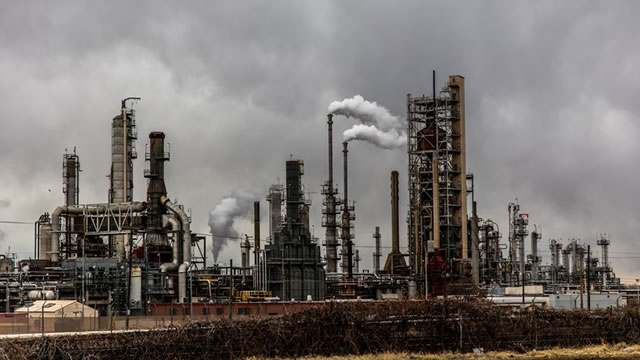
Oil News: Crude Oil Futures Break 50-Day MA as Supply Fears Build
Light crude oil futures break above 50-day MA at $59.67. Fed rate cuts and supply risks fuel rally, but can buyers hold the line?

How the oil industry's climate-change solution is surviving Trump's attack on green energy
The carbon-capture story reveals the nation's shifting priorities and inconsistent approach to clean-energy and climate change.

Oil prices hold steady due to stalled Ukraine peace talks and supply outlook
The market is also assessing the impact of a possible U.S. Fed rate cut and tensions with Venezuela, both of which could boost oil prices, analysts said.

Crude Oil Price Outlook – Crude Continues to See Resistance in Channel
Crude oil continued to struggle on Friday as both WTI and Brent faced pressure from downtrend lines, the 50-day EMA, and major resistance near $60. Supply remains ample, demand soft, and short-term rallies still appear vulnerable to selling.

Natural Gas and Oil Forecast: Rising Channels and Geopolitical Tensions Shape Prices
Geopolitical tensions and supply risks push oil higher while Natural Gas holds a rising channel. Key resistance tests signal major moves ahead.


