





Inside Adnoc's UAE-built Umm Lulu oil megaproject
CNBC gets exclusive access to Adnoc's Umm Lulu platform, an engineering feat built in the United Arab Emirates under the "Make it in the Emirates" initiative. The offshore facility can process up to 135,000 barrels a day, supporting Abu Dhabi's push to localize industry and boost output.
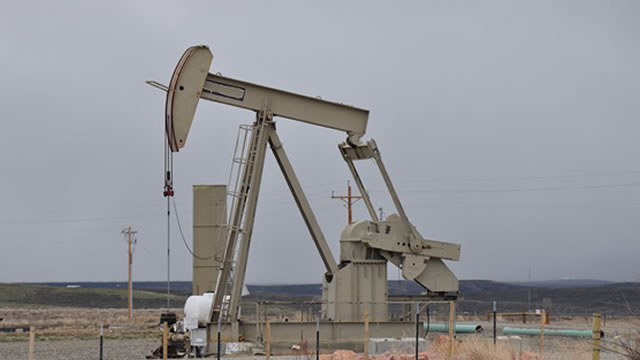
Oil prices rise on report that Israel may attack Iran's nuclear sites
Crude oil prices rose Tuesday night, following a report that Israel is gearing up for a possible strike against Iran's nuclear facilities.

Oil Rises on Fading Optimism Over U.S.-Iran Nuclear Talks
Oil gained in the early Asian session on fading optimism over U.S.-Iran negotiations regarding the latter's nuclear program.
Exclusive: Kazakhstan's oil output rises 2% in May in defiance of OPEC+
Kazakhstan's oil production has risen by 2% in May, an industry source said on Tuesday, an increase that defies pressure from OPEC+ on the Central Asian country to reduce its output.
Crude Oil Price Outlook – Crude Oil Continues to Build a Base on Tuesday
The crude oil market continues to see a lot of sideways action, as we are trying to find some kind of base so that we can ultimately recover. At this point, we still have a lot of work to do.
Natural Gas and Oil Forecast: Moody's Downgrade and China Data Cloud Price Outlook
Geopolitical risks and weak China data weigh on oil prices as traders eye a potential 0.3% decline in 2025 demand and fallout from Moody's U.S. downgrade.
Pressure on Iran echoes into Oil Markets: Crystol Energy
Carol Nakhle, CEO of Crystol Energy discusses her key takeaways from U.S. President Trump's visit to the Gulf. She also weighs in on the UAE's "Make it in the Emirates" campaign, calling it a significant move toward economic diversification and regional supply chain resilience.
Oil News: Crude Futures Drop as U.S. Downgrade and China Data Hit Demand
Crude oil falls as China's demand slows and the U.S. credit outlook weakens. Key support at $59.13 may be tested if bearish pressure persists.
CNBC live from Adnoc offshore oil platform Umm Lulu
The Umm Lulu field is one of the Gulf region's most important energy projects. CNBC's Dan Murphy reports.
Oil Edges Higher, Supported by Supply Disruption Worries
Oil edged higher, supported by prospects of supply disruptions.
Oil News: Will Rising Inventories and Surplus Forecasts Drag Prices Lower Next Week?
Crude oil ends higher this week, but rising OPEC+ output and Iran deal risks point to a bearish oil outlook with demand signals remaining weak.
Babin: In the best-case scenario, we're looking at oil demand growth of 1 million bpd this year
Rebecca Babin of CIBC Private Wealth discusses the implications of a potential Iran nuclear deal on energy prices, and how much extra crude would be added to global supply.




