



The world is facing its largest oil shock ever. Here is why prices are not higher.
Oil prices aren't yet near the level economists had said would put the global economy in jeopardy of a recession.

Oil prices just hit $100 a barrel again. Here's what that could mean for consumers
Brent crude oil prices hit $100 a barrel on Thursday for the first time since May, after reports that Yemen's Iran-backed Houthis struck two Saudi oil tankers in the Red Sea. The attacks compromised a critical alternative route used by vessels bypassing the blockaded Strait of Hormuz, according to CNN.

Oil Tops $100 First Time Since May: ETFs to Top & Flop
Brent crude topped $100 for the first time since May as Middle East tensions escalated. Here's which ETFs could benefit and which may come under pressure.
Oil Prices Fall Below $100 but U.S., Iran Tensions Mount
Oil prices fell back below $100 a barrel on Friday from their highest level since early May, but continued tensions between the US and Iran promise that the energy markets will remain elevated.
U.S. Futures Stabilize as Oil Falls Below $100
The absence of fresh overnight escalations between the U.S. and Iran halted the global oil benchmark's upward march, as investors hope leaders seek an off-ramp.
Stagflation talk returns to rattle markets as oil rebounds to $100
Renewed hostilities in the Gulf have revived stagflation talk, dimming hopes the interim deal between the U.S. and Iran had come in time for the world economy to avoid elevated inflation alongside stagnant economic growth.

Oil Futures Edge Lower on Likely Technical Correction
Oil futures edged lower on likely technical correction after Brent futures settled above $100 per barrel overnight for the first time in two months.

Oil Prices Top $100 On Cargo Squeeze From The Middle East
Oil prices hit their highest levels since May topping $100 per barrel on Thursday as heightened tensions in the Middle East continue to squeeze exports.

U.S. Stocks Slide as Oil Hits $100, While Tech Selloff Deepens
U.S. stocks fell sharply as global oil prices topped $100 a barrel for the first time in two months and earnings from Alphabet and Tesla rekindled AI spending fears.

Conflict in the Strait of Hormuz has oil producers looking to spend billions to bypass it
Before the war in Iran, roughly 15 million barrels of Persian Gulf oil were shipped each day through the Strait of Hormuz. Within a few years, much of that oil could bypass the strait.As Iran's chokehold over the strait drags on and oil prices surge, countries across the Gulf are planning to spend billions of dollars to build pipelines enabling them to redirect more supplies to ports along the Red Sea and the Gulf of Oman.At least seven major pipeline projects are under construction, in the planning stage or being discussed as possibilities, according to government officials, oil companies and analysts.

Hormuz Tensions Deepen: Energy ETFs in Focus
Oil surges on Hormuz tensions. Check out these U.S. energy ETFs that could benefit from the latest crude rally.
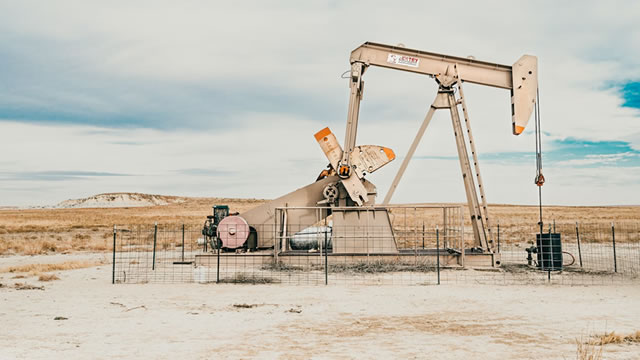
$100 Oil Is Back, Raising The Specter Of $5 Gasoline Prices To Come
Back on March 24, a little over three weeks into an Iran Conflict which President Donald Trump initially estimated would last for “2 to 4 weeks,” I wrote here that drivers should expect gasoline prices at the pump to be higher for longer than the White House was then projecting. That piece was in part based on a report from Enverus presciently titled “The Return of $100 Oil,” and partly on my own assessment of the forces then in play in global oil markets.


