






Here's where the smart money believes oil prices could wreak havoc on the stock market
A few words of caution before you start buying stocks.

Oil Rises Amid Escalating Supply-Disruption Concerns
Oil rose in early trade amid escalating concerns over supply disruptions in the Middle East.
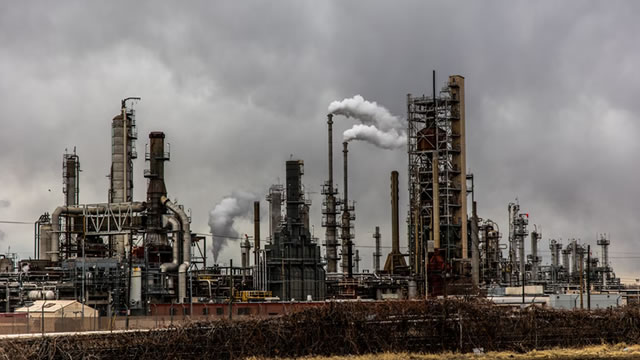
Crude Oil Price Forecast: Can Bulls Push Above Key Resistance?
WTI crude oil is testing key resistance after a strong recovery, with a breakout potentially opening the path toward higher Fibonacci targets.

Oil prices rise for 4th day as US strikes on Iran raise fears of wider conflict
Oil prices rose for a fourth straight day on Thursday after a new wave of U.S. strikes on Iranian military installations fuelled fears of renewed full-scale conflict and supply disruptions in the Strait of Hormuz.

Oil Rises Amid Prospects of Escalating Mideast Conflict
Oil rose in the early Asian trade amid prospects of an escalating Middle East conflict.
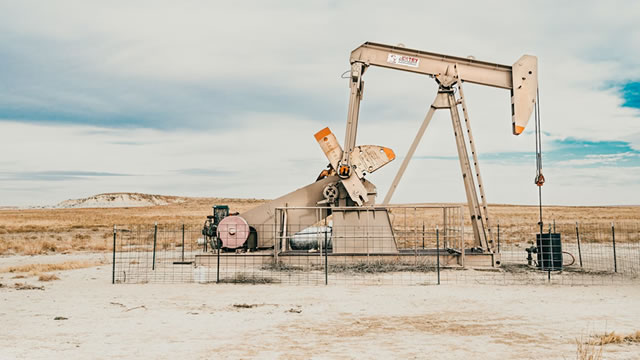
U.S. Crude Oil Stockpiles Post Weekly Withdrawal
Commercial crude oil stocks fell by 1.7 million barrels last week. Analysts expected crude stocks to decline by 900,000 barrels.

Oil rises after US-Iran hostilities flare again with strikes on energy targets
Oil rose on Wednesday as President Donald Trump reimposed a naval blockade on all Iranian ports and Iran launched retaliatory strikes on U.S. infrastructure in the region.

US drivers may soon see pump prices climb back up to $4
Americans could soon see gasoline prices top $4 a gallon again as renewed hostilities between the U.S. and Iran have pushed energy prices higher by paralyzing traffic through the Strait of Hormuz, a critical route for global oil supplies.
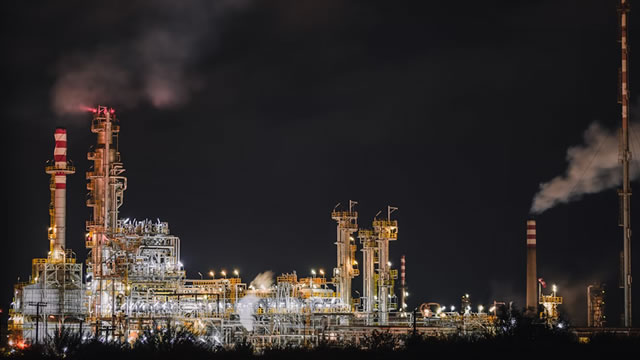
Oil Prices Jump Again as Strait of Hormuz Fears Ramp Up
Brent crude futures have jumped 15% already this week as tensions between the U.S. and Iran have escalated.
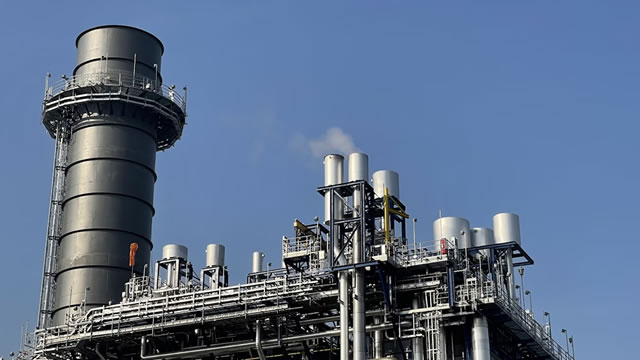
Oil Back Above $85 a barrel, U.S. Stock Futures Mixed
Brent crude oil rose back above $85 a barrel for the first time in a month in early European trade following the third straight night of U.S. attacks on Iran, and its renewed blockade on Iranian trade.
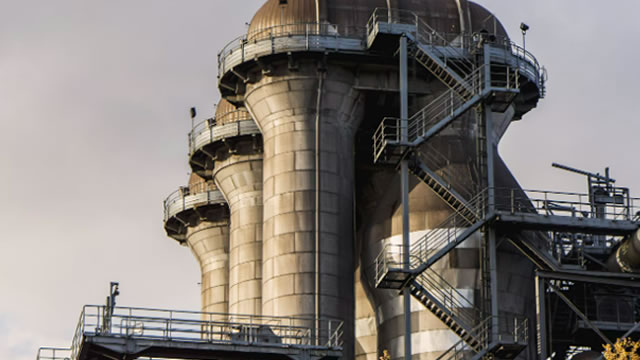
Trump's Hormuz toll plans bring oil supply risks back in spotlight
President Donald Trump has proposed to impose a 20% fee on cargo passing through the Strait of Hormuz. Lipow Oil Associates estimates that Trump's proposed fee would effectively add about $16 a barrel to oil shipped through the strait.
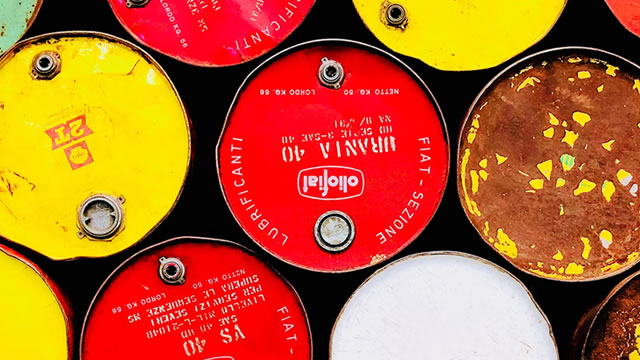
Oil Rises Amid Escalating Mideast Conflict
Oil rose amid the escalating Middle East conflict. The U.S. launched its third straight night of strikes on Iran following President Trump's announcements of a multiday wave of attacks and a fresh blockade on Iranian trade in the Strait of Hormuz.




