






Natural Gas and Oil Forecast: Is a Bullish Rebound Possible Despite OPEC+ Output Increase?
OPEC+ output hike and tepid demand growth pose challenges for natural gas and oil prices. Read on for the latest market analysis and outlook.

Oil steady as prospect of more supply offsets Middle East conflict worries
Oil prices were steady on Tuesday as the prospect of additional supply entering the market amid lacklustre global demand growth offset concerns that the escalating Middle East conflict could disrupt exports in the key producing region.
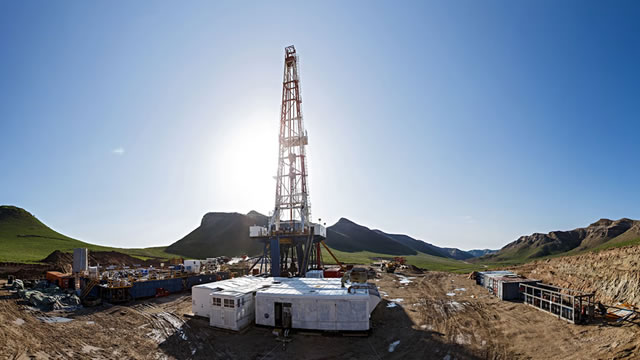
Oil Consolidates Amid Rising Middle East Tensions
Oil prices consolidated in early Asian trade amid rising Middle East tensions.

Russia says OPEC+ ceding oil market share for long-term stability
OPEC+ is strategically reducing oil supply and ceding market share with a long-term view so that the producing countries secure enough investments, while oil prices suit both producers and consumers, Russian Deputy Prime Minister Alexander Novak said.
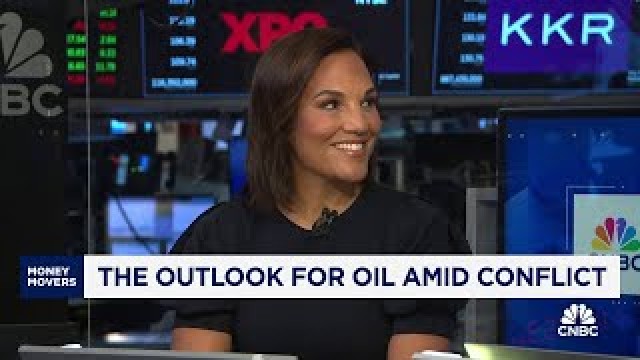
Oil market more focused on Chinese demand than Middle East tensions, says RBC's Helima Croft
Helima Croft, RBC Capital Markets head of global commodity strategy, joins 'Money Movers' to discuss how stable oil supply currently is, demand for oil in China, and what Iran will do with conflict in the Middle East.
Crude Oil Price Forecast – Crude Oil Continues to See Support
The crude oil markets have pulled back slightly in the early hours on Monday, but quite frankly this is a scenario where we continue to see plenty of buyers underneath, I think that will be the main story here.

U.S. crude oil on pace for third monthly loss in a row in September
Oil prices remain under pressure because OPEC+ plans to begin increasing production in December and as demand in China, the world's largest crude importer, remains soft. Prices are even finding little support from red hot tensions in the Middle East.
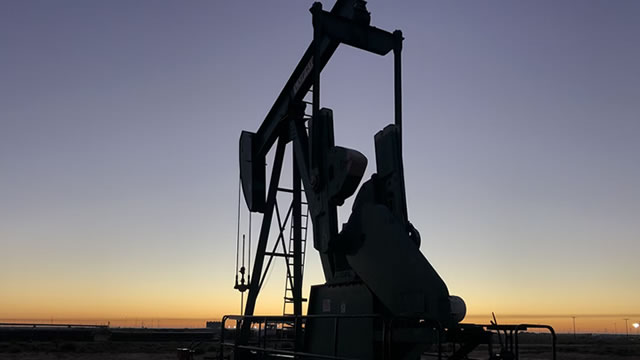
Oil prices slip as traders shake off prospect of wider Middle East conflict
Oil traders were shrugging off the risk of a wider Middle Eastern conflict that could threaten crude supplies.

Oil forecasts cut for 5th straight month on demand, OPEC uncertainty
Analysts have cut their 2024 oil price forecasts for a fifth consecutive month, citing weaker demand and uncertainty over OPEC's plans, with prices expected to remain under pressure despite geopolitical risks, a Reuters poll found on Monday.

Oil News: Middle East Tensions Drive Prices Higher as Demand Fears Persist
Oil prices climb on Middle East conflict, but weak China demand continues to weigh on the crude oil outlook as traders eye key technical levels and OPEC production.

Oil markets not pricing in an 'all-out war' after Israel kills Hezbollah leader, but risks persist
Oil prices didn't react sharply after Hezbollah confirmed that its leader was killed on Friday in an Israeli airstrike in the Lebanese capital of Beirut. Global benchmark Brent added 1.56% to $73.10 a barrel, while U.S. West Texas Intermediate futures traded 1.09% higher at $68.19 per barrel.

Natural Gas and Oil Forecast: Can OPEC+ Cuts and Geopolitical Risks Boost Prices?
Rising geopolitical tensions and OPEC+ supply cuts could push prices higher. Are these the catalysts for a bullish trend?




