





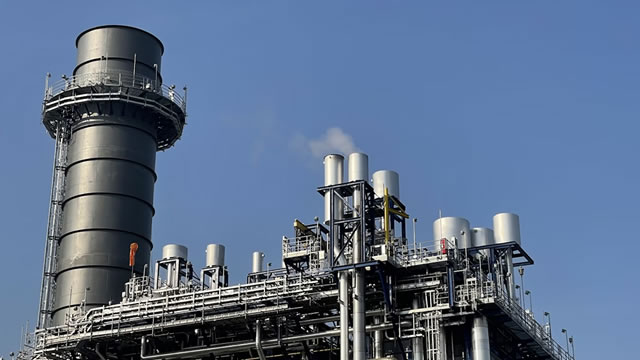
Oil prices slump after report Saudi Arabia to scrap price target, boost output
Oil futures fell Thursday morning, feeling pressure after the Financial Times reported that Saudi Arabia was ready to abandon its $100-a-barrel price target as it prepares to increase production in a bid to take back market share.
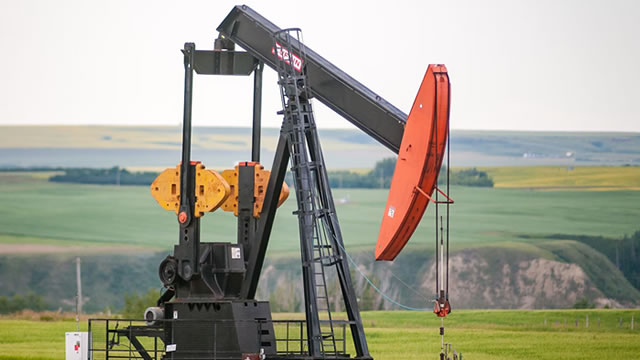
Oil prices little changed as US stockpile drop offsets global demand woes
Oil prices were little changed on Thursday after falling in the previous session as signs of higher fuel demand and falling stockpiles in the U.S., the world's biggest oil user, offset concerns over demand elsewhere, particularly in China.

Crude Inventories Decline By 4.5 Million Barrels
Gasoline inventories decreased by 1.5 million barrels, missing analyst expectations.

Crude Oil Price Forecast – Crude Oil Plunges in The Early Hours of Wednesday
The crude oil market has fallen hard in the early hours of Wednesday, as the market continues to wait for the latest inventory numbers in the US, and of course we are looking at the anemic consumer confidence numbers in America suggesting that perhaps the demand might drop a bit.

Oil prices pull back as optimism over China stimulus plan fades
Oil futures traded modestly lower early Wednesday, pulling back from strong gains seen the previous session amid a broad commodity rally sparked by China's announcement of an aggressive monetary stimulus plan.

Oil News: Crude Prices Slip as China Demand Worries Overshadow U.S. Stockpile Draw
Crude futures edge lower as China's stimulus fails to boost demand expectations. U.S. stockpile draws offer support, but traders brace for potential oil price corrections.

Natural Gas and Oil Forecast: China's Stimulus and Middle East Tensions Tighten Supply
Rising geopolitical tensions and China's economic stimulus create supply concerns, driving potential price increases in energy markets.

Oil prices steady as China stimulus hopes fade, U.S. crude stockpiles fall
Oil prices steadied on Wednesday after rising in the previous session on fading excitement for the economic stimulus in China, the world's biggest crude importer, though an industry report showing falling U.S. crude and fuel inventories supported the market.

Crude Oil Price Forecast: Rally Nears Key Levels Amid Bearish Triangle Breakdown
Crude oil encountered resistance after a strong rally. Short-term momentum points to minor upside potential, but the longer-term outlook remains bearish due to a triangle breakdown.
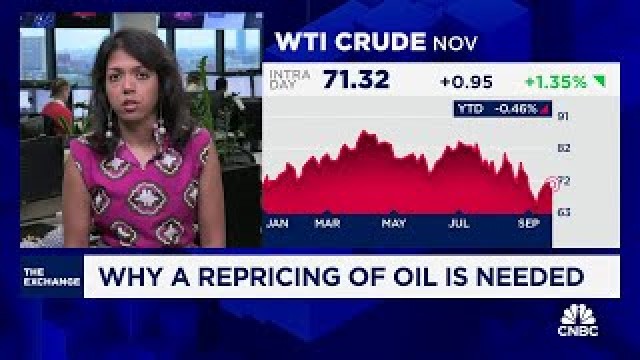
Why a repricing of oil is needed
Amrita Sen, Energy Aspects director of research, joins ‘The Exchange' to discuss oil pricing, energy market futures, and more.
Peak Oil Demand Isn't on the Horizon, OPEC Says
The cartel said oil demand is forecast to reach 120.1 million barrels a day in 2050 from 102.2 million barrels a day last year.

OPEC rolls out global oil outlook to 2050, sees no peak demand
OPEC raised its forecasts for world oil demand for the medium and long term in an annual outlook, citing growth led by India, Africa and the Middle East and a slower shift to electric vehicles and cleaner fuels.




