





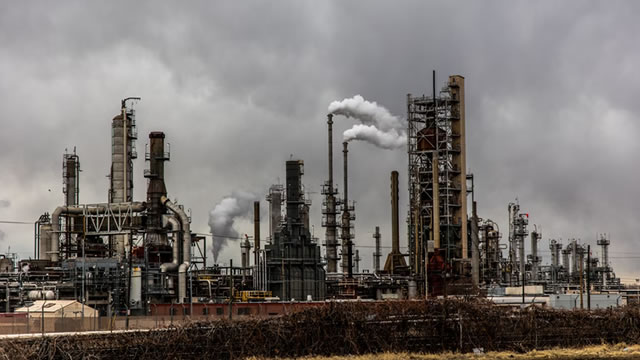
Crude Oil Prices Fall to Lowest Level of 2024 as OPEC Cuts Demand Outlook
Crude oil futures slipped roughly 4% in trading Tuesday after OPEC—a dominant coalition of oil-producing nations—cut back on its demand outlook and growth projections for this year and the next.

Crude Oil Price Forecast: Tests Support Zone After 16% Decline
Crude oil's sharp 16% drop reached new lows today, testing a Fibonacci support zone. Traders now watch for signs of a potential short-term counter-trend rally.
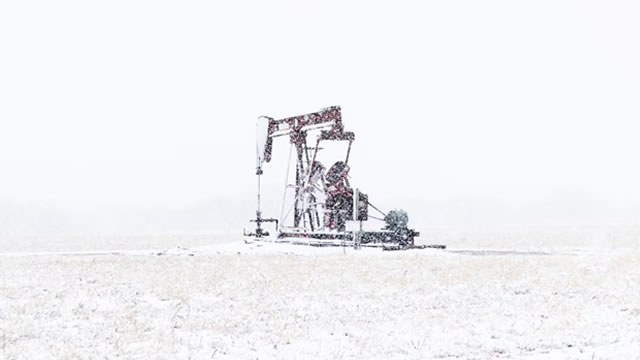
These maps show the oil and gas infrastructure in Francine's path
Oil took a hit on Tuesday, with U.S. and global benchmark prices dropping to their lowest levels in more than two and half years as demand worries took center stage, but global supplies may soon take the spotlight as a potential hurricane churns in the Gulf of Mexico.

Falling oil prices and China concerns add fuel to market fears of a U.S. recession
Concerns about China's economy have dulled the outlook for energy demand — contributing to a drop in U.S. and global oil prices to their lowest levels in over two years on Tuesday, while exacerbating U.S. recession fears in some parts of the financial market.

OPEC Report Pushes Oil Prices To New Lows
OPEC lowered global oil demand growth forecasts for 2024 and 2025.

Crude Oil Price Forecast – Crude Oil Looking For a Bottom
The crude oil market is in trouble, serious trouble. At this point in time, it is desperately hanging onto the last vestiges of support, trying to bounce.
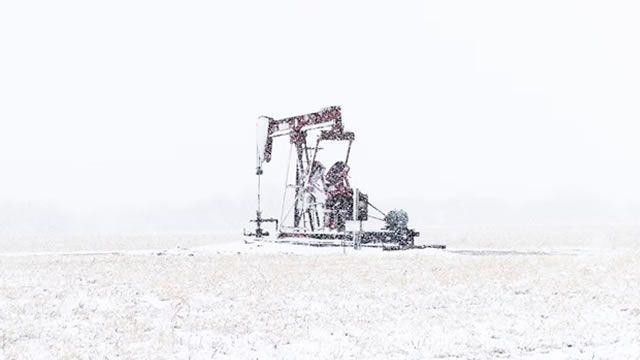
Oil Market Faces Long-Term Pressure As China Pushes for Clean Energy Solutions
The oil market faces long-term pressure as global clean energy initiatives continue to escalate.

U.S. crude oil sheds gains, falls more than 1% to trade below $68 per barrel as OPEC cuts forecast
OPEC cut its demand growth forecast for the second time in as many months. Softening demand expectations in China are weighing on the oil market.
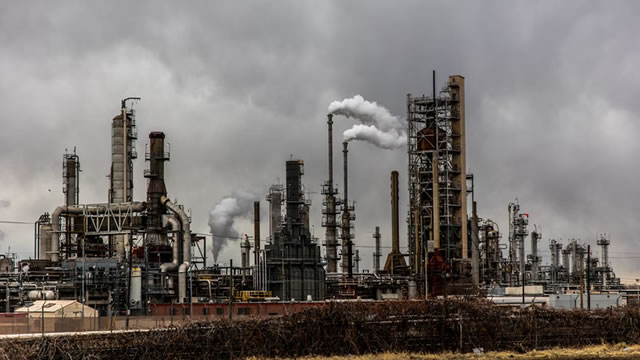
OPEC again lowers 2024, 2025 global oil demand growth view
OPEC on Tuesday cut its forecast for global oil demand growth in 2024 reflecting data received so far this year and also trimmed its expectation for next year, marking the producer group's second consecutive downward revision.
Oil futures give back chunk of Monday bounce after disappointing China data
Oil futures fell Tuesday, with concerns about demand from China back in focus after another round of lackluster economic data.
Oil News: Crude Prices Fall as Weak Chinese Demand Pressures Market Outlook
Oil prices drop as weak Chinese demand offsets U.S. supply disruptions. Traders eye OPEC's report and U.S. forecasts for signs of a market reversal.

Natural Gas and Oil Forecast: Will OPEC+ Delays and Gulf Storm Boost Prices?
Oil and gas prices face pressure as OPEC+ postpones production increases, while China's demand slowdown drives bearish market sentiment.




