



United States Brent Oil Fund, LP (BNO)
 ARCA ARCA Primary


Oil prices steady after two days of gains as market waits for expected Iran strike against Israel
West Texas Intermediate has bounced back after crude inventories fell for the sixth week in a row. The oil market is now waiting to see whether Iran will follow through on its threat to strike Israel.

Oil prices edge lower after back-to-back gains
Oil futures were off slightly early Thursday, consolidating after back-to-back gains as investors kept an eye on Middle East tensions and monitored developments in global financial markets as August gets off to a tumultuous start.

Oil News: Geopolitical Risks, Inventory Drop Impacting Oil Outlook
Light crude oil prices hold steady to lower after gains, with Middle East tensions and falling U.S. crude inventories influencing the market.

Oil Market Approaches Critical Level Amid Geopolitical Tensions
Brent crude oil has approached a critical level and is poised for a rebound or a breakout.

Oil prices tick up on sharp fall in US crude inventories
Oil prices edged higher on Thursday for the third straight session after government data showed a steep draw in U.S. crude stockpiles, rebounding from multi-month lows touched this week.

Tough Time Ahead for Oil ETFs?
Oil futures may seesaw in the coming days thanks to recession fears in the United States despite the ongoing tensions in the Middle East, a key oil-producing region.

Crude Oil Price Forecast – Crude Oil Continues to Build a Basing Pattern
The oil markets have been very noisy over the past few sessions, but at this point in time, it is likely that we will continue to see even more volatility, as the global growth situation is still very unsure to say the least.
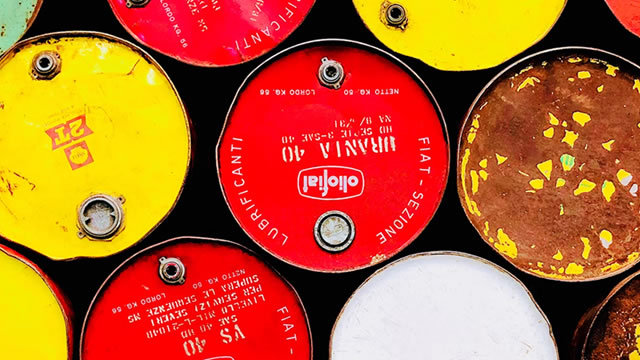
Crude Inventories Drop By 3.7 Million Barrels
Gasoline inventories increased by 1.3 million barrels, exceeding analyst expectations.
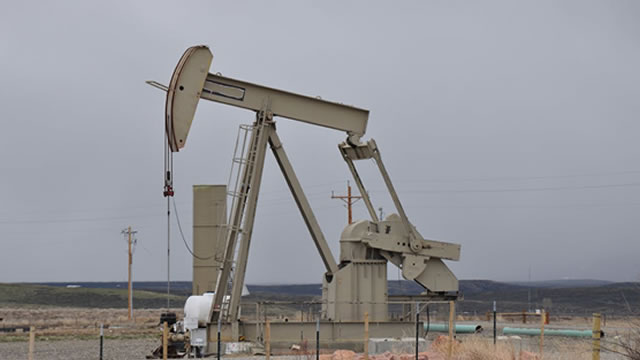
US crude stocks fall, gasoline and distillate inventories rise, EIA says
U.S. crude stocks fell while gasoline and distillate inventories rose in the week ending August 2, the Energy Information Administration said on Wednesday.

U.S. crude oil rises more than 2% after stock market snaps losing streak
U.S. crude oil has risen to nearly $75 per barrel, after following equity markets lower earlier in the week on recession fears. Middle East tensions and ongoing OPEC+ production cuts are providing a floor for prices.

Oil prices lifted as stocks extend bounce and traders eye Middle East tensions
Oil futures rose Wednesday, finding support as stock markets continued their recovery from a global rout that had served to pull down commodity prices.

Oil News: Geopolitical Tensions and Inventory Data Impact Oil Demand
Oil prices consolidate amid rising geopolitical tensions and surprising U.S. inventory data. Learn how these factors impact the crude oil market.




