





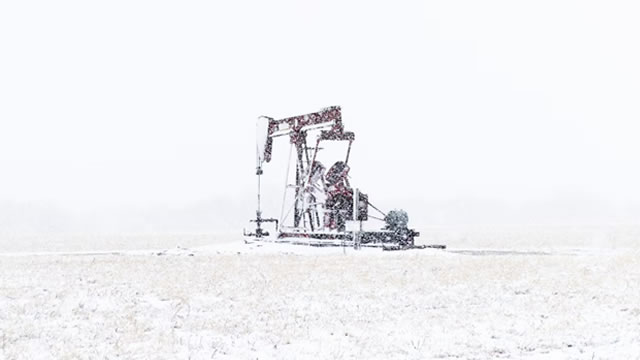
Canada, Alberta announce new west coast oil pipeline to boost exports
Canada announced plans to build a new oil pipeline from Alberta to the Pacific coast, which would give the world's fourth-largest oil producer greater capacity to export to Asia and ease its reliance on the United States.

Oil up slightly ahead of long US weekend as peace efforts hold
Oil prices rose slightly on Friday before a long holiday weekend in the U.S. as wary optimism held over efforts to make peace in the Middle East between the United States and Iran.
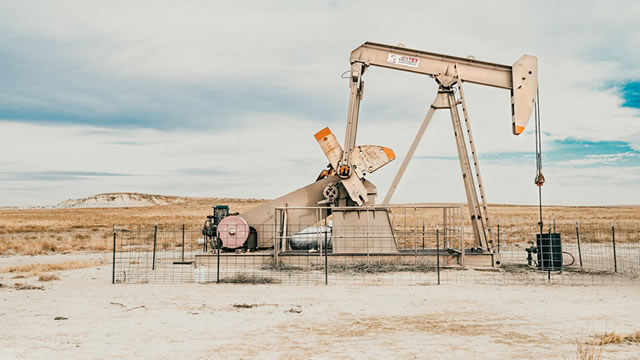
Oil Falls as Supply-Disruption Concerns Continue to Ease
Oil fell in early trade as concerns over supply disruptions in the Middle East continue to ease.

Russia's western oil exports hit record in June due to refinery outages, sources say
Oil shipments from Russia's western ports hit a record high in June and are expected to maintain that level in July as ongoing drone attacks on domestic refineries force Moscow to boost crude exports, three trade and industry sources said on Thursday.
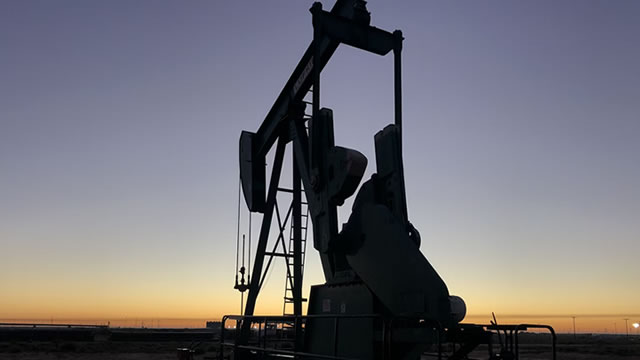
Oil Falls as Supply Increases Amid Easing Mideast Tensions
Oil fell in early Asian trade on more signs of increased supply amid easing Middle East tensions.
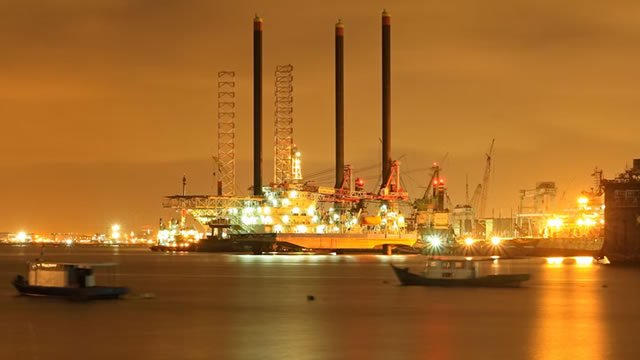
Oil Futures Rise on Possible Technical Recovery
Oil futures rose in early Asian trade on a possible technical recovery after the futures posted their sharpest quarterly drop since 2020 on Tuesday.

Oil is set for the largest quarterly price drop in 6 years as historic supply crunch eases
Workarounds for the Strait of Hormuz chokepoint and a drop in crude imports to China helped ease the impact of lost Persian Gulf oil.
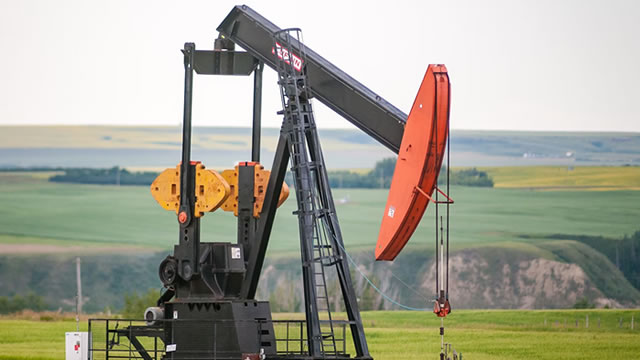
Crude Oil Price Analysis – Crude Oil Continues to See Support on Tuesday
The crude oil markets continue to see a bit of support testing on Tuesday.
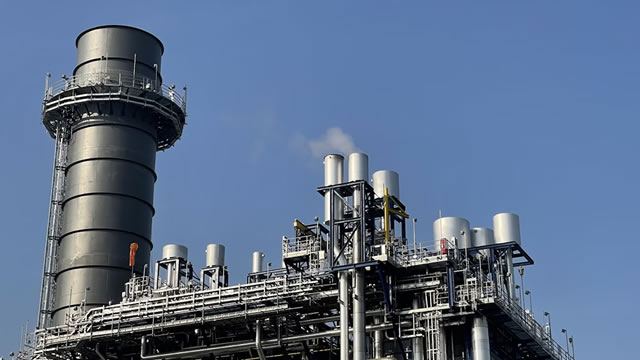
Natural Gas and Oil Forecast: Oil Markets Stabilize on Strong US Production and Refinery Demand — NatGas Channel Holds?
WTI held at $70.09 defending key support, Brent stayed at $73.37, and Natural Gas traded at $3.167 inside an ascending channel. Technical setups and trade ideas inside.

Surprisingly quick oil price retreat eases urgency for ECB to act, sources say
The unexpectedly rapid retreat in energy prices in the past week has further taken pressure off European Central Bank policymakers to lift interest rates next month but the case for a small hike later on remains firm, four sources told Reuters.
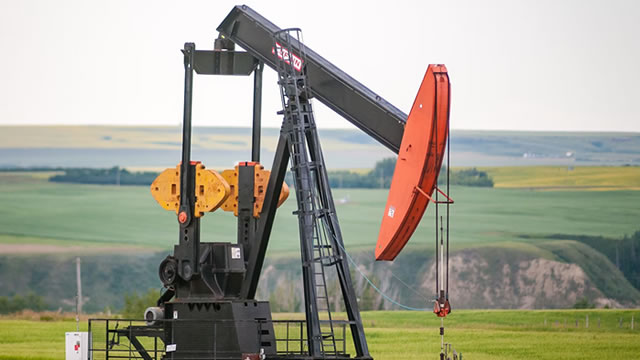
Oil falls as investors focus on potential Iran-US talks in Doha
Oil prices dropped on Tuesday, with investors eyeing the outcome of potential U.S.-Iran talks in Doha amid weekend missile fire from both sides that tested an interim ceasefire to end the four-month-old war.

Why Wall Street Thinks Cheap Oil Is Here to Stay
JPMorgan, Citi and other analysts are cutting long-term oil price forecasts as weaker demand outweighs lingering geopolitical risks in the Middle East.




