



United States Brent Oil Fund, LP (BNO)
 ARCA ARCA Primary




Oil supply growth set to taper in 2024, Rystad Energy says
Global oil supply growth will likely slow down this year, Rystad Energy said in a report on Monday, with a high possibility of a further decrease in 2025.

Oil prices rise after booking best week since April as traders sift through China economic data
Oil prices are moving higher after snapping a three week losing streak. Traders are sifting through what mixed economic data out of China may mean for demand.

Oil prices hold ground after slowdown in China crude demand
Oil futures edged higher early Monday, holding their ground after an initial dip following data that showed a fall in China crude demand in May.

Crude Oil News Today: Steady Despite Mixed Chinese Data
The anticipated increase in demand from the summer driving season and potential inventory drawdowns support a positive trend for crude oil prices.

Natural Gas and Oil Forecast: Oil Supported, Bullish Bounce Ahead?
Despite mixed signals and a dip on Friday, oil prices ended the week higher, sparking hopes of a bullish reversal.

Oil prices inch down on weaker US consumer demand ahead of China data
Oil prices slipped in early Asian trading on Monday after a survey on Friday showed weaker U.S. consumer demand and as traders awaited the release of key economic data from China, the world's biggest crude importer.

Oil Prices Forecast: Will Demand Surge Continue to Drive Gains?
The overall market sentiment remains cautiously bullish, with strong demand projections and constrained supply likely to support crude oil prices.

Crude Oil Weekly Price Forecast – Crude Oil Continues to Consolidate Longer-term
The crude oil market has had a strong week, as the markets have been continuing to see a lot of sideways action over the longer term, or at least for the last 18 months. The markets will continue to be interested in geopolitics, wars, and global growth – or lack of.
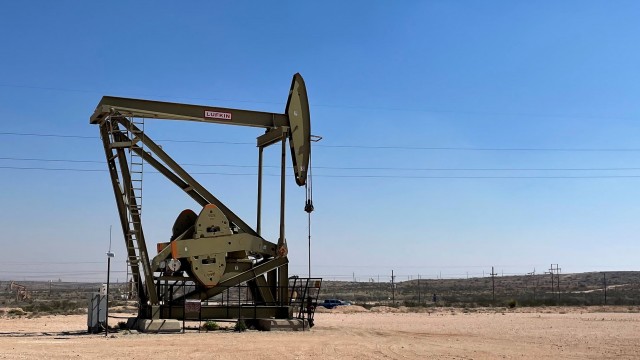
Oil prices on pace for best week in more than two months as forecasts point to tighter market
Oil prices are up more than 4.5% for the week, the strongest gains since early April. Oil remains well below annual highs set in April but has regained ground after a sell-off last week pushed prices to four-month lows.
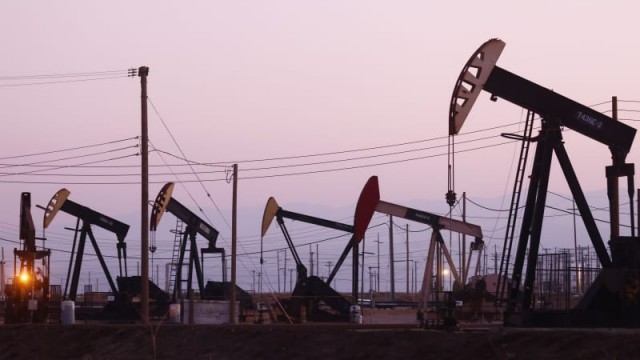
Oil prices on track for weekly gains, rebounding from post-OPEC+-decision slide
Oil futures were little changed early Friday, remaining on track for solid weekly gains that have more than erased the tumble seen after OPEC+ on June 2 announced a plan to begin phasing in the return of around 2.2 million barrels a day of crude later this year.

Crude Oil News Today: Poised for Strongest Weekly Gains Since April
Demand projections are strong, but market conditions suggest caution as crude oil traders await clearer signs of increased fuel consumption.

Oil prices on track for weekly gain on solid demand outlook
Oil prices fell on Friday but were on track for their first weekly gain in four weeks as markets assessed the impact of higher-for-longer U.S. interest rates versus solid outlooks for crude and fuel demand this year.




