



United States Brent Oil Fund, LP (BNO)
 ARCA ARCA Primary



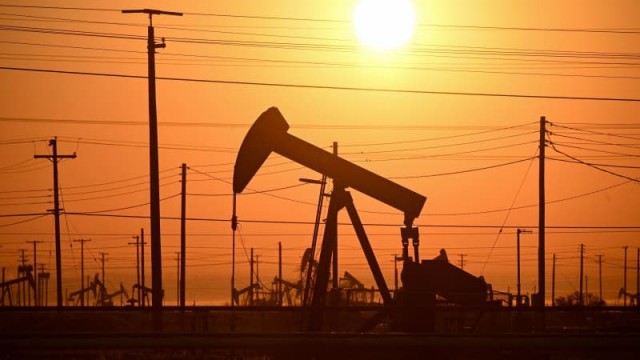
Oil prices extend slump triggered by OPEC+ move to phase out some production cuts
Oil futures fell Tuesday, extending a slide that took crude to its lowest close in four months in the previous session triggered in part by OPEC+'s decision to begin unwinding some production cuts later this year.

Why U.S. oil production isn't a huge threat to OPEC+ market share anymore
Assuming domestic oil production has reached its limit for now, the U.S. could pose less of a threat to OPEC+ market share moving forward.

Oil prices extend losses on worries of supply rising later in 2024
Oil prices eased in early trade on Tuesday, extending their losses from the previous session when prices fell to their lowest in four months, as investors worried about supply ticking up later in the year.

Will OPEC+ Output Cuts At All Boost Oil ETFs Ahead?
In the latest meeting, OPEC+ agreed to extend production cuts of 3.66 million barrels per day (bpd) until the end of 2025, along with prolonging cuts of 2.2 million bpd until September 2024.
Oil prices little changed after OPEC+ extends output cuts
OPEC+ extended 3.6 million barrels per day in production cuts through the end of 2025. OPEC+ members will phase out 2.2 million bpd in voluntary cuts over 12 months starting in October.
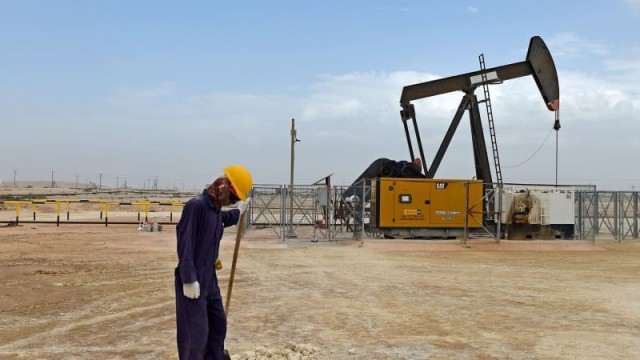
Oil prices choppy after OPEC+ plans to begin phasing out voluntary cuts in Q4
Oil futures traded lower early Monday after swinging between gains and losses as traders assessed a decision by OPEC+ to extend cuts by the group into 2025 but to begin unwinding some additional, voluntary reductions later this year.
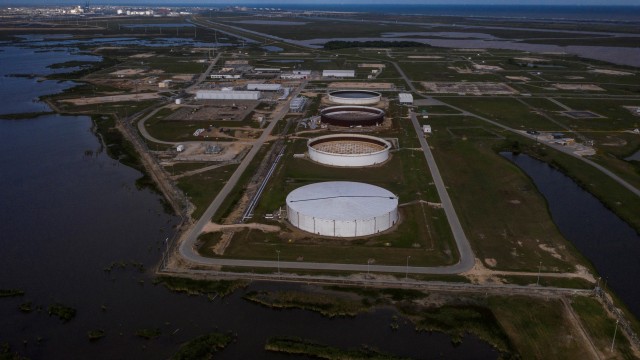
Oil prices slip despite OPEC+ production cut extension
The group agreed to extend cuts of 3.66 million barrels per day by a year until the end of 2025. It will also prolong the cuts of 2.2 million barrels per day by three months until the end of September.
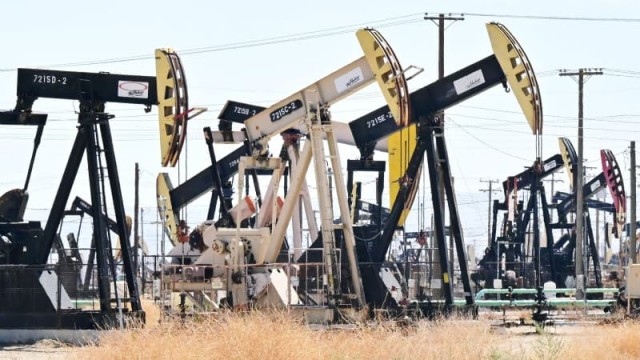
OPEC agrees to keep oil production cut, likely maintaining high prices through November election
The OPEC+ alliance has agreed to extend output cuts through next year, likely keeping prices high through the November presidential election.
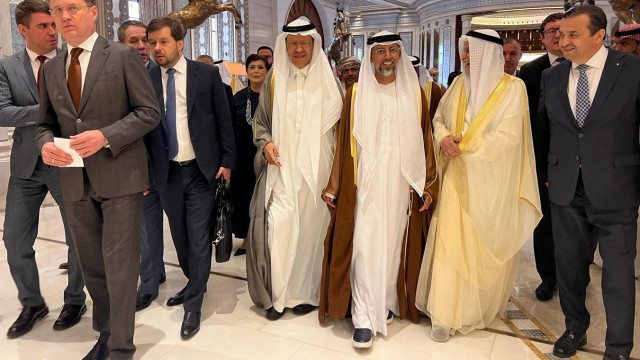
OPEC+ Extends Production Cuts Into Next Year
The OPEC+ alliance, which includes Saudi Arabia and Russia, two of the world's Top 3 oil producing countries, met in Riyadh, Saudi Arabia at the 37th OPEC and non-OPEC Ministerial Meeting. The group reaffirmed their commitment to the Declaration of Cooperation (DoC) and extended oil production levels until the end of 2025.
OPEC+ oil group awaits concrete interest rate cuts before factoring impact on demand: Saudi energy minister
OPEC+ oil group awaits concrete interest rate cuts before factoring impact on demand: Saudi energy minister
OPEC+ agrees to extend oil-production cuts in effort to boost prices
OPEC+ agreed on Sunday to extend production cuts in an effort to support oil prices in the face of worries about global demand and rising U.S. output, but will begin to phase out some voluntary reductions after the third quarter.
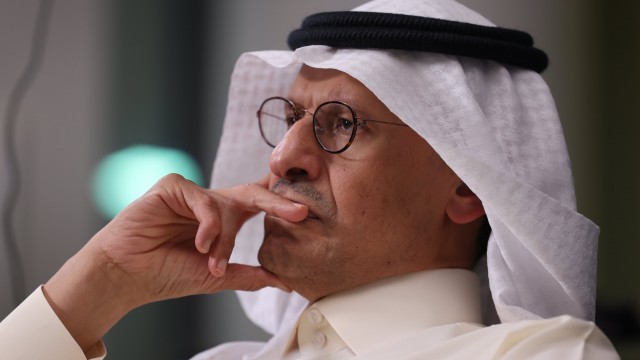
Oil alliance OPEC+ extends production agreement into 2025
The influential Organization of the Petroleum Exporting Countries and its allies, collectively known as OPEC+, on Sunday agreed to extend its official crude output agreement into 2025. The coalition will produce a combined 39.725 million barrels per day next year, according to a table published by the OPEC Secretariat.




