






US-Iran Deal Hopes: ETFs to Buy & Avoid
US-Iran deal hopes may ease oil prices, curb inflation and lift risk appetite. Here are some ETFs that could win, and those that may lag.
US CFOs in survey say firms mostly absorbed oil price shock
The U.S.-backed war against Iran touched off fears of stagflation last spring, but most company finance chiefs in a recent Federal Reserve survey said the resulting spike in energy costs prompted only small price hikes of their own and had little impact on their firm's demand.

More stranded oil tankers exit Hormuz, adding to global supply
Three stranded tankers carrying 5 million barrels of crude oil were exiting the Strait of Hormuz on Wednesday, with two heading to Asia, shipping data showed, as the interim deal between Iran and the U.S. unlocks more supply stuck in the Gulf, bringing down global prices.

Amid 2026 Energy Chaos, Oil And Gas Giants Prosper
What a frustrating time to be a giant oil and gas company. Somehow, despite President Donald Trump's war against Iran bringing about the greatest oil supply shock of all time, trapping 10% of global supply behind the Strait of Hormuz, oil prices topped out at only $111 per barrel in early April.
Natural Gas and Oil Forecast: Truce Stability vs Oil Weakness — Can NatGas Lead?
With geopolitical risk premium largely removed, oil benchmarks faced renewed selling pressure while natural gas showed resilience. WTI confirms bearish breakdown targeting $70.82, Brent tests channel floor at $76.32, and NatGas holds $3.154.
Oil extends decline as Trump accuses oil firms of 'gouging' consumers
Oil prices fell as concerns over disruptions to shipping through the Strait of Hormuz eased. Trump urged a DOJ probe into fuel prices, accusing oil companies of gouging consumers.
Trump instructs DOJ to probe oil companies over higher gasoline prices
U.S. President Donald Trump said on Wednesday that he has instructed the Department of Justice to look into oil companies for not lowering pump prices in line with falling crude costs.

Oil Falls on Signs of More Easing of Supply Disruptions in Mideast
Oil fell in early Asian trade on signs of more easing of supply disruptions in the Middle East.

Crude Oil Price Forecast: Will Key Support Hold or Break?
Crude oil is testing its 200-day moving average after a corrective low, with price action now at a key inflection point between support stabilization or deeper downside.
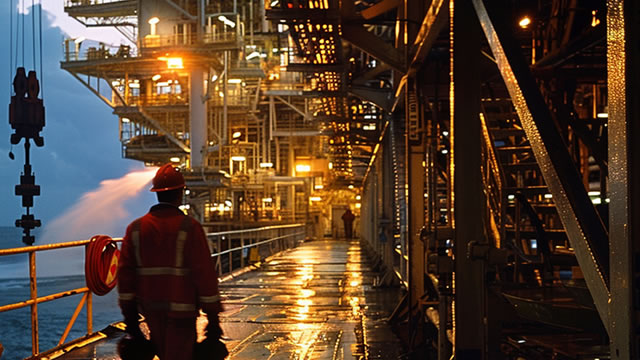
Oil tankers are being lured back into the Strait of Hormuz by big payouts
Big oil tankers are commanding $280,000 a day to head into the Persian Gulf to pick up cargoes, danger notwithstanding.
Oil tanker traffic through Strait of Hormuz hits highest level since conflict began but mines remain
Oil prices drop as tanker traffic through the Strait of Hormuz picks up amid U.S.-Iran negotiations, though mines remain in the central channel.
Oil shock nicked US GDP but resilience was the message, Dallas Fed research finds
Oil surging to more than $120 a barrel last spring cut about three-tenths of a percentage point from U.S. economic output, but the blow was a small fraction of what would have taken place from a similar oil shock in the 1980s when the country was more reliant on imports, a new Dallas Fed study estimated.




