



United States Brent Oil Fund, LP (BNO)
 ARCA ARCA Primary




Crude Oil News Today: Fed Rate Concerns, Rising US Inventories Weigh on Prices
Rising inventories, weak global demand, and the Fed's higher rates stance signal a bearish short-term outlook for crude oil prices.

Natural Gas and Oil Forecast: Energy Slips 0.25%, Inventory Build Raises Concerns
Oil prices dropped 0.25% amid an unexpected inventory build, sparking concerns over demand and high interest rates impacting the energy market.
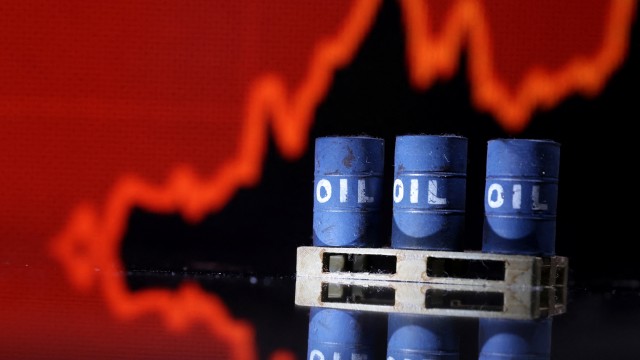
Oil slips for third session on likely 'higher for longer' US rates
Oil prices fell for a third straight session on Wednesday on expectations the Federal Reserve could keep U.S. interest rates higher for longer due to sustained inflation, potentially impacting fuel use in the world's largest oil consumer.

Crude Oil Price Forecast: Crude Oil Tests Resistance, Awaits Bullish Breakout
A decisive advance above Monday's high of $80.64 would trigger a bullish breakout for crude oil above key moving averages and a downtrend line.

Crude Oil Price Forecast – Crude Oil Continues to See Support
The crude oil market continues to see a lot of support, despite the fact that there is a ton of momentum at this point. This market continues to question whether or not there is a surge coming due to summer.

Oil prices drift lower but remain stuck in narrow range as market struggles to find catalysts
U.S. crude oil and global benchmark Brent have traded in a $3 range this month since selling off from April highs.

Brent oil market structure weakens as tightness concern eases
The structure of the benchmark Brent crude oil futures market fell on Tuesday to its weakest since February, another indication that concern about tight supply for prompt delivery is easing.

Crude oil prices drop by over 1.5% amid Federal Reserve's stance on interest rates
Crude oil prices experienced a significant drop of more than 1.5% on Tuesday as the United States Federal Reserve provided no clear indications regarding potential interest rate cuts. The uncertainty stems from recent statements by key Fed officials, reflecting differing views on the economic outlook and inflation trends.
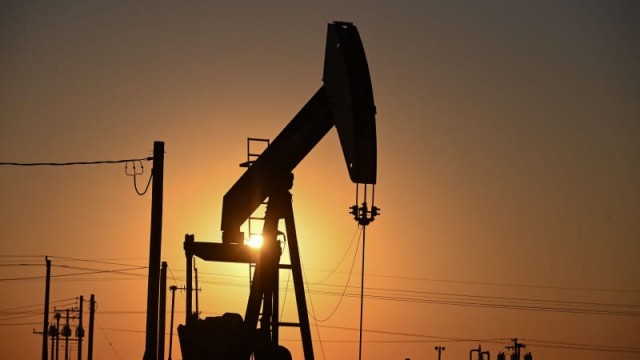
Oil prices drift lower as traders fret over Fed, look for catalysts
Oil futures were lower early Tuesday as traders worried over the outlook for crude demand as the Federal Reserve maintains higher interest rates.

TotalEnergies moves ahead on $6 billion Kaminho oil project in Angola
French oil major TotalEnergies is pressing ahead with the development of the Kaminho oil project 100 kilometers off the coast of Angola after a final investment decision on the block, it said on Tuesday.

Crude Oil News: Fed's Inflation Stance Caps Gains, Pressures Prices
Given the persistent inflation concerns and the cautious stance of the Fed, the outlook for crude oil prices remains bearish in the short term.
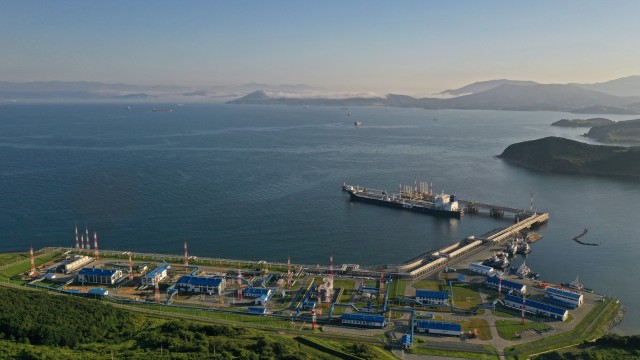
India's Russian oil imports rise to nine-month high in April
India's Russian oil imports rose a nine-month high in April after shipments on non-sanctioned tankers operated by Russia's largest shipping company Sovcomflot resumed, tanker data obtained from shipping and trade sources showed.




