






Oil flows through Hormuz will take time to recover, banks say
A recovery in oil flows through the Strait of Hormuz and oil production following the U.S.-Iran interim peace deal will take time, potentially several months, analysts at two banks said.
OPEC Sees Oil Demand Growing With No Peak In Sight
The cartel forecast demand to grow by 19 million barrels a day to around 124 million barrels a day in 2050, driven by road transportation, aviation and petrochemicals.

Why the oil may start flowing through the Strait of Hormuz faster than many believe
My direct conversations with industry executives and experts based both here and in the Middle East indicate ships will start steaming through the Strait very soon. The "Ghalibaf factor" may hold the key as to whether oil prices keep falling.
Oil Prices Fall After Trump Signs Iran Peace Deal, Strait of Hormuz to Open
Brent crude and WTI were dropping after the signing of the U.S.-Iran peace deal, with markets focusing on the prospect for a swift reopening of the Strait of Hormuz.
Hormuz reopening to release wave of oil supply, depress prices
Middle Eastern crude oil markets could come under further pressure if the Strait of Hormuz reopens on Friday following the U.S.-Iran interim deal, releasing millions of barrels of oil stranded in the Middle East Gulf into global markets, industry executives said.

IMF chief expects oil prices to ease, not plummet, after US-Iran deal
Oil prices are likely to ease, not plummet, as the U.S.-Iran interim peace deal lets shipments through the Strait of Hormuz resume and at the same time countries replenish reserves, International Monetary Fund chief Kristalina Georgieva said on Thursday.
Oil Prices Fall Amid Prospects of Fast Reopening of Strait of Hormuz
Oil prices retreated in Asia on Thursday afternoon as traders bet on a swift reopening of the Strait of Hormuz, the critical waterway through which roughly one-fifth of global oil shipments are typically transported.

Oil slips again as US, Iran sign peace deal
Oil prices fell in early trading on Thursday after the U.S. and Iran signed an interim agreement that would end the Iran war, reopen the Strait of Hormuz and waive U.S. sanctions on Tehran's oil, resolving the largest energy supply disruption in history.

Oil Falls on Prospects of Fast Reopening of Strait of Hormuz
Oil fell in early Asian trade on prospects of a fast reopening of the Strait of Hormuz.
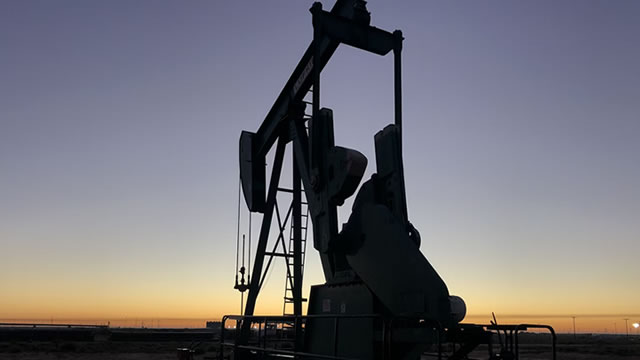
US crude inventories decline for tenth week to over 20-year low, EIA says
U.S. crude oil inventories fell for a 10th straight week last week as demand surged, pushing total stockpiles to their lowest level since 1985 as the Iran war continues to upend global energy markets, the U.S. Energy Information Administration said on Wednesday.
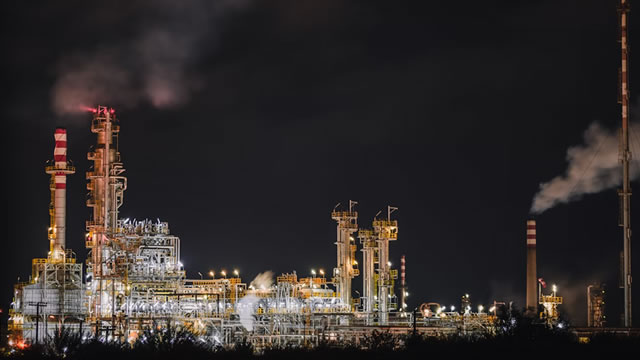
U.S. Crude Oil Stockpiles Fall More Than Expected
Commercial crude oil stocks were down by 8.3 million barrels as net imports decreased and refineries ran near full capacity.
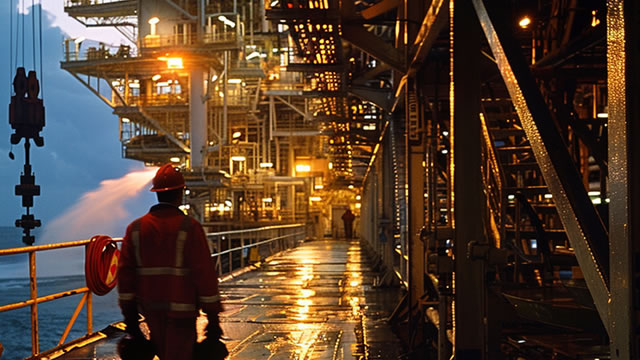
An oil bull's ‘insane' bet: Why this veteran trader is buying energy stocks as prices tumble
Former institutional trader Kevin Muir pushes against the market tide with a call to buy oil now.




