





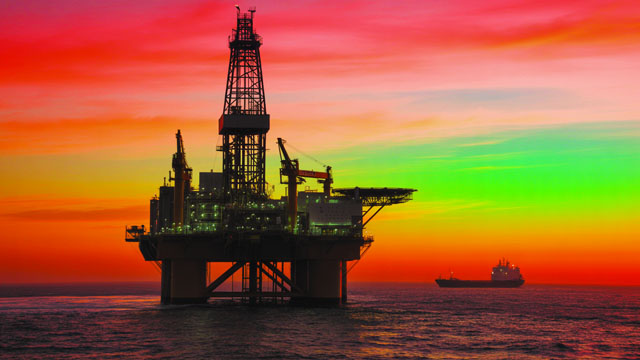
Oil Little Changed as Traders Weigh Mideast Crude Export Data
Oil was little changed. Brent remains above the psychologically-important $100-a-barrel level even though ship tracking data show a significant uptick in Middle Eastern oil exports to levels close to pre‑war levels, CBA said.
Oil prices slip as traders weigh strong Mideast exports against Gulf tensions
Oil prices edged down on Tuesday as resilient Middle Eastern crude exports and a G7 emergency stockpile release eased supply concerns, though attacks by Yemen's Houthis on Saudi targets kept traders wary of risks to Gulf supplies.
Oil Industry's Bid to Kill Climate Change Lawsuits Faces SCOTUS Skepticism
Plus, why the U.S. to abruptly pulled bombers from a U.K. base and new Trump Account rules will put individual stocks kids' portfolios.
Shippers Are Offering Sailors Up to $25,000 a Trip to Sneak Oil Out of the Gulf
More tankers are getting through the Strait of Hormuz despite Iranian threats in a burgeoning system of risky shuttle runs that cost up to $40 million.

Oil Prices Fall as G-7 Plans Crude, Diesel Release But Hormuz Shipping Risks Persist
Oil prices fell with traders weighing an emergency oil and diesel stock release, renewed attacks around the Hormuz Strait and persistent supply risks.
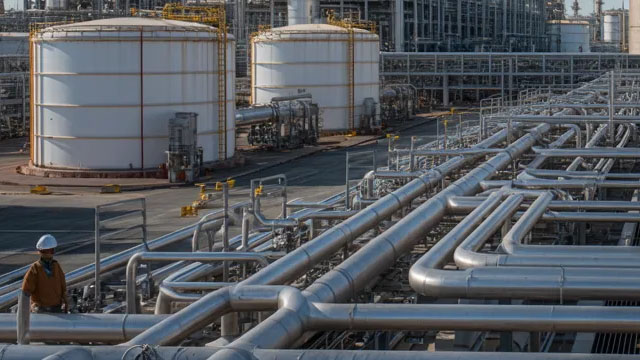
Oil Prices Mixed Amid Signs of Attacks Around Strait of Hormuz, G-7 Release Plan
Oil prices were mixed in early Asian trade amid signs of attacks around the Strait of Hormuz and the G-7 crude-oil release plan.
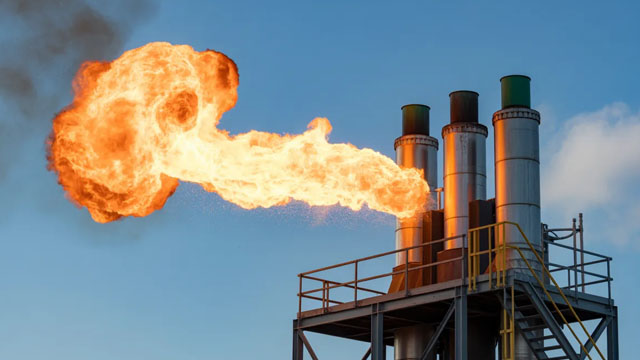
Oil Was Pouring Through the Strait of Hormuz Again. Then Attacks on Shipping Resurged.
Iran's targeting of ships has improved, according to a U.S. official, making transits through the Strait of Hormuz riskier.
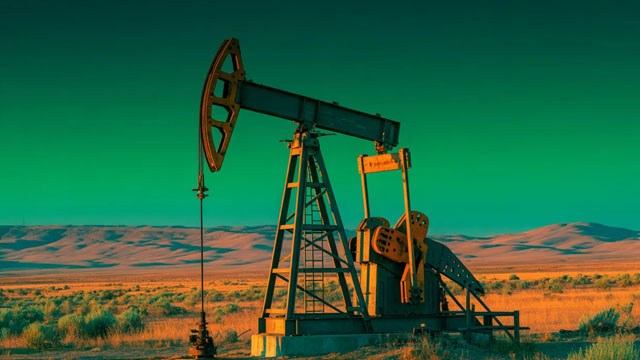
OPEC+ to keep November oil output targets steady
The move by OPEC+ was in line with expectations that further output policy adjustments are unlikely until next year.
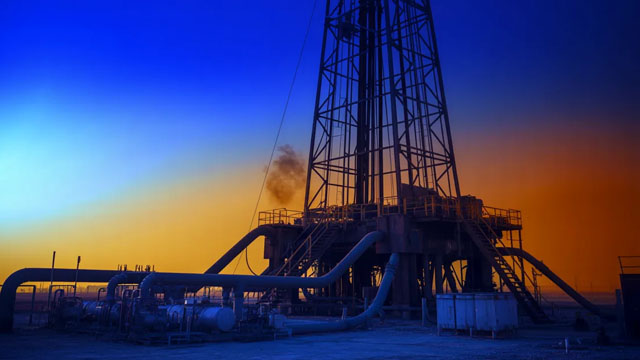
OPEC+ agrees in principle to keep November oil output targets steady, sources say
OPEC+ has agreed in principle to keep oil production targets steady for November, three sources close to the matter said ahead of the group's meeting on Sunday.
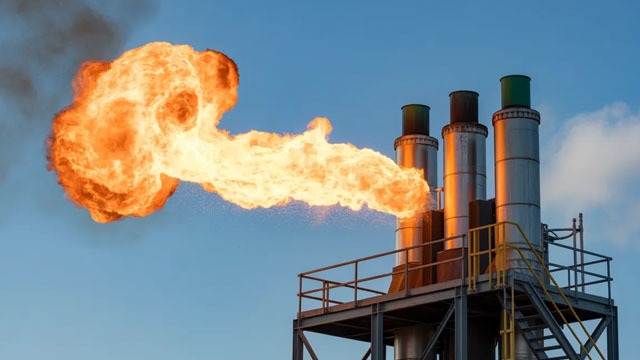
G7 nations to release 100 million barrels of oil and diesel fuel to curb high prices
The Group of Seven wealthy democracies said Friday that they plan to release 100 million barrels of oil and fuel products in the coming weeks, starting with “substantial” amounts of diesel after the fuel recently hit record high prices in the United States.

4 Best-Performing ETFs of September
Despite a weak September for broader markets, shipping, rate hedges, oil and semiconductors delivered strong ETF gains.

G-7 Agrees to Release 100 Million Barrels of Crude and Oil Products
The announcement would seem to end the threat of a U.S. ban on diesel exports, at least for now.




