




Saudi Arabia sharply cuts July OSP for Asia amid slow demand
Saudi Arabia has cut its official selling prices (OSPs) for crude oil to Asia in July for a second month, as expected, as spot premiums eased on slow demand despite supply disruptions driven by the U.S.-Israeli war with Iran.

Oil Prices Rise Amid Escalating Supply Disruption Concerns
Oil prices rose in early trade amid escalating concerns of supply disruption in the Middle East.

Oil prices rise more than $2 on Israel strikes on Lebanon
Oil prices were up more than $2 a barrel in early trading on Monday after Israel on Sunday launched strikes on the Beirut area for the first time since the U.S. announced a ceasefire plan for Lebanon.

U.S. stock futures slide, oil prices surge as new attacks threaten the cease-fire with Iran
U.S. stock-index futures fell on Sunday, after a massive tech selloff on Friday interrupted Wall Street's two-month rally, and after new developments threatened the fragile cease-fire in the Iran war.

OPEC, Allies Pledge Oil-Output Hike Even as Middle East War Chokes Exports
The move is widely seen as symbolic as the war in the Middle East has choked off a critical waterway through which a fifth of the world's oil passes.

S&P 500 companies can't stop talking about higher oil prices. But few say they'll actually hit profits.
Listen to a few earnings calls this season, and you'll get the sense that CEOs are worried about high oil prices as the Iran war continues. But a look at the numbers shows those anxieties haven't had much of an impact yet on their profit expectations for this year.

OPEC+ to make small oil output quota hike for July
Seven OPEC+ countries will raise oil output targets by 188,000 barrels per day in July, OPEC said in a statement after a meeting on Sunday.
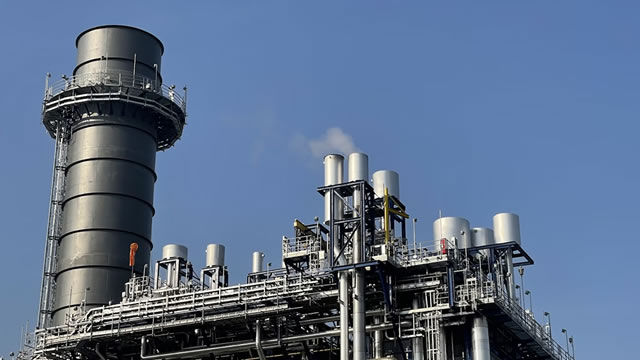
OPEC+ set for fourth oil quota hike since Hormuz closure, sources say
OPEC+ is set to agree on Sunday a fourth increase in oil output targets in as many months, three OPEC+ sources said, even though the U.S. war with Iran is still preventing several of the group's members from pumping more.

America's crude inventories are getting perilously low. But that's not the full story.
There are growing worries that U.S. commercial oil inventories are too low for comfort as the war with Iran enters its fourth month far from a clear resolution — and a lot hinges on how much longer the conflict drags on.

Goldman Sachs says global oil demand takes big hit, sees risks to price forecast
Goldman Sachs said in a note on Friday that global oil demand has declined more than expected, posing two-sided risks to its fourth-quarter 2026 Brent crude price forecast of $90 a barrel and WTI forecast of $83 per barrel.
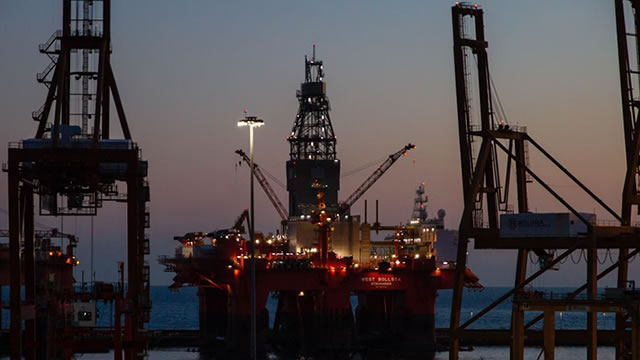
Oil Prices End The Week Lower On U.S.-Iran Diplomatic Moves
Oil prices were in retreat on Friday after having risen for three straight sessions earlier in the week, as diplomatic overtures to bridge differences between the U.S. and Iran continue.

5 Environmentally Friendly Energy ETFs Up At Least 35% YTD: Here's Why
Clean energy ETFs are soaring in 2026 as the Iran war boosts renewable adoption, energy security efforts and global green investments.


