



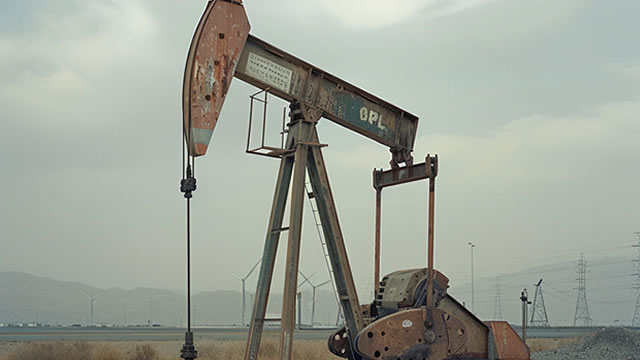
U.S. Crude Oil Stockpiles Post Sixth Straight Weekly Drop
U.S. crude oil inventories extended their decline, falling by 8 million barrels, as exports rose and refineries ran near full capacity.
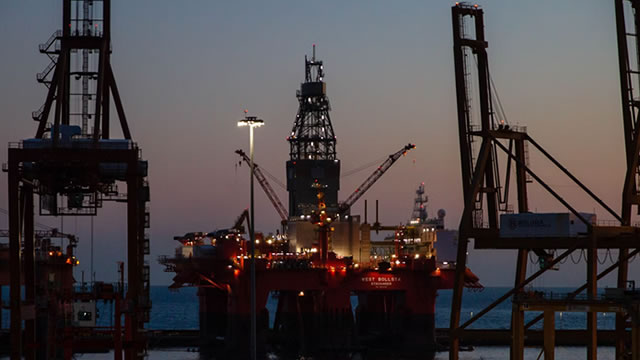
Oil prices rally for a third straight day as peace-deal hopes teeter
WTI crude futures have risen nearly 10% in three days as hopes for a quick peace deal fade.

Kuwait could recover 70% of oil production in 6-8 weeks after Hormuz reopens, KPC executive says
Kuwait could recover its oil production to almost 70% of normal levels in 6-8 weeks after the Strait of Hormuz reopens, Kuwait Petroleum Company's managing director for international marketing, Shaikh Khaled Ahmad Al-Sabah, said on Wednesday.

U.S. and Iran Strikes Drive Up Oil Prices as Hormuz Fears Spike
Brent crude and WTI prices were rising on Wednesday after an exchange of fire between American and Iranian forces.

Oil Prices Rise Amid Continuing Middle East Tensions
An exchange of attacks between the U.S. and Iran could complicate negotiations and put at risk the reopening the Strait of Hormuz, a critical oil waterway.
Oil climbs as U.S.-Iran trade strikes while Trump says negotiations with Tehran underway
Oil prices edged higher as investors weighed uncertainty over U.S.-Iran talks. U.S. Central Command said Tuesday that it had defeated multiple Iranian ballistic missiles.
Oil prices rise as new Middle East hostilities flare and talks stall
Oil prices climbed more than 1% in early trade on Wednesday as hostilities in the Middle East erupted anew with Iran firing missiles at Kuwait and Bahrain, while diplomatic talks between Iran and the United States showed little progress.

Oil Rises Amid Signs of U.S.-Iran Peace Talks Stalling
Oil prices gained amid signs that U.S.-Iran peace talks may struggle to remain on track.

Goldman CEO says high oil prices could shift consumer behavior in second half of 2026
Goldman Sachs CEO David Solomon expects consumer behavior to change in the second half of 2026 if inflation picks up, fueled by higher oil prices.

Oil market could be underpricing risks, Vitol's Bahrain chief says
The oil market is underpricing some risks from the Iran war, global commodity trading house Vitol's managing director for Bahrain, Tom Baker, said on Tuesday.

Exclusive: Russia's western oil exports hit 8-month high as drone strikes curb refining
Russia boosted oil exports via its western ports by 15% in May from April, according to two industry sources familiar with the data, as refinery outages caused by Ukrainian drone attacks push Moscow to export more crude.

Oil prices drop after Trump tries to reassure traders that peace deal is coming
West Texas Intermediate and Brent crude's front-month contracts both edged lower after hitting monthly highs during Monday's session.


