






Oil Rises Amid Few Signs of Strait of Hormuz's Reopening
il rises amid few signs of the reopening of the Strait of Hormuz.
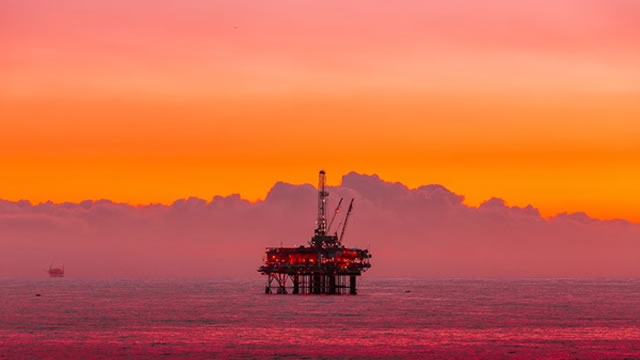
Oil prices rise more than 2% as Israel moves further into Lebanon
Oil prices rose more than 2% in early trading on Monday after Israel ordered troops to move further into Lebanon in the battle with the Iranian-backed Hezbollah militant group, despite a ceasefire announced more than six weeks ago.

Oil rises, U.S. stock futures dip as Wall Street looks to extend its winning streak
U.S. stock-index futures were little changed on Sunday, as Wall Street looks to stretch the market's record-setting rally into June.

Stock, Oil Futures Set to Trade as Iran War Enters Fourth Month
The economic highlight of the coming week will be the May jobs report set for release on Friday.
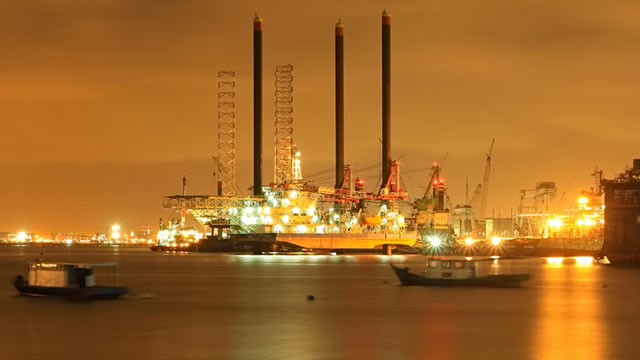
Oil exports through the Strait of Hormuz might not return to levels seen before the Iran war
Oil tanker traffic through the Strait of Hormuz may not return to prewar levels even if the U.S. and Iran reach a deal. Ship traffic in the Red Sea, for example, plummeted in early 2024 due to Houthi militant attacks.

Tiny Guyana poised for big Iran oil gains and growth strains
Guyana was already the world's fastest growing economy before the U.S.-Israeli war on Iran drove up oil prices. Now, the tiny Caribbean nation of nearly 1 million people will reap an even bigger bonanza as the conflict reshapes global energy markets.
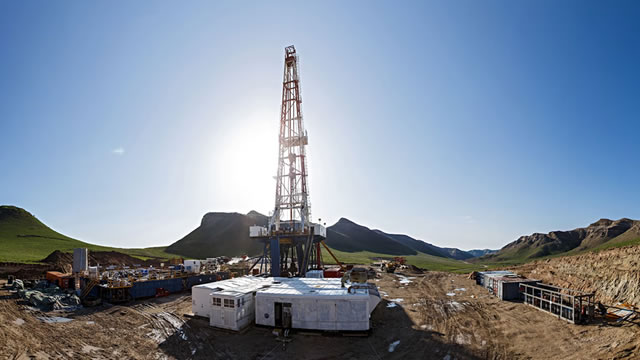
Oil Declines Lift Stocks to Fresh Records
Brent crude fell 19% in May, its sharpest monthly drop since 2020.

Gas prices sink as oil set for 20% drop — largest one-month decline since 2020
Prices at gas pumps are starting to sink and oil is on track to drop 20% in May as investors remain optimistic that a ceasefire deal to end the Iran war is near.

Higher For Longer, That's The Story Of Oil And Gas Prices
This week executives from both Exxon and Chevron, two of the largest oil producers in the United States came out and said oil could hit 160 dollars within weeks. Senior Vice President of Exxon Neil Chapman warned at the Bernstein conference that inventory levels of crude and gasoline are at historic lows and are reaching their operational floor.
Oil prices fall after Trump says he will make final determination on Iran deal
Oil prices fell Friday after President Donald Trump said he is meeting in the White House Situation Room to make a final determination about a deal with Iran.
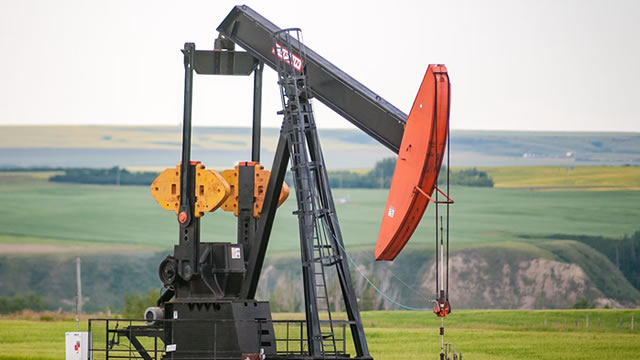
Iran ceasefire hopes outrun reality as oil inventory drawdowns deepen, RBC warns
Reports of an imminent ceasefire in the Iran conflict are running well ahead of reality, RBC Capital Markets has warned, as global oil inventories continue to drain at a pace that may be more severe than headline figures suggest. The bank's commodity strategy team says that despite widespread speculation about a 60-day memorandum of understanding (MOU) that would reopen the Strait of Hormuz to unrestricted navigation, the situation on the ground remains deeply uncertain.

Analysts hike oil forecasts again as energy flows face slow recovery
Analysts have increased their 2026 oil price forecasts for the third time since the Iran war began at the end of February, as they cite a months-long timeline for energy flows to normalise to pre-conflict levels, a monthly Reuters poll showed on Friday.




