





Oil Edges Lower as Traders Assess Middle East Developments
Oil edged lower as traders assess Middle East developments.
Crude oil is going the long way around the world as countries scramble to plug Hormuz supply hole
The near-standstill at the Strait of Hormuz has forced countries to get much-needed energy products via routes that were relatively quiet only a few months ago.
Why Oil Price Spikes Cause Recessions But High Prices Don't
Rising oil prices often trigger recession, but high and stable oil prices don't. This distinction is key to understanding the effects of the current jump in energy costs that resulted from closure of the Strait of Hormuz.
Why Oil Prices Are Still Above $110 as Trump Calls Off Attack Amid 'Serious' Talks
After multiple deadlines and threats of fresh attacks, traders don't seem to believe that further escalation is a genuine risk.
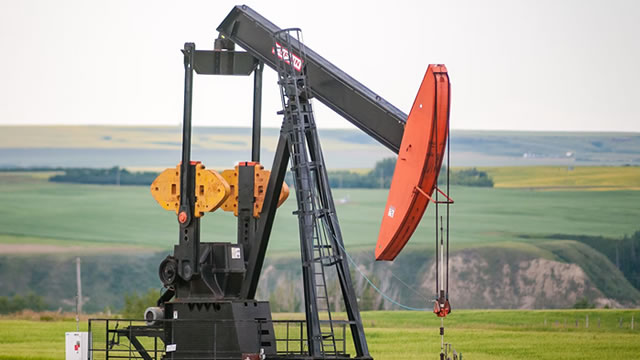
Oil Price Forecast: Crude Pullback May Be the Calm Before the Next Surge
Oil prices may stay volatile as diplomacy cools the war-risk premium, while the closed Strait of Hormuz and tight inventories continue to support the broader bullish trend.
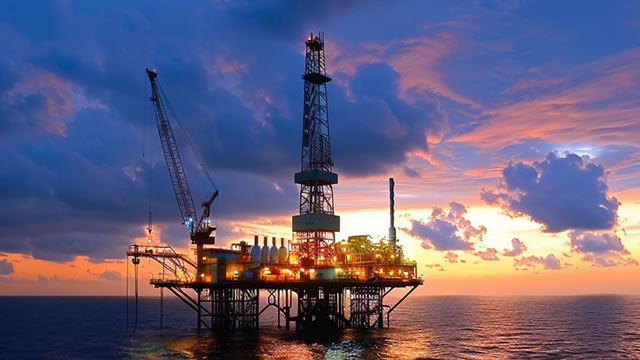
Oil prices fall after Trump delays planned Iran strike, easing supply disruption fears
Oil fell after Trump delayed a planned strike on Iran. Gulf leaders had urged Washington to hold off military action.
Oil Falls as Supply-Disruption Concerns Ease
Oil fell in early trade amid easing supply-disruption concerns.
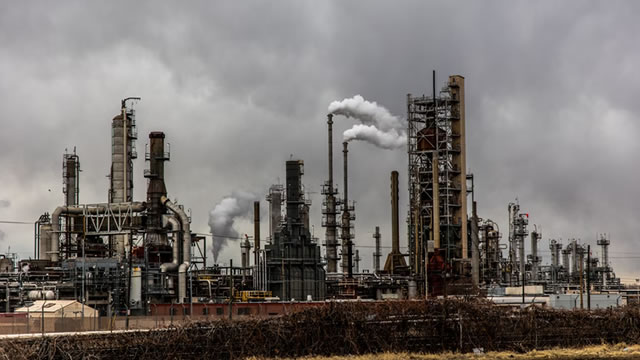
Oil climbs as Trump warns the ‘clock is ticking' on Iran, but there's a bigger danger lurking on the horizon
Oil futures climbed on Monday, getting a boost after President Donald Trump warned that the “clock is ticking” on Iran, but a loss of the buffers used to cushion supply disruptions could spark the next significant move higher for prices.
The oil market is reaching a ‘tipping point' that could create problems for stocks, according to this Wall Street legend
Evercore's Roger Altman said in a CNBC interview on Monday that a sharp rise in crude could destabilize markets before it may trigger “the second big inflation shock of this decade after COVID,” especially if oil prices climb toward $150 a barrel or higher.
Why Oil Hasn't Hit $150—Yet
I think most energy analysts would have been shocked to learn that roughly three months into a total closure of the Strait of Hormuz, oil would be trading at just over $100 a barrel. I certainly expected prices to be significantly higher by now.
‘This is bad': Strategists see European oil shortages within weeks as inventories are depleted
Oil markets are operating under a "veneer of stability", strategists say, but physical shortages could strike Europe by the end of this month. Even a swift reopening of the Strait of Hormuz would still mean delays and stress as complex supply chains unlock.
Oil Prices Hit $110. Trump Says the ‘Clock Is Ticking' for Iran.
President Donald Trump said Iran better get moving fast.




