






Oil futures fall after Trump pauses U.S. effort to partially reopen Strait of Hormuz
Crude-oil futures fell late Tuesday after President Donald Trump said his latest effort to partially reopen the Strait of Hormuz would be paused, to buy more time to reach an agreement to end hostilities with Iran.
There's one reason why $200-a-barrel oil can't be entirely ruled out
This year's roughly 80% surge in oil prices has done little to diminish demand for crude globally
Oil Retreats From 4-Year Highs As U.S.-Iran Ceasefire Remains Fragile
Oil futures retreated from four-year highs on Tuesday, as the ceasefire between the U.S. and Iran remains fragile. That's after Washington kick-started operation Project Freedom to ease the disruption in the Strait of Hormuz.
Stock Market Today: Brent Crude Steadies Near Multiyear High
Stock futures tick up after Trump downplays Middle East tensions
Trump Plays Down Iran Attacks on Ships in Hormuz. Oil Prices Tell a Different Story.
Brent crude and WTI prices remain at elevated levels as investors digest conflict in the Strait of Hormuz.
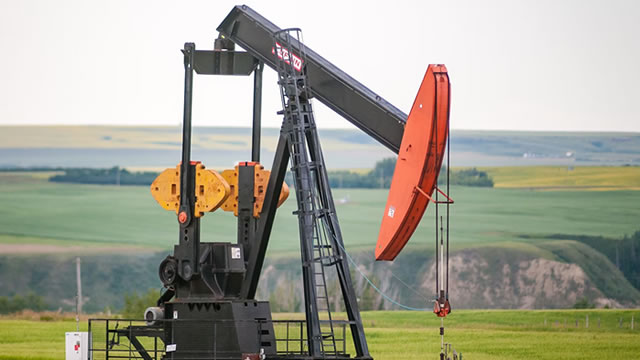
Oil slides as traders assess Middle East developments with Iran attacks keeping markets jittery
Oil prices declined on Tuesday, retreating from sharp gains in the previous session. Traders continued to assess the risk of immediate supply disruptions amid renewed U.S.-Iran tensions.
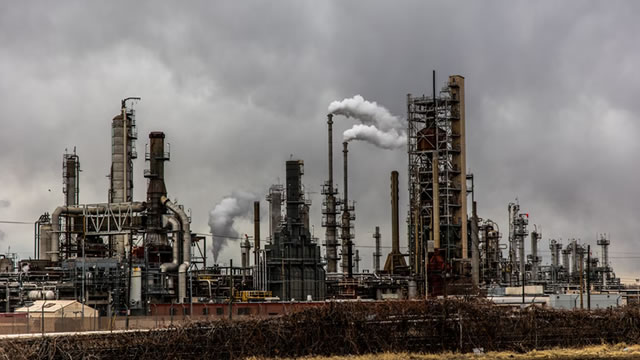
Oil Soars, Stocks Fall With Tensions Rising in Strait of Hormuz
Oil prices rose sharply and stocks fell after fighting in the Iran war flared for the first time in weeks.

Oil Prices Flat As U.S. Starts ‘Project Freedom' In Strait Of Hormuz
Oil prices moved sideways on Monday after U.S. president Donald Trump said the country's navy would attempt to ease the disruption caused by Iranian threats to the Strait of Hormuz.
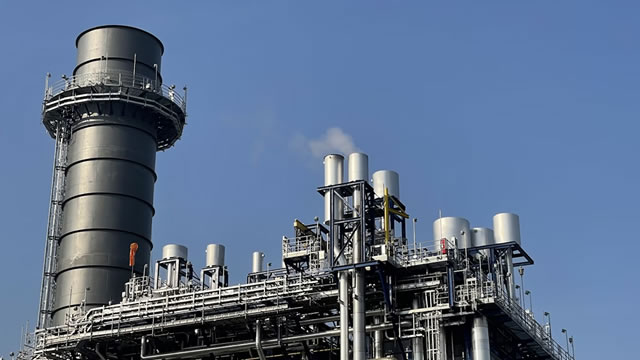
Natural Gas and Oil Forecast: UAE OPEC Exit Ignites Crude Volatility – Will $116 Break?
Oil prices surge as Gulf production shut-ins and UAE's OPEC exit rattle markets. WTI eyes $110 while natural gas struggles under heavy supply and mild weather.

Oil prices rise in choppy trade as Trump plans to 'free' ships stranded due to Mideast conflict
Oil prices rose in choppy trade Monday. Trump said the U.S. would attempt to "free" stranded cargo ships affected by the Strait of Hormuz closure.
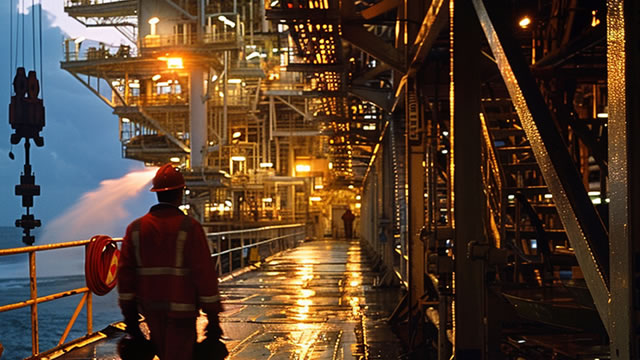
Oil Declines Amid Mild Risk-on Sentiment
Oil declined. Oil prices may be weighed by Trump saying Sunday that the U.S. would begin guiding commercial ships out of the Strait of Hormuz.
OPEC+ agrees on third oil output quota hike since Hormuz closure
Seven OPEC+ countries will raise oil output targets by 188,000 barrels per day in June, the third consecutive monthly increase, OPEC+ said in a statement




