






See How the Energy Crisis Is Spreading Across the World
In a war between oil exporters, those dependent on energy imports find themselves at the forefront of a global crisis.

One Peace Deal Could Erase Everything BNO Has Gained in 2026
Brent crude started 2026 near $61 a barrel. Today it trades above $127 (spot price, not futures).
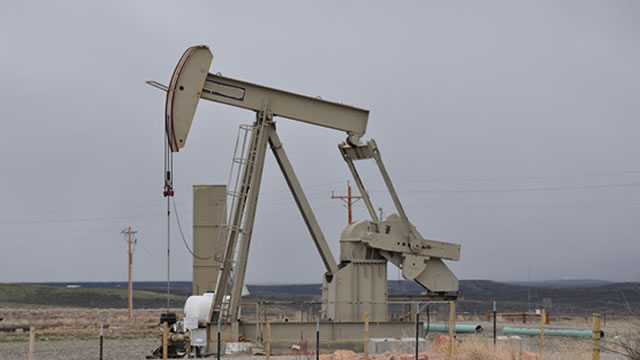
Investors who think it's time to move on from the Iran war should look at these numbers
There's optimism on Wall Street that military operations in the Persian Gulf may be winding down, but oil markets remain on edge.

This little-known ETF is up over 600% amid U.S.-Iran war, a better trade than oil or energy stocks
The Breakwave Tanker Shipping ETF (BWET) has surged more than 600% since the beginning of the year, vastly outperforming fundamental energy trades like crude oil, which is up around 60% in the same period. Rising tensions in the Strait of Hormuz caused by the U.S.-Iran war and disruptions to key maritime corridors have caused freight futures to skyrocket.
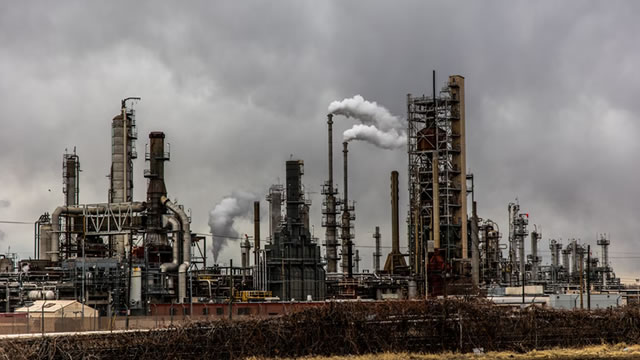
U.S. Energy Exports Hit Records as World Adjusts to a Closed Persian Gulf
Exports of U.S. oil and gas have soared, but the U.S. will face obstacles turning wartime demand into a permanent boost

Gas Prices Drive Consumer Sentiment Index to All-Time Low
The gas price spike drove the University of Michigan's Index of Consumer Sentiment to the lowest level recorded in its over 73-year history. The index declined by 3.5 points in April, dropping to 49.8, amid the rising prices caused by the Iran war, according to the Surveys of Consumers' final results for April.

Why crude prices won't fall back to levels seen before the Iran war anytime soon
Two of the world's largest oilfield-services companies just said what pretty much no one in America wants to hear.

The ‘simple math' why oil prices need to rise a lot more, according to JPMorgan
JPMorgan says oil prices are not reflecting reality, and demand destruction and higher U.S. pump prices are inevitable.
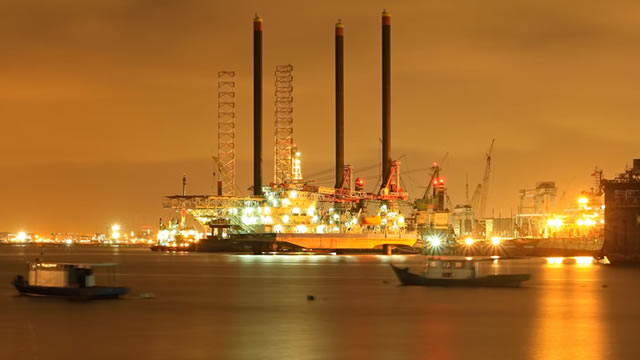
Oil Climbs Further as U.S.-Iran Peace Efforts Remain Stalled
Oil rose for a fifth-straight day as the Strait of Hormuz remained shuttered and neither the U.S. nor Iran signaled a return to peace talks in the near term.

Oil Prices Rise. Trump Tells Americans to Expect Higher Gas Prices as Iran War Rumbles.
Brent crude futures rose back above $100 a barrel early Friday.
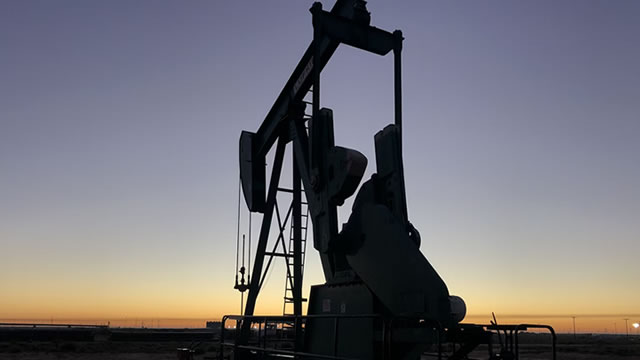
Stock-Market Today: Stock Futures Mixed, Oil Gains
Dow slips slightly with Brent crude trading around $106

Indonesia to import 150 million barrels of crude oil from Russia this year, deputy minister says
Indonesia will import 150 million barrels of crude oil from Russia this year, Deputy Energy Minister Yuliot Tanjung said on Friday.




