






Stocks Fall, Oil Climbs With Iran Talks in Flux
Yields rose, though the Kevin Warsh hearing didn't move markets much.
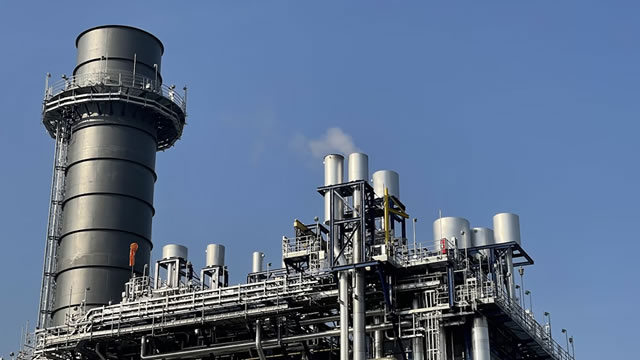
Russia's Novokuibyshevsk oil refinery has halted operations after drone attack, sources say
Primary oil processing at Russia's Rosneft-operated Novokuibyshevsk refinery has been halted since April 18 after a Ukrainian drone attack, two industry sources said.
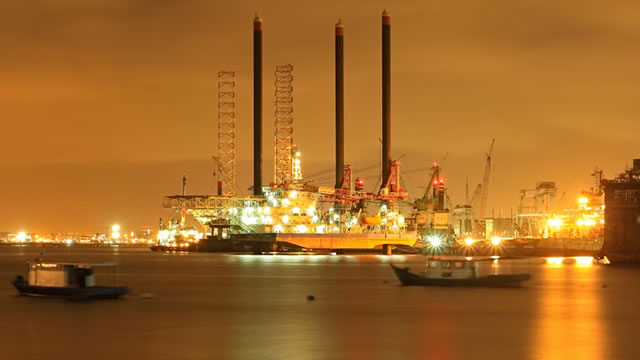
Druzhba oil pipeline can resume operations, Zelenskiy says
The Druzhba oil pipeline pumping Russian oil to Europe is ready to resume operations, Ukrainian President Volodymyr Zelenskiy said on Tuesday, signalling that Kyiv now expects a 90 billion euro aid package to be unblocked.
Russia's Tuapse oil refinery halted operations after April 16 drone attack, sources say
Russia's Tuapse oil refinery, which sells most of its products for export, halted operations following a Ukrainian drone attack on April 16, two industry sources said on Tuesday.
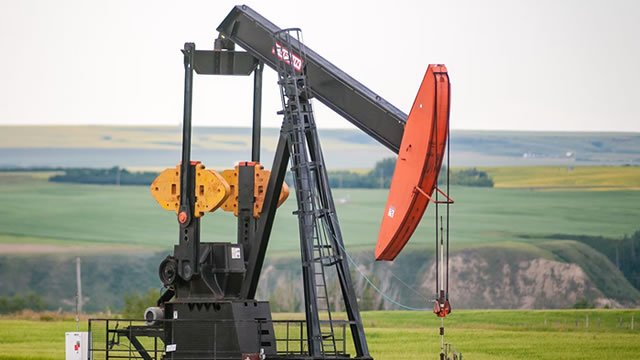
A timeline of how the Iran war shook oil prices — and what comes next
Brent crude has surged more than 55% since the Iran war began, hitting nearly $120 a barrel at its peak, amid fears of disrupted oil flows through the Strait of Hormuz. March marked one of the largest monthly oil price jumps on record, with Brent gaining 51% as Gulf output fell and exports stalled.

Renewable energy trusts gain favour as Iran conflict drives oil above $100
Renewable energy investment trusts are drawing fresh investor interest as the conflict in Iran pushes oil prices above $100 per barrel and raises the prospect of sustained higher power prices across the UK. The average trust in the Association of Investment Companies (AIC) renewable energy infrastructure sector has gained 1.2% since the conflict began, outperforming broader markets at a time of heavy selling.

Kremlin says Russia is ready to resume Druzhba oil flows if Kyiv opens the pipeline
The Kremlin said on Tuesday that Russia was technically ready to resume oil flows through the Druzhba pipeline to Hungary and Slovakia if and when Ukraine ended what Moscow called its "blackmail".

Exclusive: Russia to halt Kazakhstan's oil flows to Germany via Druzhba, sources say
Russia is set to stop oil exports from Kazakhstan to Germany via the Druzhba pipeline starting from May 1, three industry sources said on Tuesday.
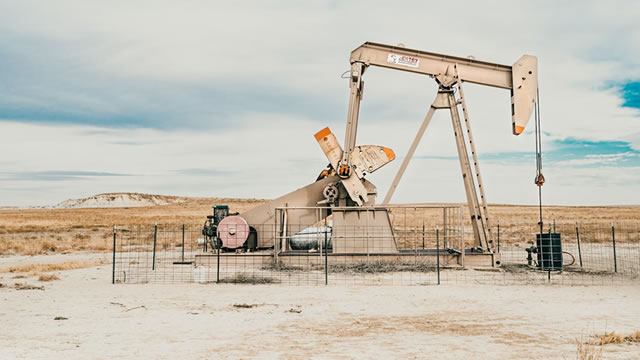
Oil Prices Fall but U.S.-Iran Peace Talks Are in the Balance
Uncertainty over Iran's attendance at a second round of talks have oil markets on edge.

Oil falls as investors assess mixed messaging on Iran peace talks ahead of ceasefire deadline
Oil prices fall as Trump renews military threats against Iran ahead of ceasefire expiry. Strait of Hormuz disruption continues to tighten supply and drive volatility in global oil markets
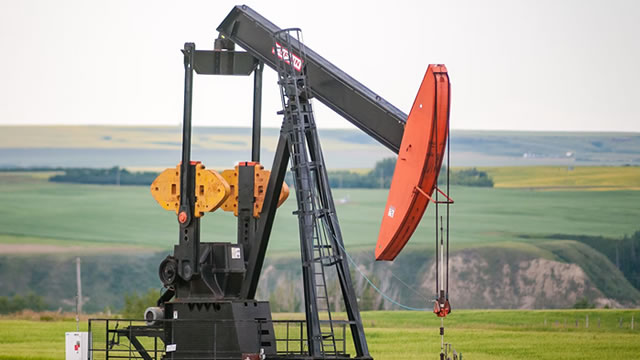
JGBs Edge Higher as Falling Oil Prices Ease Inflation Concerns
JGBs edged higher in price terms in early Tokyo trade as falling oil prices ease inflation concerns.
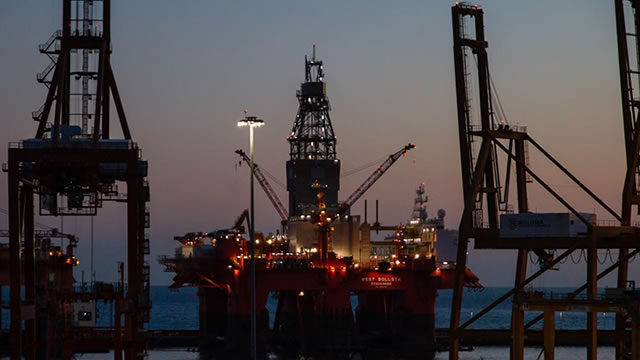
Oil Falls Amid Prospects of U.S.-Iran Talks
Oil fell in early Asian trade amid prospects of U.S.-Iran talks that could lead to reduced supply disruptions




