






Oil Rises on Geopolitical Risks, Stockpile Decline
Oil gained. Prices are still expected to decline, but the path lower is likely to be more gradual as the endgame of the U.S.-Iran conflict becomes increasingly difficult to predict, OCBC said.
Oil gains over 1% as Trump rejects Iranian proposal to reopen Hormuz Strait
Oil prices jumped on Monday after U.S. President Donald Trump rejected an Iranian peace proposal aimed at ending the conflict. Trump told aides he expects U.S. strikes on the country to resume after November's midterm elections, Wall Street Journal reported.

Why JPMorgan has given up predicting what the oil markets will do next
The continued conflict has throttled about a quarter of the world's oil that is shipped through the Strait of Hormuz.

Vietnam refinery signs crude oil deal with ExxonMobil Asia Pacific
Petrovietnam Refining and Petrochemical Corp , also known as BSR, has signed a framework agreement with ExxonMobil Asia Pacific for crude oil supplies for its refinery.
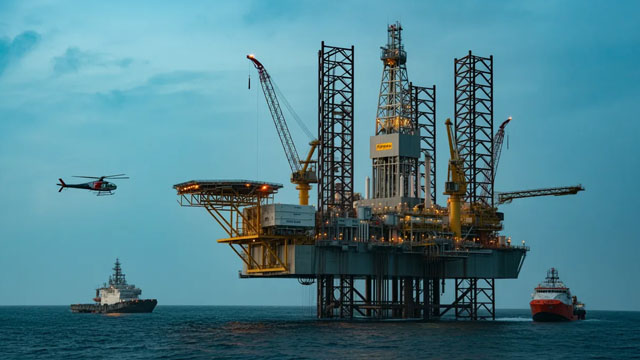
Oil Pulls Back as Cautious Hopes Compete With Escalation
Oil prices fell back in Asian trade as traders weigh the latest headlines around efforts to reopen the Strait of Hormuz, the critical energy shipping lane blocked by fighting in the Middle East.
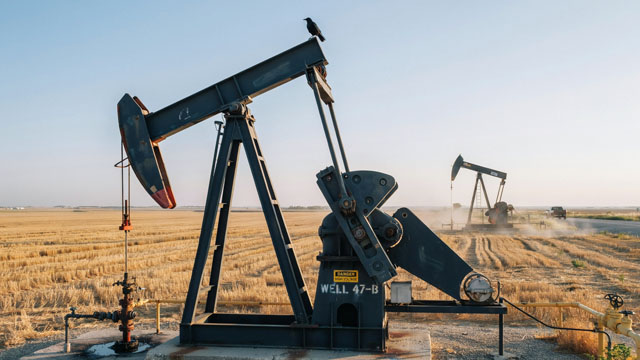
Peter Schiff predicts economic 'downturn,' higher oil prices: 'I don't think it's over'
Peter Schiff indicated during an interview that he expects oil prices to head higher regardless of whether the Iran war ends, and thinks that there will be an economic "downturn."
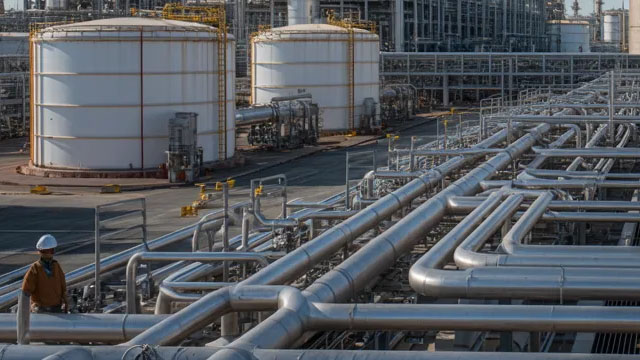
Europe stocks rise as oil retreat aids sentiment; PMI data in focus
European shares inched higher on Wednesday as lower oil prices supported sentiment, while investors awaited key business activity data due later in the day.

Morning Bid: As oil swoons, AI recharges
The combination of a buzzy reception for Meta's new AI assistant Muse and softer oil prices was enough to give stocks a lift to start the week, with Mark Zuckerberg's firm surging more than 11% on demand for its new agent on Monday.
Eco (Atlantic) Oil & Gas rises 8% as Navitas deal brings US$4 million
Eco (Atlantic) Oil & Gas Ltd (TSX-V:EOG, AIM:ECO) shares rose 8% to 45.20p after the explorer completed a stake sale to Navitas Petroleum and received US$4 million. Navitas will also fund Eco's share of the block's work programme up to US$7.5 million, repayable from Eco's proceeds from any future production.
Beware Oil's Second Strike on Inflation
Plus, AI for lawyers, sovereign-debt ratings and the decline of grandmothers.
AI Stock Rally Loses Steam, Oil Prices Turn Negative
Nasdaq futures were flat after a global rally in AI-linked stocks stalled in European trade, and oil prices reversed course to fall on rising hopes for a diplomatic settlement to reopen Hormuz.
We're living on an 'oil market credit card': Analyst
Saul Kavonic, Senior Research Analyst at MST Marquee says oil flows through the Strait of Hormuz are still only at about a third of pre-war levels - around five to seven million barrels a day via ship-to-ship transfers and rerouting via Fujairah and Yanbu. However, he warns the market is effectively living on borrowed time as lower Asian demand and reserve releases are cushioning prices near $100 for now, and further escalation could change the picture.




