






Thailand's PTT offers more fuel oil for May loading, sources say
Thai state-owned energy company PTT has offered a larger volume of high-sulphur fuel oil (HSFO) for loading in May than in previous months, according to market sources.

China's March oil throughput slows on Middle East supply risks, crude output hits record
China's crude oil throughput in March dropped 2.2% year-on-year, official data showed on Thursday, as the Iran war curbed refinery runs, while domestic crude output hit a record high.

Oil Falls on Prospects of Further U.S.-Iran Negotiations
Oil fell in early trade on prospects of further U.S.-Iran negotiations that could lead to reduced supply disruptions in the Middle East.

The oil market thinks the worst is over from the Iran war. The damage suggests otherwise.
Costly repairs in the Middle East point to a slow recovery — a condition that may result in crude prices staying higher for longer.
US probes suspicious oil trades made before Trump Iran pivots, source says
The U.S. Commodity Futures Trading Commission is investigating a series of oil futures trades that were placed shortly before major policy shifts by U.S. President Donald Trump related to the war in Iran, a person familiar with the matter said on Wednesday.

See the breakdown of economists' responses to our recent survey on the outlook for growth, inflation, oil prices and recession following the Iran war
Economists' forecasts from a WSJ survey on the outlook for growth, inflation, oil prices and recession risks following the Iran war.
U.S. Crude Oil Stockpiles Decline as Exports Rise
Commercial crude oil stocks excluding the Strategic Petroleum Reserve were down by 913,000 barrels, the EIA said. Analysts surveyed by The Wall Street Journal had predicted a 900,000 barrel increase in crude stocks.
Oil futures hold to tight range as hopes of peace deal between U.S. and Iran grow
Crude prices are mixed after President Donald Trump said the war in Iran is ‘very close to being over'
Oil Nudges Lower, U.S. Futures Flat in Steady Trade
Oil prices nudged below $95 a barrel and U.S. stock futures were flat in placid early European trade, amid investor optimism around U.S.-Iran peace talks this week.

Russia pledges further oil supplies to Cuba after dispatching crude cargo
Russia will continue helping fuel-hungry Cuba with crucial supplies of oil, Foreign Minister Sergei Lavrov said on Wednesday, two weeks after Moscow sent a tanker with around 700,000 barrels of crude to the Caribbean island.

Goldman Sachs flags two‑way risks to their 2026 oil price outlook
Goldman Sachs on Tuesday flagged both upside and downside risks to its average 2026 crude forecasts for Brent/WTI at $83/78 per barrel, citing growing uncertainty around Middle East developments and oil flows through the Strait of Hormuz.
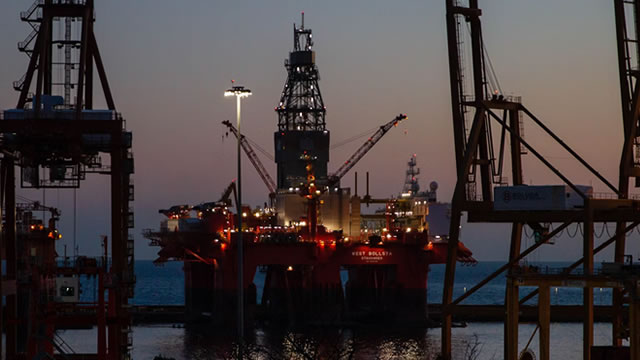
The International Energy Agency is really worried about the global oil market
Since the start of the Iran conflict, investors around the world have been worried that tight global oil supplies and high prices could eventually lead to a drop in demand. According to the International Energy Agency, these risks are finally starting to materialize.




