





The $250 million daily bet: How the Iran crisis triggered a frenzy in leveraged oil trades
As investors have sought new ways to take advantage of volatile energy prices, interest leveraged or inverse ETFs are taking off.
The Strait of Hormuz is not open as Iran controls access after ceasefire, UAE oil CEO says
Iran is requiring ships to obtain its permission to pass through the Strait of Hormuz, the CEO of the United Arab Emirates' state-owned oil company said. "The Strait of Hormuz is not open," Sultan Ahmed Al Jaber said.

These signals will make or break the Iran cease-fire — and oil prices
Ride the “war's over” rally — but the reality of the Trump-Iran truce suggests being ready to sell oil and emerging markets.
You think Iran is only about oil? No, it's also about your dinner table.
Four chokeholds are squeezing investor portfolios. Here's what to do before your grocery bill proves it in October.
Family offices piled into oil after capital dried up. The recent rally has made for big gains
Oil's rally has been a boon for family offices who invested in oil after traditional investors stepped away from the sector in part due to ESG pressures. While many investment firms of the ultra-wealthy are environmentally conscious, family offices are not subject to shareholder mandates to divest from oil and gas.
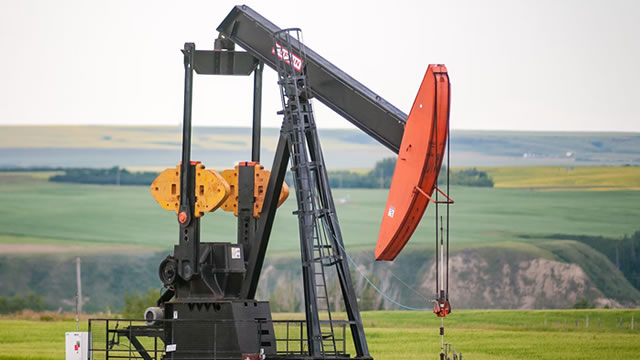
Iran oil shock stirs memories of 1997 Asian Financial Crisis — but here's why history may not repeat itself
Asia faces oil shock pressure, but stronger reserves reduce crisis risk. Economists said this was a supply shock, not a financial crisis like the one in 1997.
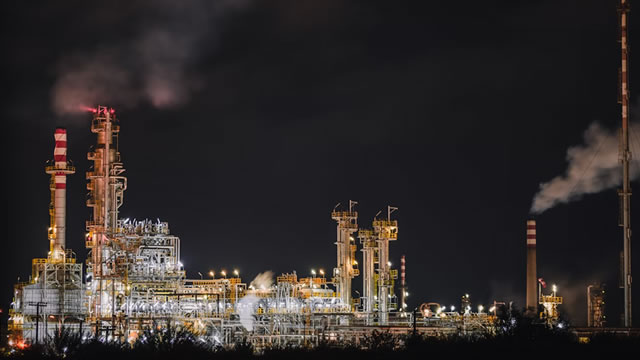
Oil prices rise as concerns about ‘fragile' cease-fire see Goldman warn of $115 crude by end of the year
Traders wary that traffic through the Strait of Hormuz is still restricted.
Goldman warns of 'very painful' natural gas shock that could rival oil crisis
Goldman Sachs is warning of a painful gas squeeze as much of Qatar's supply remains offline. Qatar's liquefied natural gas infrastructure is severely damaged.

Brent oil spot price above $120 in sign that Iran ceasefire can't solve deep disruption
The price for actual Brent oil cargos came in above $120 per barrel on Wednesday, nearly $30 more than the June futures contract. The spot price shows that oil supplies will stay tight for some time, even if the ceasefire agreement holds.

Bonds may be the real winner now that the world economy has sidestepped a historic oil crisis
The Iran crisis threatened “the largest geopolitical oil supply disruption in history,” the Dallas Fed warned.
The U.S. has more natural gas than it knows what to do with — helping Americans weather the Iran oil crisis
Cheaper U.S. natural gas is a bright spot for consumers in otherwise dim energy markets. But the contrast is so stark it has created an anomaly.
Oil and fertilizer stocks get pummeled but are still well above levels before the Iran conflict
Of the S&P 500's top 20 biggest decliners, 19 companies are in either the oil and gas or the fertilizer business, and the other one is in agriculture.




