





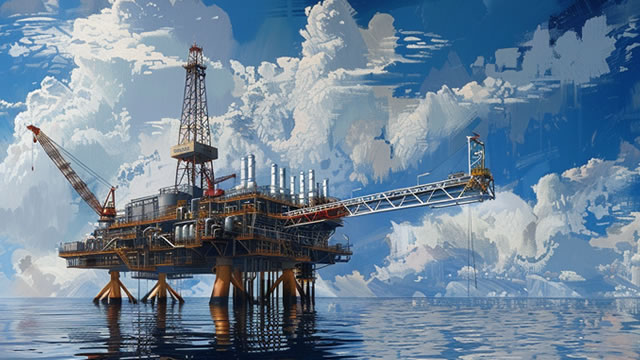
Crude oil dropping after historic $11 surge, as negotiators race against Trump's deadline for Iran
Oil prices are falling on Monday after President Donald Trump threatened to knock out Iran's power plants if it doesn't reopen the Strait of Hormuz by Tuesday.
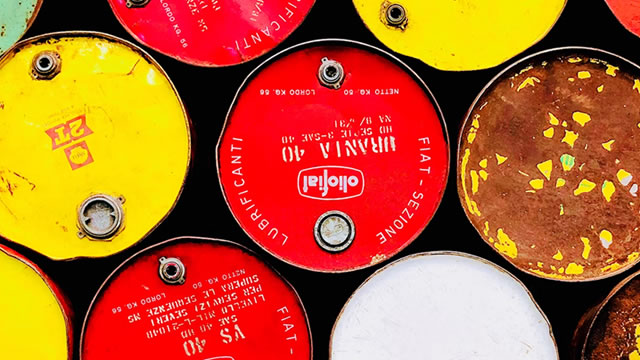
India turns to Iran for oil and gas after 7-year hiatus, signaling limits to U.S. tilt
India's energy ministry said refiners have secured crude supplies from more than 40 countries, including Iran. India is buying oil from Iran after a hiatus of seven years.
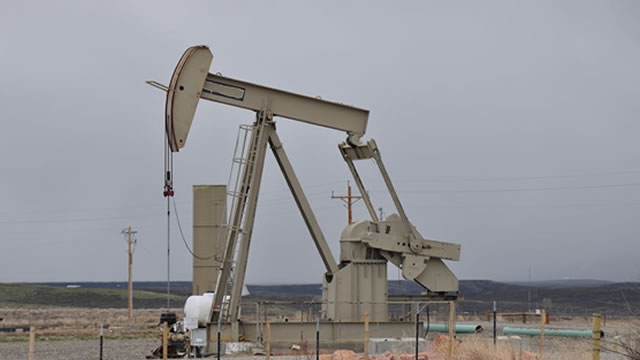
Oil prices rise again as the war enters its 6th week and Trump threatens to strike Iran's power plants
Oil prices are rising again after Trump threatened Iran over the closure of the Strait of Hormuz. Brent crude rose to almost $110 at market open.
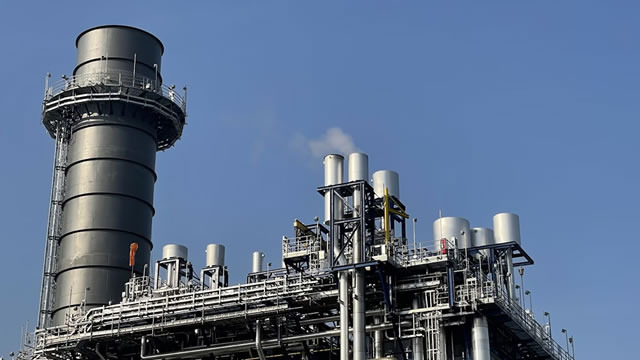
Oil prices rise as Trump warns Iran to open Strait of Hormuz by Tuesday or face 'hell'
President Donald Trump warned Sunday in an expletive-filled social media post that Iran would be "living in Hell" if they do not open the Strait
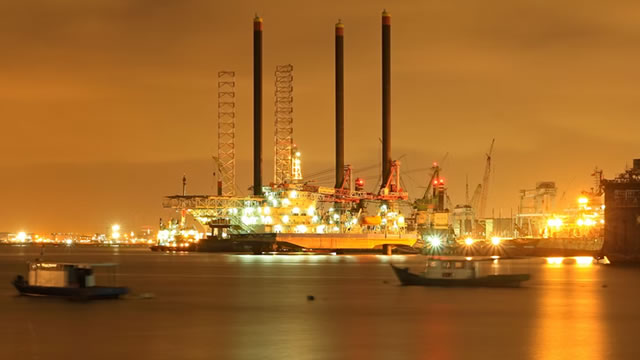
OPEC+ agrees to boost oil output when Strait of Hormuz reopens
The war has effectively shut the Strait of Hormuz since the end of February and cut exports from OPEC+ members Saudi Arabia, the United Arab Emirates, Kuwait and Iraq.

Wall Street Brunch: Trump Ramps Up Iran Threats
Escalating U.S.-Iran tensions threaten the Strait of Hormuz, raising geopolitical risk and oil price volatility. OPEC+ plans a modest 206K bpd production increase in May, despite ongoing disruptions to oil flows.
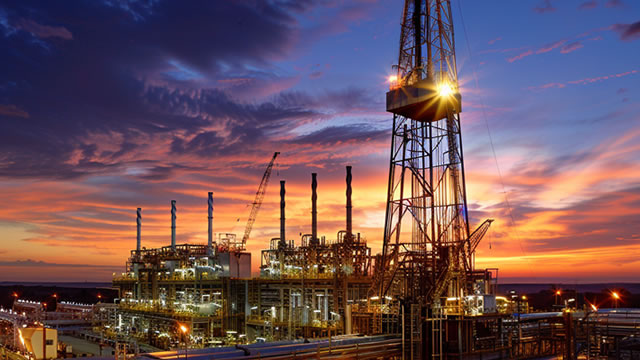
OPEC+ Plans Symbolic Oil Quota Hike for May
Bloomberg News Equities Reporter Natalia Kniazhevich joins Joe Mathieu and Christina Ruffini on Bloomberg This Weekend to discuss the latest impact the war in Iran is having on the energy markets. Watch the show LIVE every Saturday and Sunday morning.
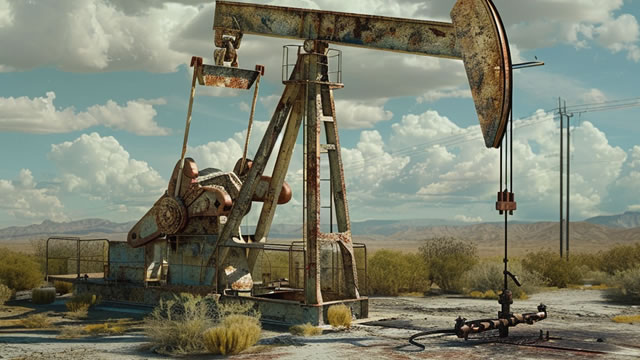
OPEC+ debates theoretical oil output hike amid Iran war paralysis, sources say
OPEC+ may approve an oil output increase on Sunday, four sources from the group said, a rise that will largely exist on paper as its key members are unable to raise production due to the U.S.-Israeli war with Iran.

Trump Suggests U.S. Will ‘Take The Oil' From Strait Of Hormuz ‘With A Little More Time'
President Donald Trump said the U.S. could “easily” reopen the Strait of Hormuz “with a little more time,” suggesting it could “take the oil” and “make a fortune,” though he didn't elaborate on how the U.S. plans to achieve these objectives.

Oil And War Panic Has Created Dirt Cheap Picks, Up To 14% Yields
Everyone quotes "be greedy when others are fearful," but few have the stomach for it when war risks and oil spikes actually arrive. While rising rates hurt book value, they allow AGNC to reinvest in higher-coupon Agency MBS. "The Monthly Dividend Company" is a defensive fortress with 660+ consecutive monthly payments.
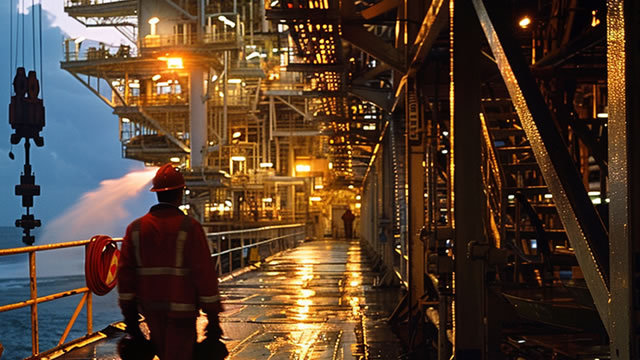
Brent oil spot price for actual cargo soars to $141, highest level since 2008 financial crisis
The spot price reflects the demand for Brent oil that will be delivered in the next 10 to 30 days. The high price for more immediate oil deliveries points to the tightness of physical supply right now due to the huge disruption trigged by the U.S. war against Iran.
Trump's Iran war speech paints a grim picture for oil markets with more than 600 million barrels at risk
The oil market was hoping that President Donald Trump would present a clear exit strategy in the U.S. war against Iran. Instead, Trump vowed to continue the war for weeks and hit Iran "extremely hard" during his national address Wednesday night.




