







Dutch Bros Inc. (BROS) Q1 2026 Earnings Call Transcript
Dutch Bros Inc. (BROS) Q1 2026 Earnings Call Transcript
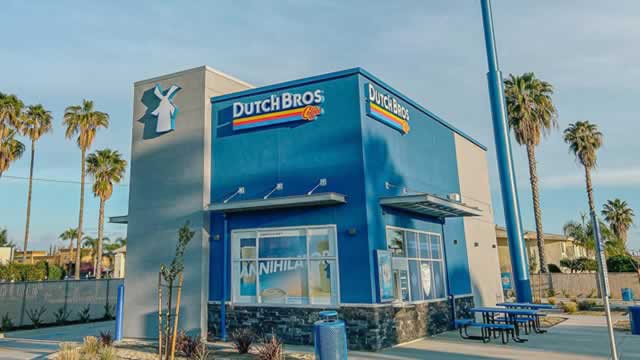
Dutch Bros (BROS) Q1 Earnings: How Key Metrics Compare to Wall Street Estimates
The headline numbers for Dutch Bros (BROS) give insight into how the company performed in the quarter ended March 2026, but it may be worthwhile to compare some of its key metrics to Wall Street estimates and the year-ago actuals.

Dutch Bros (BROS) Q1 Earnings Match Estimates
Dutch Bros (BROS) came out with quarterly earnings of $0.16 per share, in line with the Zacks Consensus Estimate . This compares to earnings of $0.14 per share a year ago.

Wall Street Analysts Think Dutch Bros (BROS) Could Surge 33.23%: Read This Before Placing a Bet
The consensus price target hints at a 33.2% upside potential for Dutch Bros (BROS). While empirical research shows that this sought-after metric is hardly effective, an upward trend in earnings estimate revisions could mean that the stock will witness an upside in the near term.

Dutch Bros to Post Q1 Earnings: What's in the Cards for the Stock?
BROS is set to report Q1 2026 on May 6, with EPS and revenues seen rising on same-shop gains and new shops, while higher coffee costs weigh.

Dutch Bros (BROS) Q1 Earnings Preview: What You Should Know Beyond the Headline Estimates
Get a deeper insight into the potential performance of Dutch Bros (BROS) for the quarter ended March 2026 by going beyond Wall Street's top-and-bottom-line estimates and examining the estimates for some of its key metrics.

Dutch Bros (BROS) Just Overtook the 200-Day Moving Average
After reaching an important support level, Dutch Bros (BROS) could be a good stock pick from a technical perspective. BROS surpassed resistance at the 200-day moving average, suggesting a long-term bullish trend.

Is It Worth Investing in Dutch Bros (BROS) Based on Wall Street's Bullish Views?
Investors often turn to recommendations made by Wall Street analysts before making a Buy, Sell, or Hold decision about a stock. While media reports about rating changes by these brokerage-firm employed (or sell-side) analysts often affect a stock's price, do they really matter?

Dutch Bros Inc. (BROS) Is a Trending Stock: Facts to Know Before Betting on It
Recently, Zacks.com users have been paying close attention to Dutch Bros (BROS). This makes it worthwhile to examine what the stock has in store.

Why Investors Need to Take Advantage of These 2 Retail and Wholesale Stocks Now
Why investors should use the Zacks Earnings ESP tool to help find stocks that are poised to top quarterly earnings estimates.

Why Dutch Bros (BROS) is a Top Momentum Stock for the Long-Term
The Zacks Style Scores offers investors a way to easily find top-rated stocks based on their investing style. Here's why you should take advantage.

Dutch Bros (BROS) Ascends While Market Falls: Some Facts to Note
Dutch Bros (BROS) closed at $54.62 in the latest trading session, marking a +2.21% move from the prior day.




