


Bitcoin

Bitcoin faces $80K risk or $86K rebound on CPI: analysts
Bitcoin has rebounded above $83,000, according to ViaBTC's Jeff Ko, as analysts have identified a drop below $80,000 or a recovery toward $86,000 as possible outcomes of this week's U.S. inflation report.

Bitcoin Spooked? Crypto Fear and Greed Index Drops to Pre-Rally August Lows
The Crypto Fear and Greed Index has dropped to 56 from an August peak of 82, as oil, bond yields, and ETF outflows hit Bitcoin in October.

Bitcoin Falls 2.2% as Ukraine, Iran Tensions Push Oil Higher
Bitcoin reached $84,254 before retreating as WTI crude topped $94 and Brent climbed to $107.25, its highest level since Sept. 16.

Bitcoin Long-Term Holders' SOPR Moves Back Above Annual Average
The indicator has held above its 1.10 annual benchmark, with weekly and monthly averages also higher.

Eclair Merges Fixes to Stop Nodes Paying Excessive Bitcoin Fees
The changes limit peer-imposed fee rates in dual-funded channels and verify fees when Bitcoin Core constructs transactions for Eclair.

Eclair merges fixes for Lightning flaws that could burn Bitcoin in fees
October funding and splicing repairs limit peer fees and verify backend transactions, while the latest listed release remains September's v0.14.3.

Strategy Spends $192 Million Buying Back Its Preferred Stock, Nearly Nine Times Its Bitcoin Buy
Saylor's company spent nearly nine times as much repurchasing its Stretch preferred stock as it did on bitcoin last week, leaving $354.8 million of its $2 billion buyback authorization.

Strategy Buys 250 Bitcoin for $21.5 Million in Latest Accumulation
The company also repurchased $192.4 million of its STRC preferred stock and now holds 848,250 BTC.

Strive Holds 29,462 BTC as SATA Preferred Stock Fundraising Reaches $55 Million Estimate
The company raised an estimated $55 million during the week of Oct. 5. An expected 8-K filing will clarify whether the funds were converted into Bitcoin.

What Happens When Bitcoin ETFs Buy More BTC Than Miners Produce?
Bitcoin miners produce roughly 450 BTC daily, but ETFs can absorb much more. Learn how ETF demand affects Bitcoin supply, liquidity and prices.
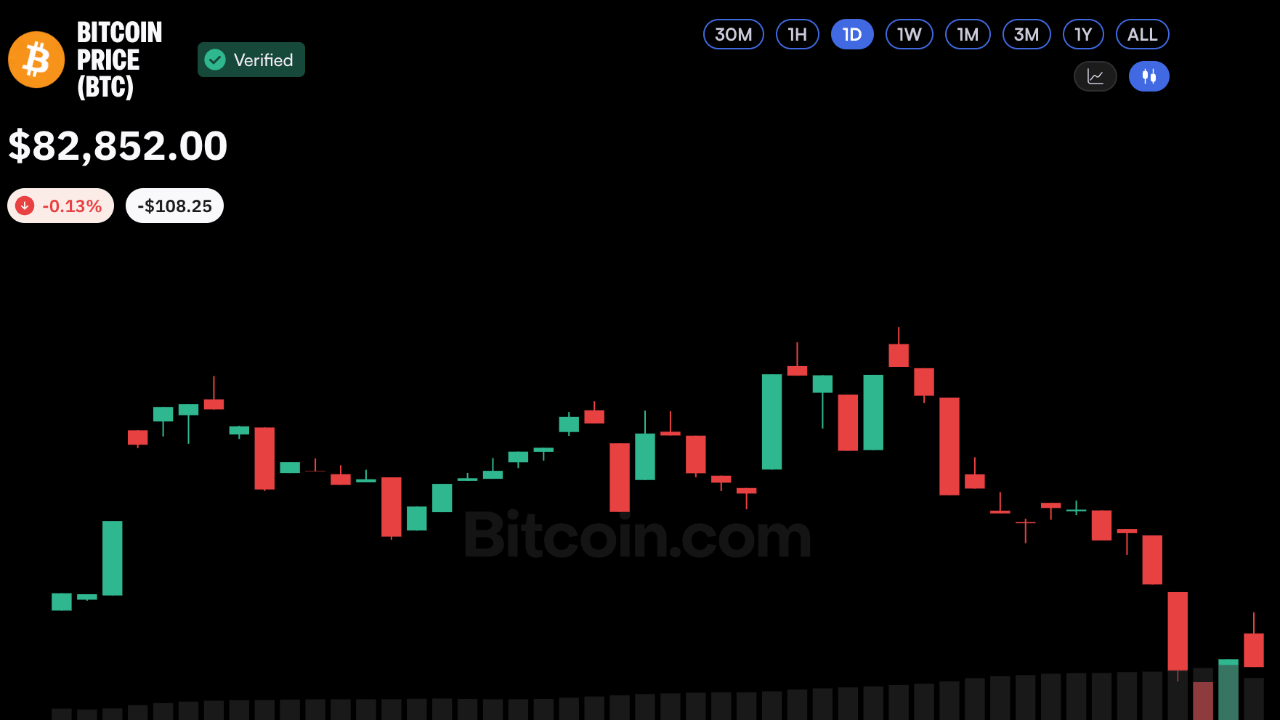
Bitcoin Price Defies $681M ETF Outflow as Oil Trades Above $100
Bitcoin is holding above $80,000 even as Brent crude trades above $100 amid renewed Middle East tensions. The resilience is notable, but roughly $681 million of weekly U.S. spot bitcoin ETF outflows leaves institutional demand as the key test for the next move.

Bitcoin Price Today: BTC Rebounds Above $83,300, Bottom Signals Remain Mixed
On-chain indicators show early signs of a market bottom, but US buyers remain cautious.


