





Bitcoin
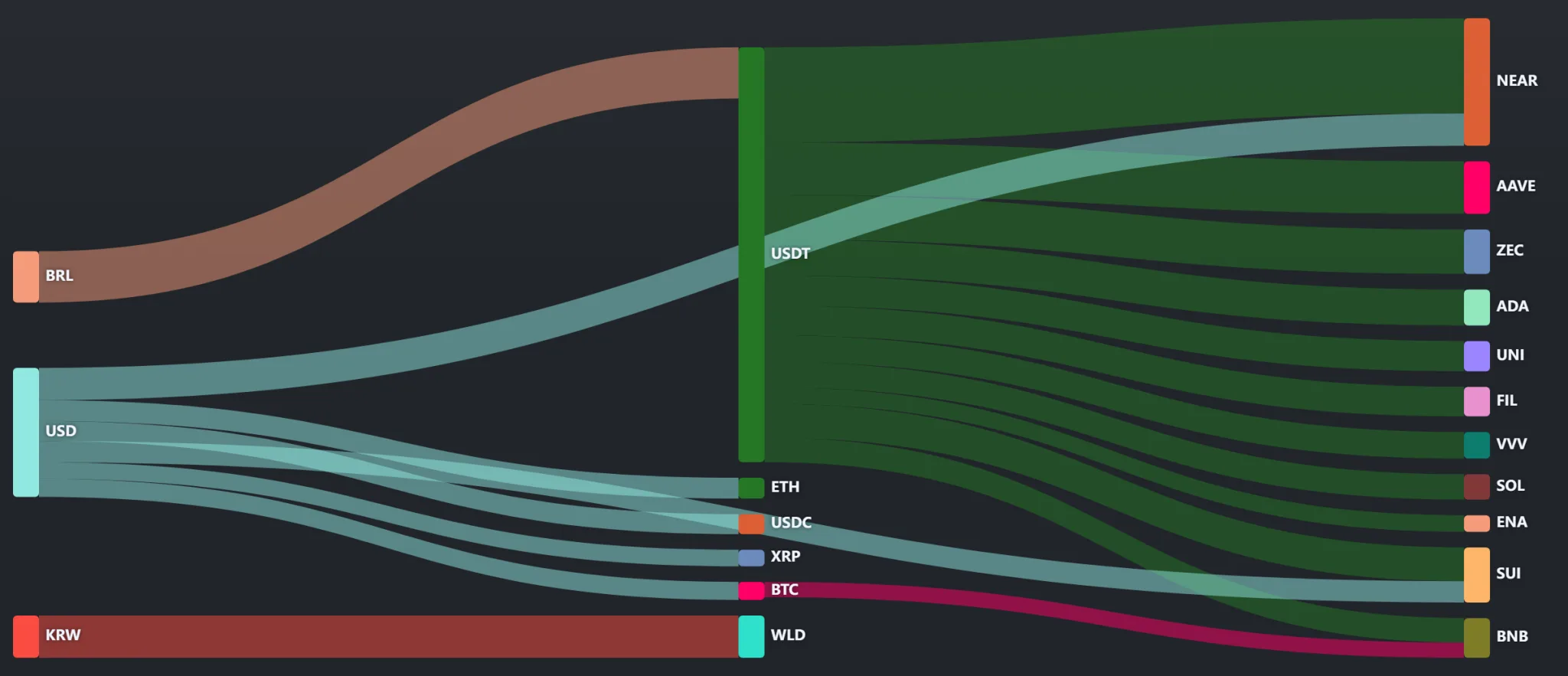
NEAR draws $7.43 million as Bitcoin sees $4.90 million outflow
NEAR led crypto inflows with $7.43 million over five hours, while Bitcoin posted the largest outflow at $4.90 million. Stablecoins and fiat currencies also showed notable rotation.

Is Bitcoin's price rally losing steam after realized profits hit $1.03B?
ETF outflows hit $409 million in just 9 days in the month of October.
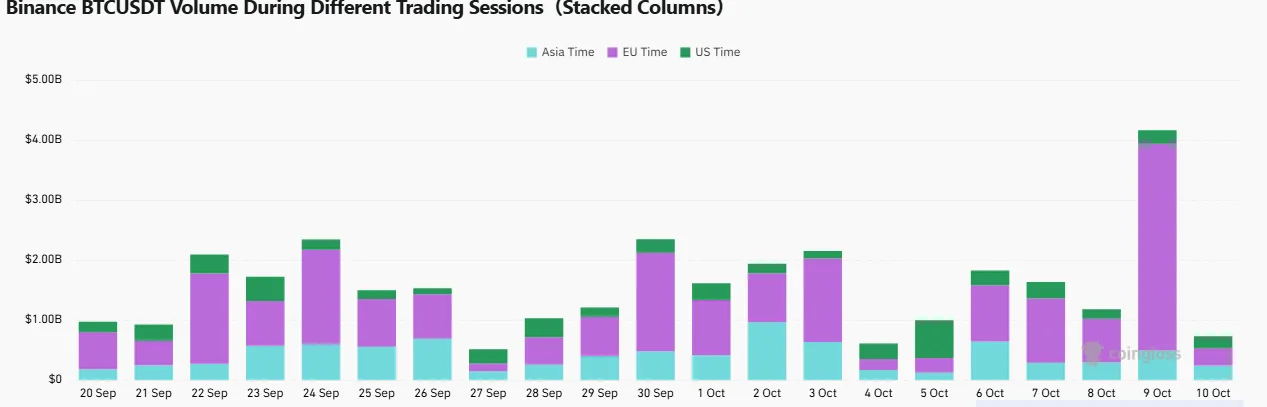
Global liquidity radar: Exchange net inflow at 0 BTC as Asia volume drops 51%, U.S. 10%
Major exchange bitcoin reserves were flat on the day at about 2,435,394 BTC, but weekly and monthly outflows continued. Binance BTCUSDT volume fell across Asia, Europe and U.S. sessions.

Coinbase Bitcoin Order Book Shows $5.11 Million Sell Order Near $82,871
The 61.63 BTC ask was about 0.42% above a midpoint of $82,523, while nearby sell depth exceeded buy depth by $538,000.

BlackRock ETF clients buy $22.38 million worth of Bitcoin
BlackRock's ETF inflows highlight growing institutional interest in Bitcoin, potentially stabilizing its market and influencing broader adoption. BlackRock ETF clients buy $22.38 million worth of Bitcoin.
U.S. Spot Bitcoin ETFs Post $21.1 Million Net Inflow on Oct. 9
The daily inflow reversed the previous session's $244.1 million outflow, but five-day flows remained negative at $678.9 million.

Bitcoin Buy Wall Near $81,000 Is Pulled and Reposted Lower
A roughly $50 million bid was canceled after Bitcoin approached $81,234 on Oct. 8, then reappeared at $77,888.

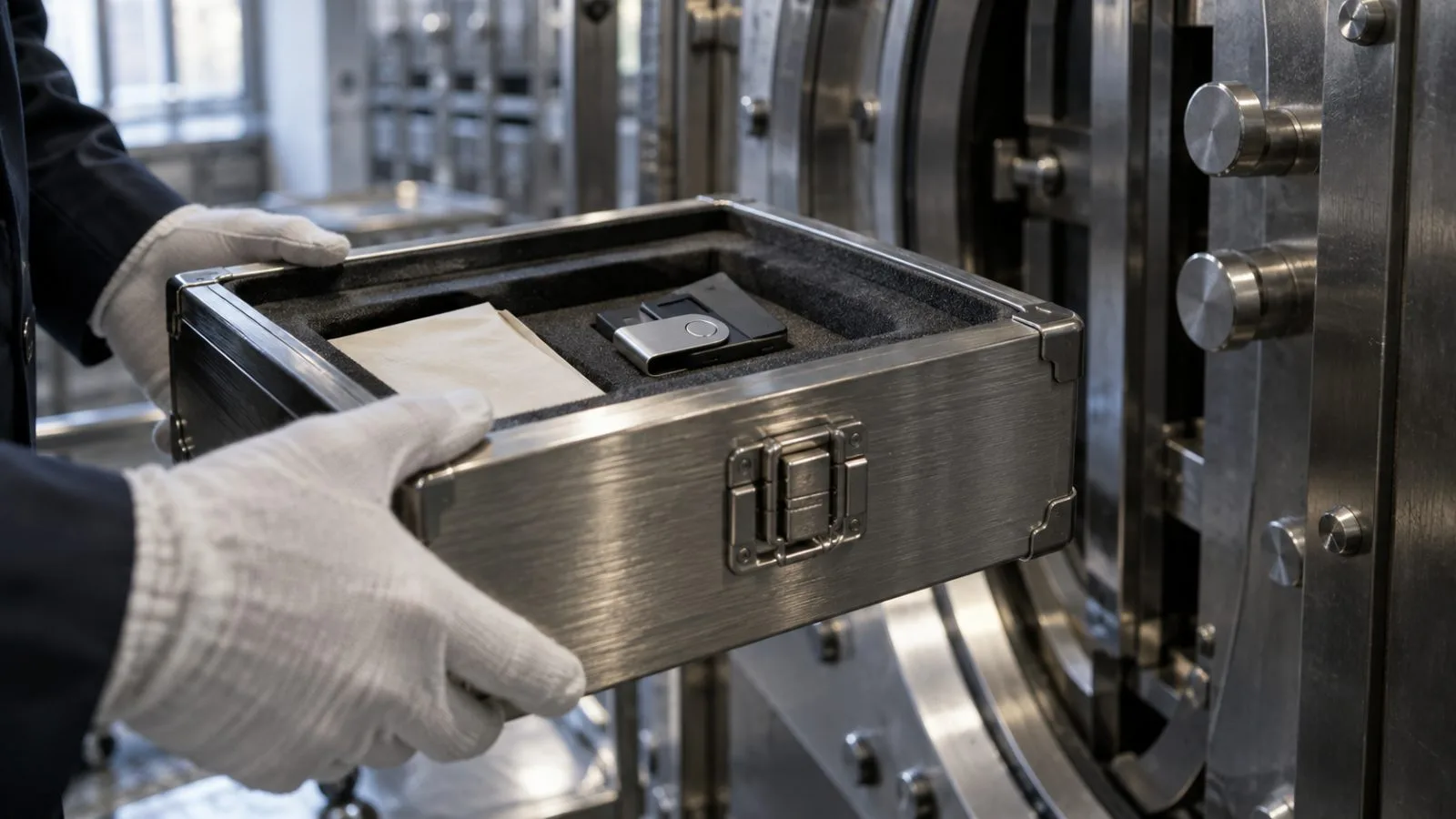
Anchorage Digital Offers Bitcoin Treasury Firms Two Routes Into Sui Hashi
The Atlas and Porto infrastructure is designed for qualified-custody and self-custody users as Hashi prepares a phased mainnet rollout later in Oct. 2026.

Bitcoin treasury companies get two Anchorage routes into Sui's Hashi
Anchorage Digital joins Sui's Hashi as a day-one partner, offering public companies and treasury firms two routes to use BTC as collateral this month.
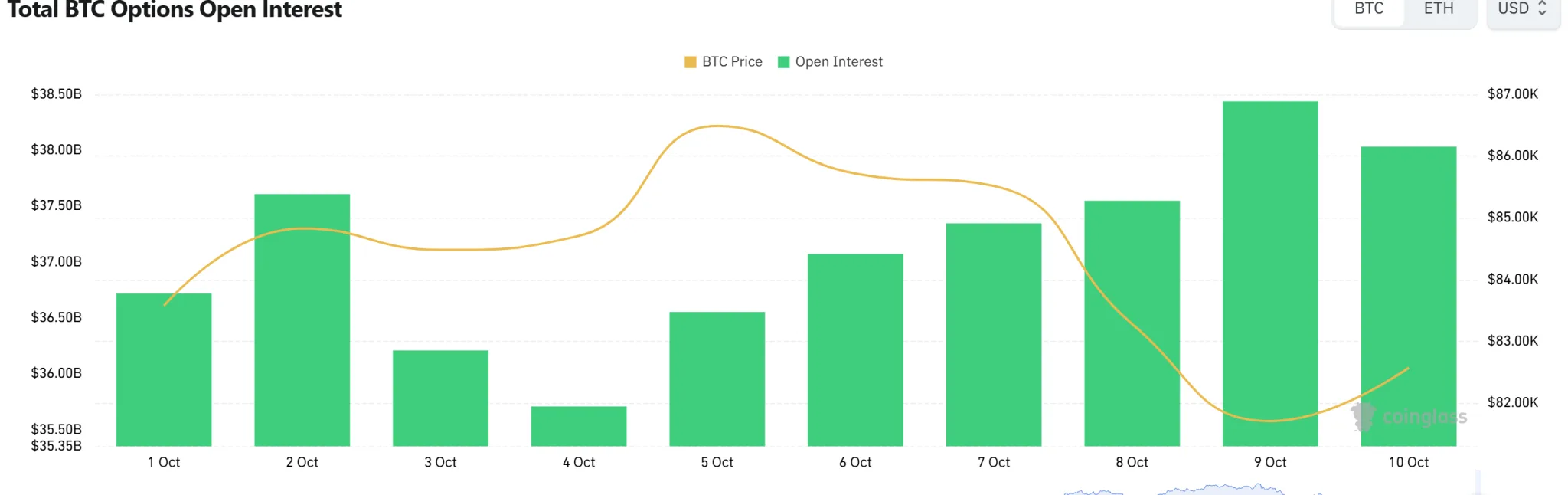
Bitcoin options OI at $37.39 billion as top volume contracts cluster in puts
Bitcoin options open interest fell 1.19% to $37.39 billion, with calls dominating OI while the most active contracts by volume were puts on Deribit.

Meanwhile Raises $37.5 Million as Demand Grows for Bitcoin Life Insurance
The Bermuda-based insurer has raised more than $180 million as it expands products for wealthy clients outside the United States.

Binance Bitcoin Perpetual Book Shows $8.3 Million Sell Order
The 100.534-Bitcoin order was priced at $82,585, about $4 above the observed midpoint, as sell-side depth exceeded buy-side depth by $4.5 million.




