


Bitcoin
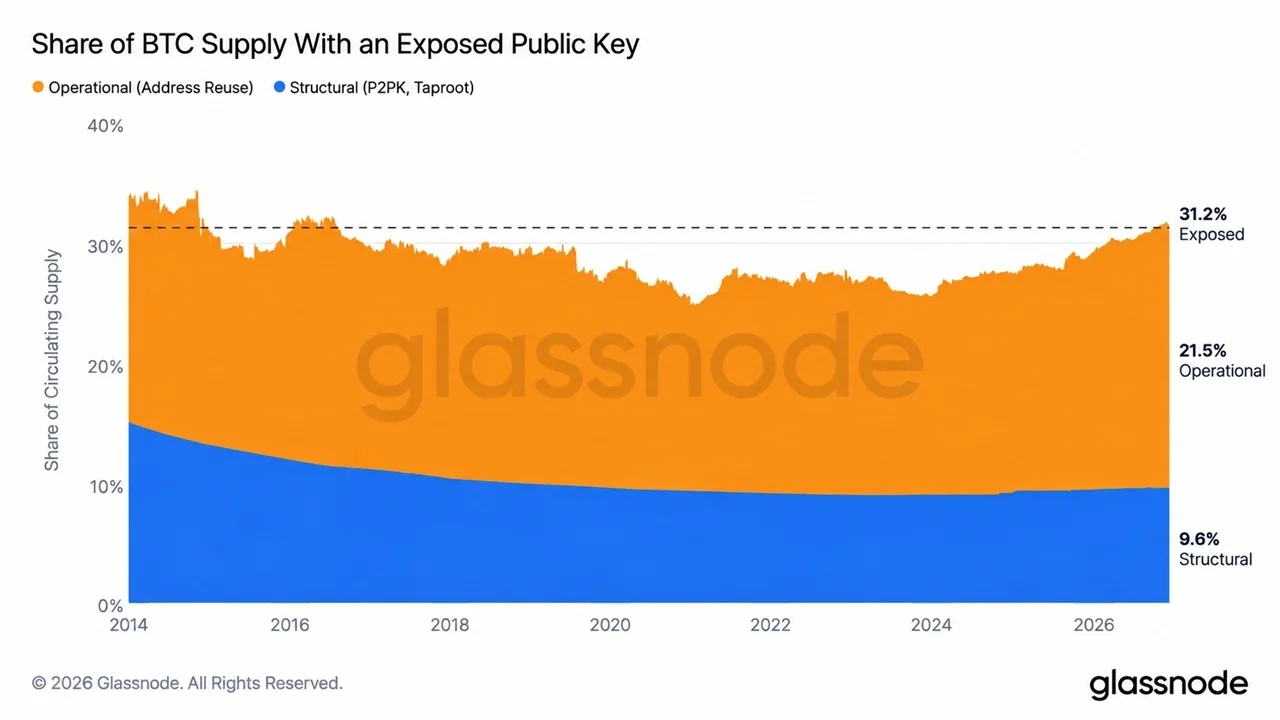
Glassnode: Over $500B in Bitcoin Is Sitting Behind Keys Anyone Can Read
Glassnode says 6.26 million BTC, or 31.2% of supply, now sits in addresses whose public keys are already visible onchain. The count is rising just as an AI-driven cryptography scare hits the market.

Dark web drug market operator sentenced to 40 years, forfeits $101 million in bitcoin
A man from Virginia, who facilitated millions of drug transactions worth roughly $430 million, agreed to give up $100 million worth of BTC. His partner forfeited nearly 1,600 BTC.

Is Uptober Canceled? Bitcoin and Ethereum ETFs Lose $316 Million in One Day
Bitcoin and Ethereum ETFs extended their October losses as institutional selling intensified and the crypto market faced fresh pressure.

Sam Altman-backed bitcoin insurer Meanwhile secures $37.5 million in Bain Capital Crypto-led round
Meanwhile has signed 15 brokers serving high-net worth clients across markets iSwitzerland, Singapore, Hong Kong and the UAE.

Why Bitcoin could crash below $80K today after another failed rebound
Bitcoin faced renewed pressure over the last few days as higher oil prices and rising US Treasury yields encouraged investors to reduce risk exposure. The continued disruptions to Middle East energy supply chains linked to the US-Iran conflict pushed Brent crude above $100 a barrel and the US 10-year Treasury yield beyond 5.3%. Those moves heightened concerns about inflation and financial conditions, weighing on Bitcoin's ability to sustain a recovery. Higher oil prices and yields dampen risk appetite Rising energy costs can complicate the inflation outlook, while higher Treasury yields increase the appeal of interest-bearing investments. Together, those pressures contributed to a more cautious trading environment for Bitcoin and other assets sensitive to changes in risk appetite.

Bitcoin's $74,600 Cost Basis Becomes Key Market Level
Bitcoin has fallen about 7% from its recent high as short-term-holder flows and government-linked wallet movements add pressure to the market structure.

Bitcoin Price Analysis: Why $74,600 Is the Key BTC Support Level
Bitcoin faces renewed selling pressure as government transfers and short-term holder losses put $74,600 support in focus.

Your Bitcoin or Crypto AI Agent Might Upsell You: Here's How to Fix It
Giving an artificial intelligence (AI) agent access to your bitcoin, stablecoin or other crypto asset wallet might cost you in an unexpected way. If the agent thinks you're wealthy, it might upsell you. Similarly, access to your other financial information could work against you.

Bitcoin Stays Steady Amid Ethereum's Weekly Decline and Market Trends
Bitcoin steadies near $82,555 while Ethereum drops 8.2% over seven days.

U.S. Spot Bitcoin, Ether ETFs Near $1 Billion in October Outflows
Bitcoin products lost $407.4 million and Ether products lost $578.9 million through Oct. 9, while Ether ETFs recorded an eight-session outflow streak.

Bitcoin Price Sits at $82K as Thailand Opens the Door to Bitcoin ETFs
Thailand's securities regulator has finalized the rules for bitcoin and ether exchange-traded funds (ETFs), and the first products can list from Oct. 16. The catch, however, is that the local market they are built for has lost more than half its active traders since 2024.

MARA Holdings Sells 996 Bitcoin Valued at $81.13 Million
The transaction adds a major corporate Bitcoin sale to market monitoring as traders assess activity among mining companies.


