





Bitcoin

Glassnode Reveals Bitcoin New Money Inflows Near $5B With BTC Rally Stalling
Glassnode recorded $4.9 billion in new capital inflows into Bitcoin during the 30 days leading up to October 5. Existing investors accounted for approximately 60% of the $12.8 billion increase in BTC's realized capitalization. Short-term holders accounted for 86% of profitable transfers to exchanges on a day when Bitcoin surpassed $85,000.

US Bitcoin ETFs Lose $485 Million, Erasing October Gains
The Wednesday withdrawals were the largest since June 25 and pushed October's net flows to about $163 million in outflows.

US government moves 17,795 Bitcoin worth $1.5 billion in three days
The movement of such a large Bitcoin reserve by the US government could influence market dynamics and investor sentiment significantly. US government moves 17,795 Bitcoin worth $1.5 billion in three days.

Citi Raises 12-Month Bitcoin Target to $113,000 Amid Mixed Signals
The bank also lifted its Ether target to $3,028 as crypto inflows increased despite unusually low trading volume.

Bitcoin Breaks Above $82,000 As Price Reaches $82,200
Bitcoin traded at $82,200 on Binance spot at 10:03 a.m. ET (14:03 UTC) Oct. 8 after moving above $82,000.
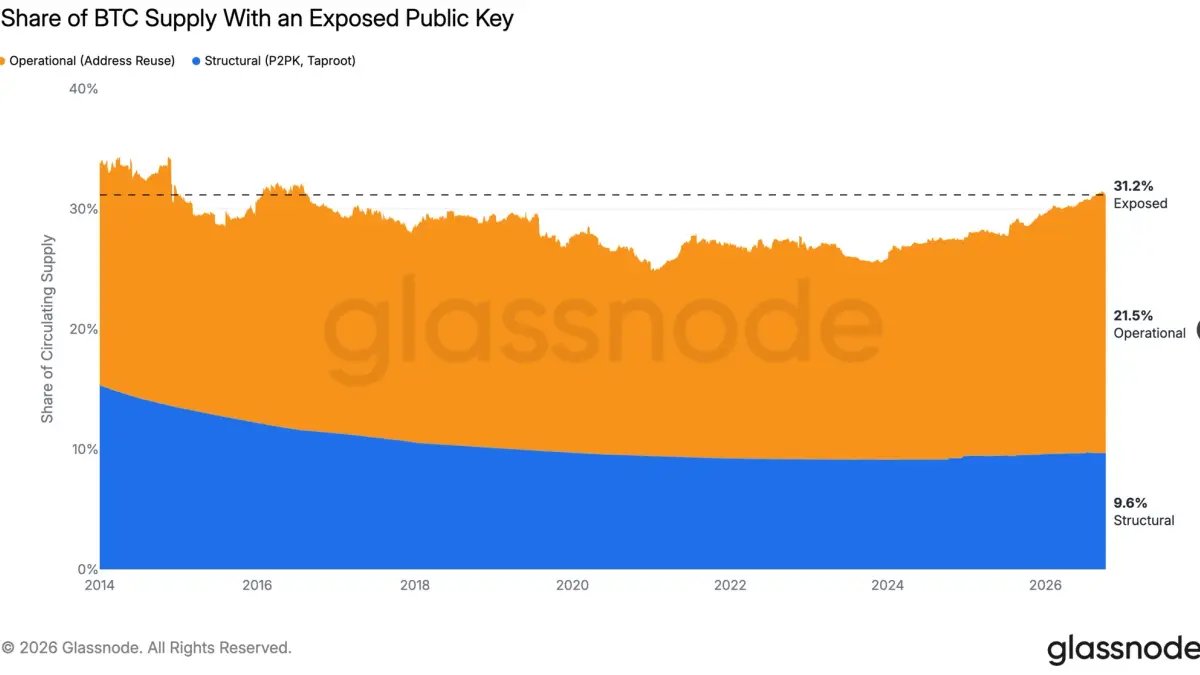
Over 6 million bitcoin sit behind exposed public keys as AI warnings mount
Glassnode co-founder's latest figures show growing public-key exposure as Justin Drake urges preparations for potential AI attacks on wallet cryptography.
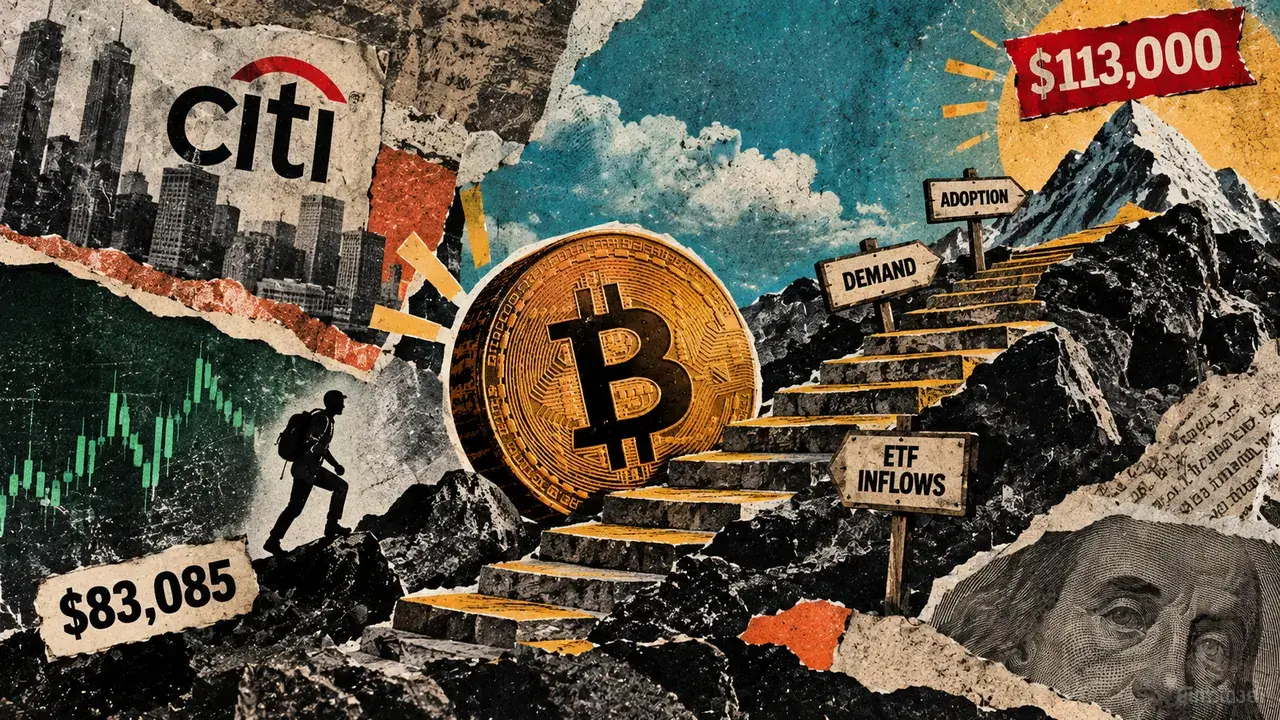
Citi predicts Bitcoin going back to $113,000. Here's what the buying data shows
The twelve-month forecast sits below Bitcoin's prior record, while fresh Glassnode data leave broad buying participation uncertain.

U.S. Government-Linked Address Moves $1 Billion in Bitcoin
The address transferred 12,267 BTC at 9:33 a.m. ET Thursday after related wallets sent more than 6,200 BTC to Coinbase Prime over two days.

U.S. Government-Linked Wallet Moves $1.006 Billion in Bitcoin
The wallet transferred 12,267.02 BTC, with 6,000 BTC sent to a new address in two transactions.

‘Bunker Mode'? Crypto Experts Argue Over AI Threat to Bitcoin, Ethereum
Blockchain researcher Justin Drake is urging cryptocurrency holders to prepare for “bunker mode,” warning that artificial intelligence (AI)-driven mathematical discoveries could threaten the cryptography protecting Bitcoin and Ethereum. His proposed defense is surprisingly simple: move assets to fresh addresses that haven't exposed their public keys.

Van Straten Identifies Gold, Equities and Stablecoins as Bitcoin Drivers
James Van Straten said rotation out of gold, a possible correction in U.S. equities and stablecoin inflows could shape Bitcoin's next rally.

StoneX Strategist Sees Broader Market Risks, Stays Bullish on Bitcoin
Vincent Deluard expects to turn bearish on stocks after November while citing rising U.S. Treasury yields, oil prices and French bond-market stress.




