





Bitcoin

Bitcoin ETFs Pull In $118.8M as Ethereum Suffers Biggest Outflow in Weeks
Bitcoin and Ethereum ETF flows moved in opposite directions as BTC funds added $118.8 million and ETH products lost $201.9 million.

Bitcoin Rejection Near $87,000 Drives $555.6 Million Liquidations
Bitcoin fell below $85,000 after failing to clear $87,000, while long positions accounted for $487.2 million of the forced closures.

Bitcoin Rebounds Nearly 50% as Buyer and Seller Activity Stays Low
Bitcoin is trading around $64,000 to $65,000 as subdued participation leaves the recovery facing limited activity from both sides of the market.

Why is crypto down today? Bitcoin's $87K rejection, $550M liquidations, and more
Crypto markets are absorbing a sharp leverage reset as Bitcoin's decline triggers heavier losses across major assets.

Bitcoin (BTC) and XRP Dominate Solana and Other Spot ETFs
Bitcoin and XRP are dominating the U.S. crypto spot ETF market, with the latest fund data showing a substantial gap between them and products tracking Solana and most other cryptocurrencies.

$23 Million in Bitcoin (BTC) Tied to 2016 Bitfinex Hack Transferred to Coinbase by US Marshals
Federal authorities executed a significant Bitcoin transfer to Coinbase this week, linked to one of the cryptocurrency industry's most notorious security breaches. On October 6, 2026, blockchain addresses associated with the US Marshals Service dispatched approximately 264.863 BTC—valued near $22.87 million—to Coinbase custody.
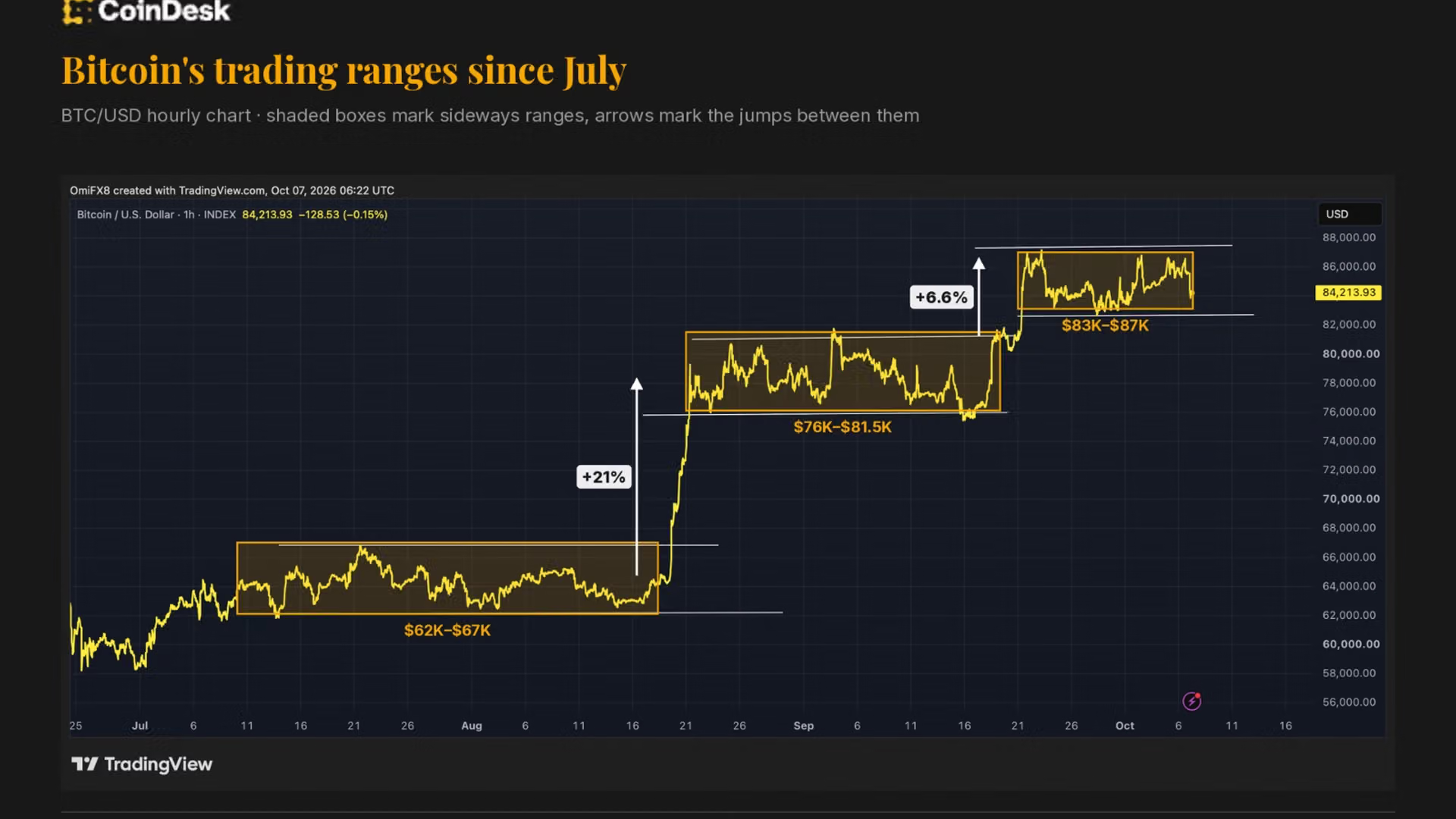
Down but not out. Bitcoin's stair-step bullish trajectory is still intact
Bitcoin dipped to around $84,200 on Wednesday but stayed inside its recent range, keeping the broader bullish stair-step trajectory intact.

24,000 BTC Just Left Exchanges: Is Bitcoin's (BTC) Supply Crunch Heating Up?
Bitcoin exchange reserves are falling as large withdrawals indicate that some investors may be positioning for longer-term holdings rather than selling.

Bitcoin Supply in Profit Holds Near 60% After Excluding Dormant Coins
The measure has stayed near 60% since August when coins inactive for more than 10 years are excluded, limiting the impact of illiquid or potentially lost holdings.

DOJ Uses Bitcoin Fog Ruling to Defend New York Venue in Storm Case
Prosecutors say Manhattan Tornado Cash activity supports keeping money-laundering and unlicensed money-transmission charges in New York.

Bitcoin Holds Near $84,228 as Technical Levels Mark $82,970 Support
The setup places resistance at $86,092 and $87,956, while mixed momentum and derivatives readings point to limited directional pressure.

Bitcoin Drops $1,600 in Two Hours as Selling Pressure Peaks
Bitcoin fell from $85,500 to $83,900 early Wednesday as selling pressure and long liquidations reached extreme readings before a modest rebound.




