





Bitcoin

Fidelity Names Bitcoin as Key Diversifier Beyond Stocks and Bonds
Bitcoin is one of the assets that can provide diversification beyond traditional stock-and-bond portfolios, according to Jurrien Timmer, director of global macro at Fidelity Investments.

Bitcoin Breaks Above $86,000 to Reach $86,021 on Binance Spot
TokenPost's spot-market snapshot was recorded at 2:41 a.m. ET (06:41 UTC) Oct. 2.

Bitcoin Lightning security alert issued as attackers target older Core Lightning nodes
Core Lightning has warned Bitcoin Lightning Network node operators to upgrade immediately after receiving reports that attackers are targeting systems still running version 26.06.7 or earlier.

Spot bitcoin ETFs log $2.7 billion in September inflows as institutional demand holds
US spot bitcoin ETFs recorded $2.65 billion in net inflows in September, their second-largest monthly inflow since October 2025.
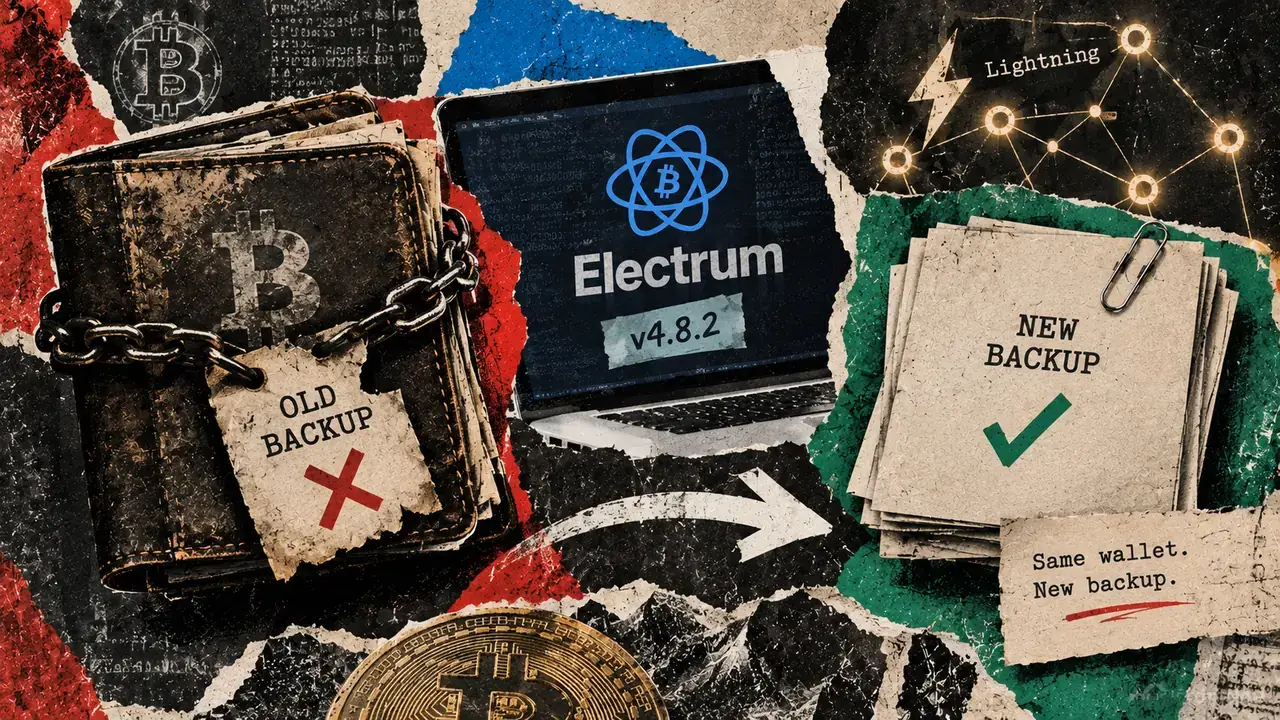
Electrum patches Lightning flaw, but old Bitcoin backups break
September's security fix repairs exports, but older backups for anchor channels with non-deterministic Lightning keys still need replacing.

Bitcoin Starts October at $85K, Eyes $95K?
Bitcoin closes September at $83,563 and Bitget Wallet holds a range from $78,000 to $95,000 for October. Cointribune calculates the gaps and the macro events to follow.

El Salvador gets $138M after IMF waives Bitcoin rule breach
IMF approved about $138M for El Salvador after waiving a Bitcoin accumulation breach and urged the government to reduce its crypto role.

U.S. Spot Bitcoin ETFs Reverse Course With $102.7 Million Inflow
BlackRock's IBIT led fund inflows with $195.6 million on Oct. 1, offsetting withdrawals from several other funds.

Bitcoin Breaks Above $86,000 as Price Rises 2.18% Intraday
Bitcoin was trading at $86,000.20 in the Oct. 2 update.

Bitcoin Rises 1.32% in One Hour to $86,381 as Shorts Are Liquidated
The move put Bitcoin up 3.17% over 24 hours. Short liquidations across Binance, Bybit and OKX totaled $45.96 million during the same hour.

Binance Liquidates $11.73 Million Bitcoin Short Position in One Event
The liquidation occurred at $86,310 at 1:20 p.m. ET (5:20 p.m.

Bitcoin Shorts Face $45.96 Million in Liquidations Over One Hour
Bitcoin rose 1.32% during the hour, from $85,260 to $86,381, as short positions accounted for nearly all liquidations.




