





Bitcoin

Bitcoin Privacy Breakthrough a Zcash Killer? | Misha Komorov, Alloc Innit
Misha Komarov explains Shielded Bitcoin—a proposed ZK privacy protocol using Bitcoin PIPEs to hide transactions with no soft fork needed.

Bitcoin's Institutional Era Has Arrived | Robinhood VP of Crypto Institutions Nicola White
Robinhood VP Nicola White explains how 10x crypto perpetual futures arrived in the US and why Robinhood is pushing for 24/7 global markets.

Mark Moss: The Bitcoin Endgame – BTC to $1 Million by 2030
Mark Moss explains why Bitcoin keeps climbing post-Fed rate hike, benefiting from both currency debasement and a booming tech future.

Michael Saylor Explains Why Bitcoin Credit Issuers Could Thrive Together
Michael Saylor formally categorized institutional treasury assets into digital capital, digital credit, and digital equity in a corporate paper on September 30, 2026. The Smarter Web Company posted a 66.4% gain on the London Stock Exchange across 2026, closing at 69.49 pence at the end of the September 30 trading session.

Bitcoin Whales Resume Buying as Retail Investors Stay on the Sidelines
Bitcoin's largest wallet cohorts have resumed accumulation, adding more than 41,000 BTC in 10 days while smaller retail wallets remain largely unchanged. The shift comes after BTC climbed above 87,400. Institutional demand also remains active, with U.S. spot Bitcoin ETFs attracting $2.4 billion last week and corporate treasuries continuing to add BTC.

Arthur Hayes Doubles Down on Bitcoin to $1M, Here's the Potential Timeline
Bitcoin (BTC) price was trading near the flatline today at the time of writing, but Maelstrom CIO Arthur Hayes has fueled discussions with his latest prediction. He has once again called for a likely BTC rally to $1 million, and unlike his prior calls, this time he has also provided a potential timeline for that.

Bitcoin Holds in Low $83,000s as Leverage Is Largely Cleared
Open interest in bitcoin perpetual futures fell below $55 billion after a Sept. 23 liquidation event, leaving the market's next sustained move dependent on spot demand.
Bitcoin Price Holds $83K as Bitfinex Says Leverage Has Cleared
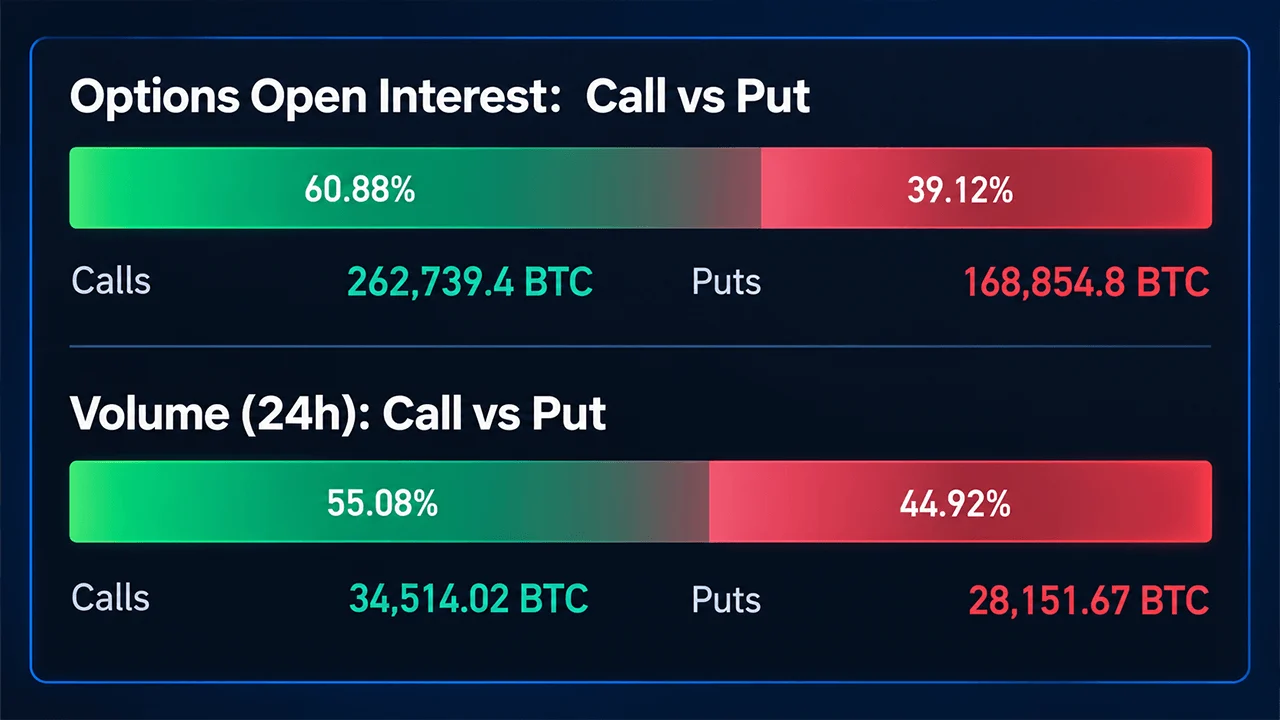
Bitcoin calls represent 60.88% of options open interest, while Deribit's October max-pain level sits near $76,000, below bitcoin's current $83,719 spot price. Futures exposure totals approximately $53 billion, led by Binance and CME.

Bitcoin Bull Market Shows Signs of Cooling: CryptoQuant
Bitcoin holders are taking more profits, spot demand is weakening, and more altcoins are moving into exchanges as BTC nears key support levels.

Bitcoin's Biggest Holders Ramp Up Buying While Retail Traders Remain Flat
Bitcoin's largest holders are increasing their positions again, creating a divergence from smaller retail investors who remain inactive.

Bitcoin needs stronger spot demand after 42.5% Q3 rally, Bitfinex says
Bitcoin has gained about 42.5% heading into the end of Q3, but Bitfinex analysts have warned that another sustained advance will require stronger spot buying as leverage falls and ETF inflows slow. Bitfinex Alpha reported on Sep.

El Salvador Rejects Stablecoin Pivot as Bitcoin Reserve Hits 7,790 BTC
El Salvador's National Bitcoin Office denied that the government is pivoting toward stablecoins, saying it has no plans to launch or operate any Bitcoin, crypto or stablecoin wallet. The clarification follows the sale of Chivo Wallet to a private operator and controversy around Sivar, a stablecoin-based remittance application operating on Base.




