





Bitcoin

Strategy Posts $8.22B Q2 Unrealized Loss as Bitcoin Price Falls Below Cost Basis
Strategy just released its Q2 2026 earnings report, noting an $8.22 billion unrealized net loss as Bitcoin (BTC) traded near $65,000, well below the average cost basis of $75,476. This massively exceeded Wall Street projections of $2.15 billion. Headwinds during this time included economic downturns, geopolitical conflict, and lower product support revenues.
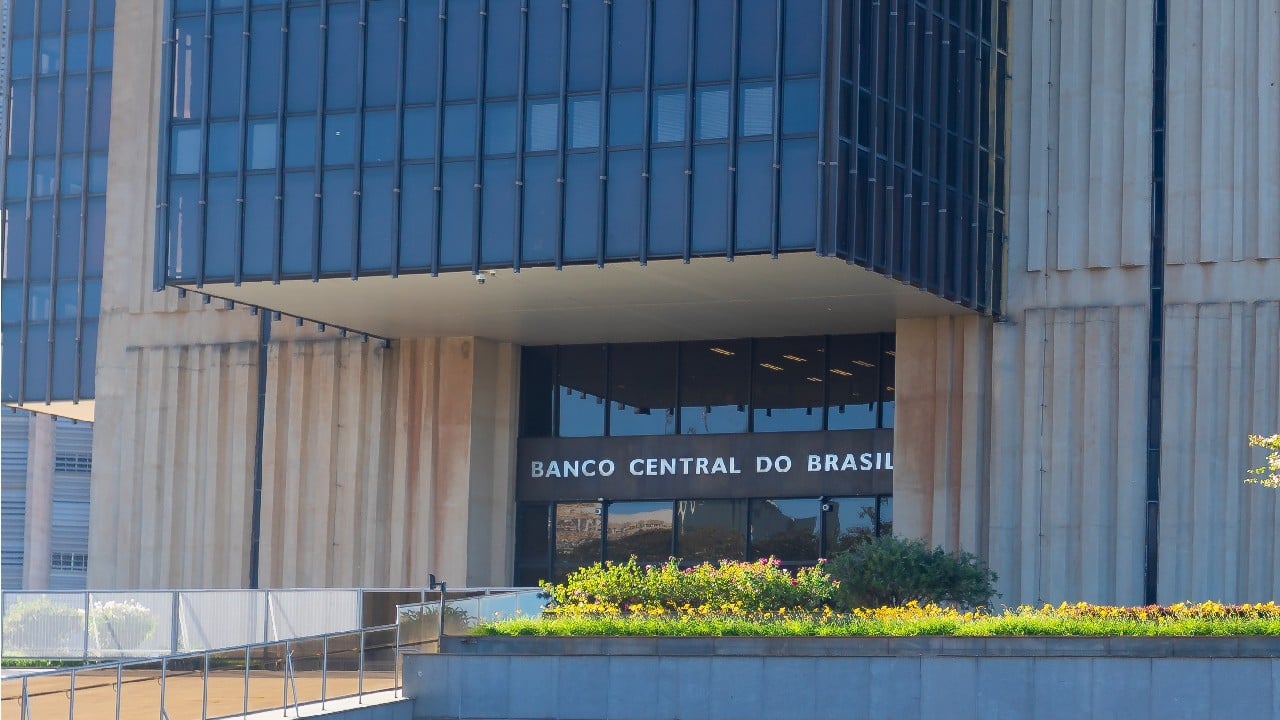
Stablecoins Eclipse Bitcoin in Brazil as Demand Hits $14.68B
The Central Bank of Brazil reported that demand for cryptocurrency assets, including bitcoin, ether, and stablecoins, reached over $14 billion during the first half of 2026. This represents a 135% increase over H1 2025, indicating continued demand expansion.
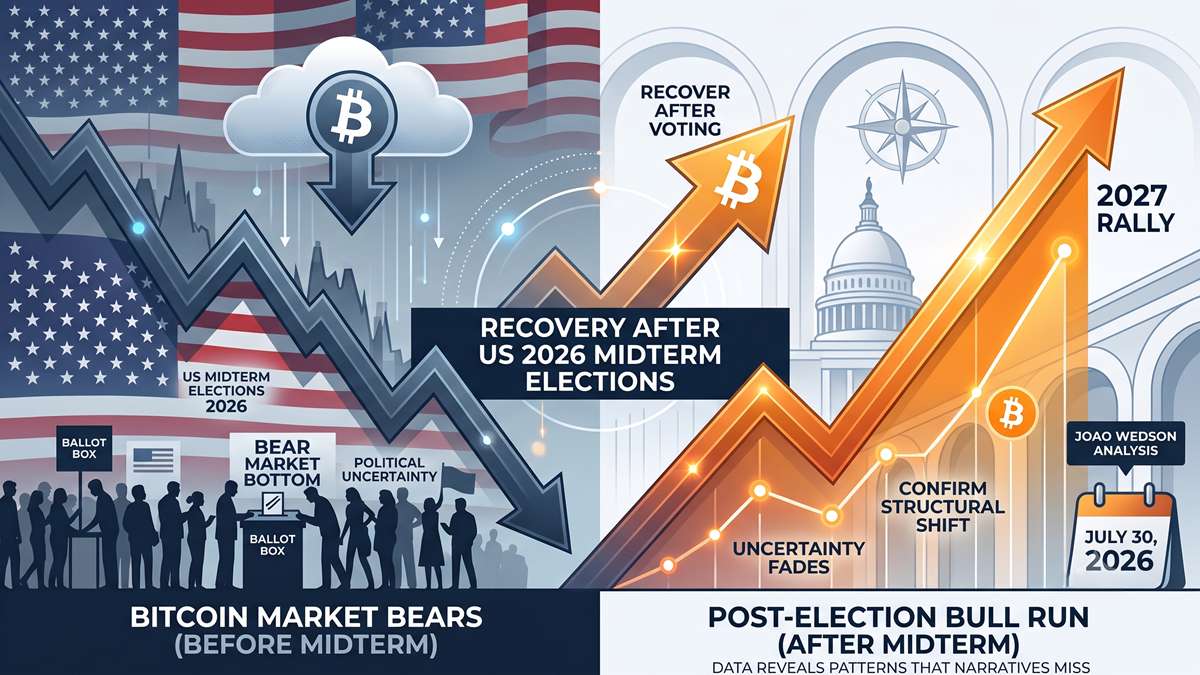
Analyst Predicts Bitcoin Could Rally After 2026 US Midterm Elections
Bitcoin has historically entered bearish phases approximately one year prior to each US legislative election. A Binance Research report notes that the asset dropped an average of 56% during completed midterm cycles since 2014. Previous presidential elections showed a different behavior, with sharp rallies following candidates' victories.

Strategy posts $8.33B loss as Bitcoin holdings sink
Strategy reported an $8.33 billion second-quarter operating loss after Bitcoin's 27% decline this year drove a sharp reduction in the value of its digital asset portfolio. Strategy's Bitcoin decline drives $8.

Strategy posts $8.3 billion operating loss as Bitcoin falls 27% year to date
Strategy reported an $8.33 billion operating loss after Bitcoins 27% year to date decline produced an $8.32 billion unrealized digital asset loss. Strategy posts $8.3 billion operating loss as Bitcoin falls 27% year to date.

Bitcoin struggles to turn US GDP miss into bullish catalyst as strong spending backs Fed caution
Bitcoin briefly topped $65,000 on Thursday after US economic growth fell short of forecasts. Data from CryptoSlate show the largest cryptocurrency trading near $64,729 as of press time after reaching an intraday high of $65,071 and recovering from a low of $63,205.

Strategy books $8.2 billion second quarter loss on bitcoin price decline
The world's largest corporate bitcoin holder says it has built a cash reserve covering more than two years of dividend payments after investors questioned its growing stack of preferred securities.

3iQ to Manage Bhutan GMC's Bitcoin Treasury Under New Strategic Partnership
Custody agreement: Firm 3iQ was selected to manage a portion of Gelephu Mindfulness City's Bitcoin funds in Bhutan. National reserves: The Kingdom of Bhutan records an approximate balance of 5,600 BTC in its state treasury as of July 2026.

Hyperscale Data sells 100 BTC to fund AI center
Hyperscale Data has sold about 100 Bitcoin and secured a BTC-backed credit facility to finance construction of its artificial intelligence data center in Michigan.

China Business Journal warns of fraudsters demanding Bitcoin payments in impersonation scam
The scam highlights vulnerabilities in digital communication, emphasizing the need for enhanced cybersecurity measures and public awareness to prevent fraud. China Business Journal warns of fraudsters demanding Bitcoin payments in impersonation scam.
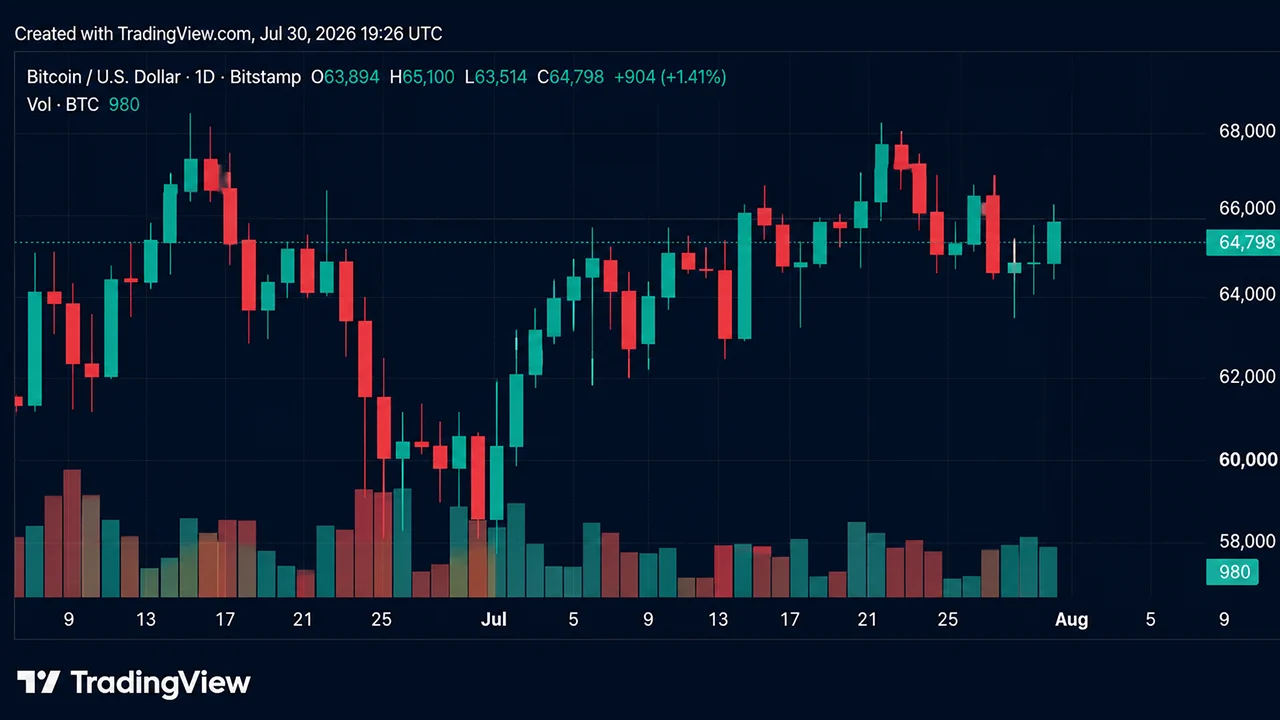
Bitcoin Reclaims $65K as July Gains Top 10% After Fed Pause
Following the Federal Reserve's decision to hold interest rates steady, Bitcoin briefly surged past $65,000 to a daily peak of $65,100 before facing selling pressure. It settled around $64,700, pushing its market cap to $1.3 trillion and keeping it on track for an over 10% gain in July.

Treasury Secretary Invokes Bitcoin Creator Satoshi Nakamoto in Plea for Clarity Act
Scott Bessent urged the Senate to immediately vote on the crypto market structure bill, accusing Democrats of delaying the legislation for political reasons.




