





Bitcoin

Long-term bearish trend threatens Bitcoin Cash's recovery from $200
The mid-July rally peaked at $255, and BCH has been sliding lower since then.

$71M in Bitcoin, $56M Market Cap: Why Hyperscale Data Isn't the Easy Buy It Appears
Hyperscale Data held 1,106.0467 BTC worth about $71.7 million, exceeding its roughly $56.4 million market capitalization by approximately $15 million. The apparent discount is complicated by $216.7 million in total liabilities, a $90.1 million preferred liquidation preference and potentially restricted Bitcoin collateral.

Analyst Dismisses Strategy as Cause of Bitcoin Decline, Points to Weak Market Demand
Jamie Coutts rejects claims that Strategy caused Bitcoin's decline, arguing weak demand and tightening global liquidity better explain the market reversal across markets. Long-term holder selling peaked last year, while Coutts now believes an earlier risk-model warning may have marked the top of the entire cycle.

Three key demand drivers stall at once, leaving Bitcoin's $64,000 support to long-term holders
ETF outflows, softer perpetual buying and stagnant on-chain capital leave long-term holders carrying the immediate support test.
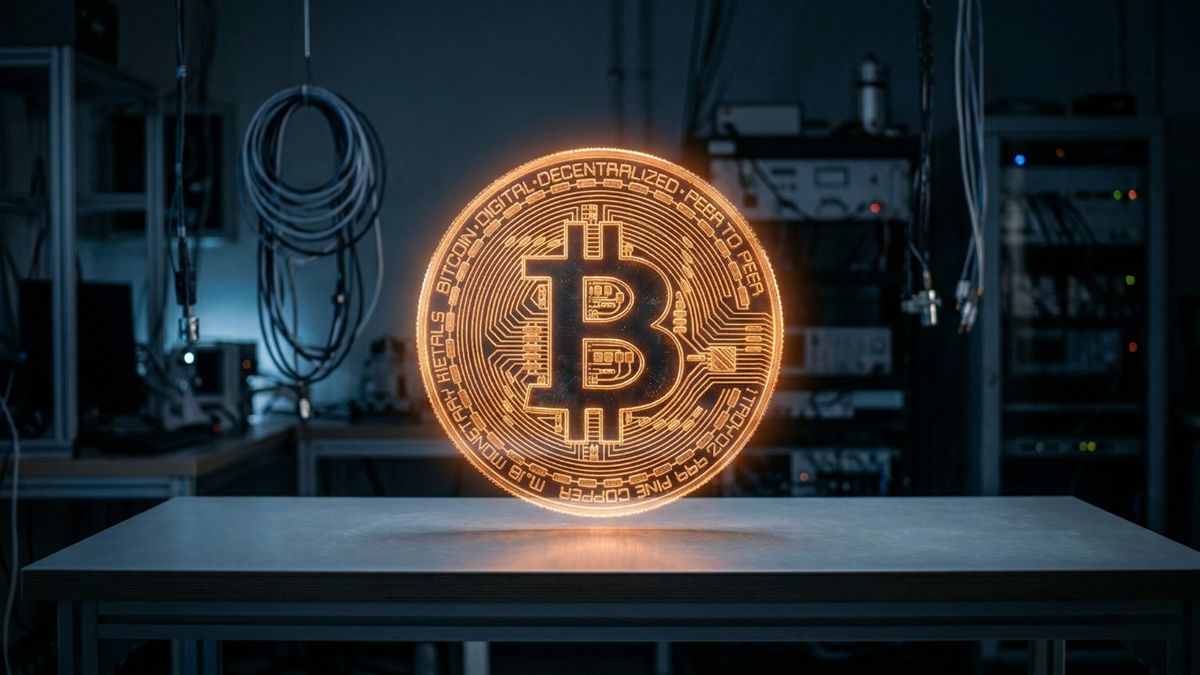
Quantum Computing Giant Warns Bitcoin Could Face Future Security Threat
D-Wave CEO Alan Baratz warns that advanced quantum machines could eventually challenge Bitcoin's proof-of-work security. The company introduced an experimental quantum proof-of-work concept designed to improve mining efficiency. Experts say current quantum systems are not an immediate threat, while the crypto industry continues researching post-quantum solutions.
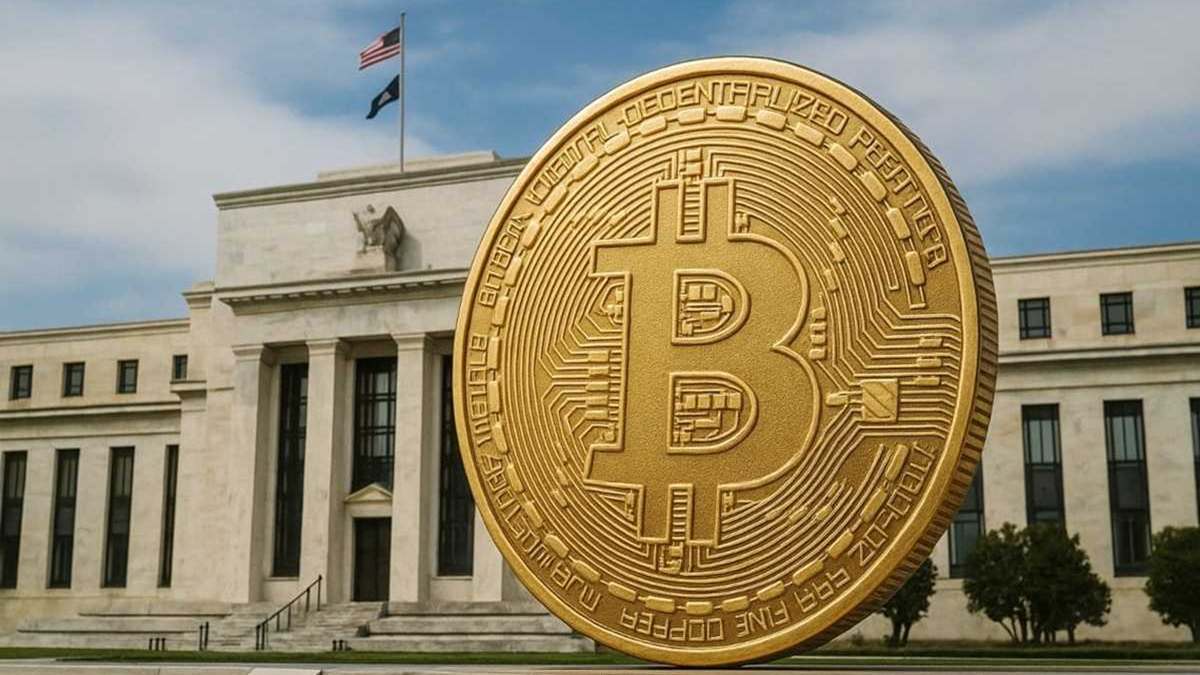
Bitcoin Swings Resume After Fed Holds Rates Steady and Traders Reassess Outlook
Bitcoin volatility returned after the Federal Reserve kept interest rates unchanged at 3.50% to 3.75% following a closely watched FOMC meeting. BTC traded near $63,553.21, with a 24-hour decline of 0.27% as investors evaluated the Fed's next policy moves.
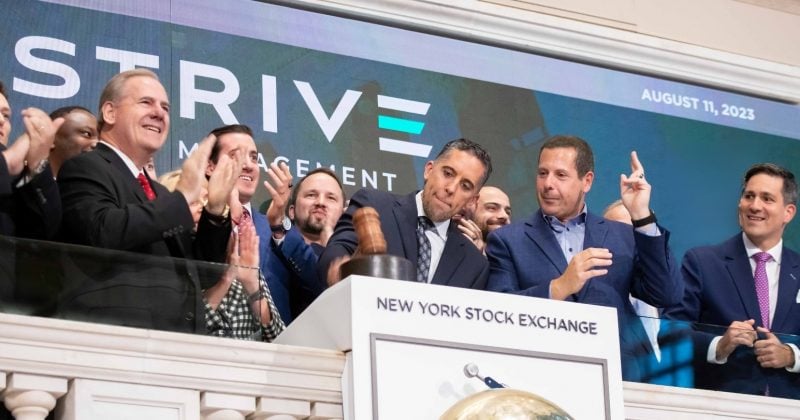
Strive CEO eyes another preferred equity raise if Bitcoin keeps climbing
Strive's potential equity raise amid Bitcoin's rise could enhance liquidity but poses risks if Bitcoin's value declines, impacting investor returns. Strive CEO eyes another preferred equity raise if Bitcoin keeps climbing.

Bitcoin's Most Powerful Defense? Satoshi Nakamoto's 16-Year-Old Message Still Resonates
On July 29, 2010, Satoshi Nakamoto posted his famous response on the Bitcointalk forum regarding doubts about Bitcoin's scalability. The asset was trading around $0.07 at the time the original message was published by its creator. The network's global market value reached all-time high quotes above $126,000 last year.
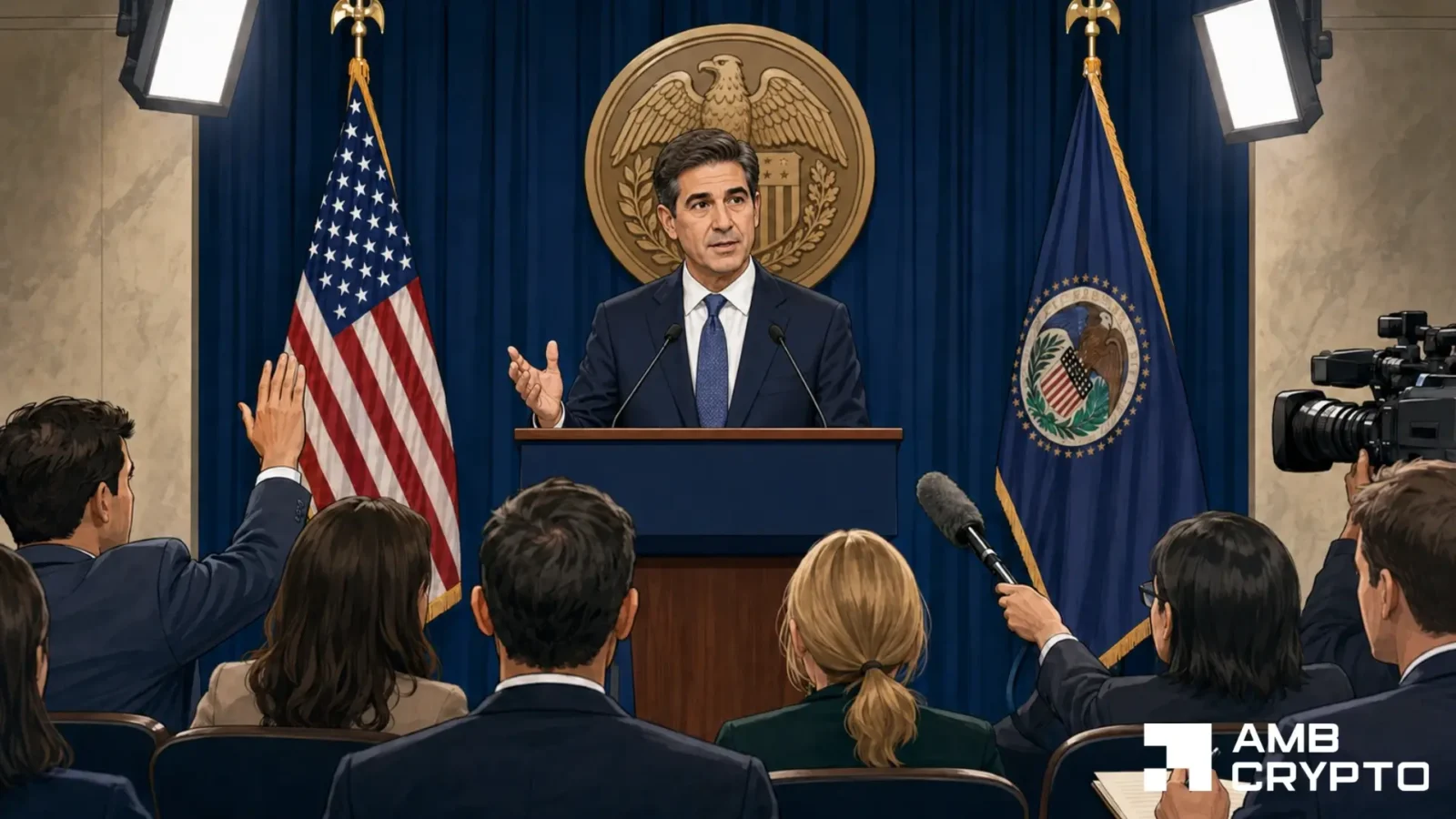
Bitcoin holds near $64K as Fed keeps rates steady, September hike remains in play
Bitcoin remained stable after the Fed held interest rates, but three hawkish dissents kept a September increase under consideration.
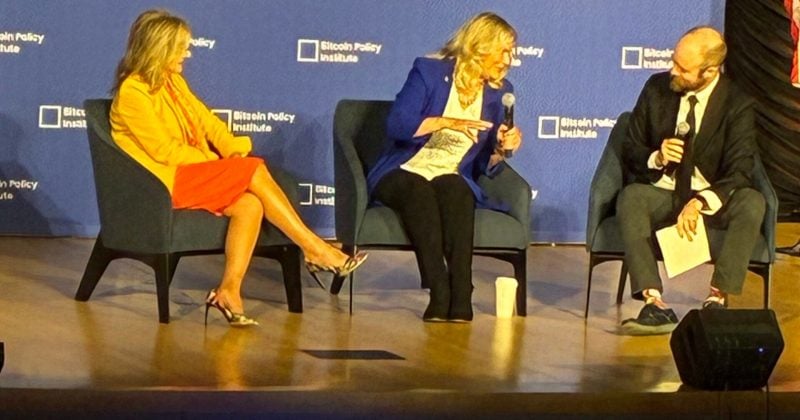
Bitcoin Policy Institute takes its AI foreign influence fight to Capitol Hill
The BPI's Capitol Hill engagement highlights the geopolitical stakes in AI infrastructure, potentially reshaping US tech policy and security. Bitcoin Policy Institute takes its AI foreign influence fight to Capitol Hill.

There's a New Way to Protect Bitcoin From Future Quantum Attacks, Researchers Say
New research outlines a cryptographic approach that could allow Bitcoin and other blockchain wallets to remain compatible with existing addresses in a post-quantum future.
Bitcoin at a crossroads! Short-term holders cash out as capital quietly flows in
Volatility masks a deeper trend of capital rotation.




