





Bitcoin

Bitcoin Holds Near $64K Ahead of Fed Decision as AI Stocks Weaken
Bitcoin traded near $64,000 on Tuesday, recovering from earlier losses as investors prepared for one of the most uncertain U.S. Federal Reserve meetings in years. While AI-driven technology stocks extended their recent decline, the leading cryptocurrency remained relatively stable, reinforcing expectations that Bitcoin may be less sensitive to the upcoming interest rate decision than traditional risk assets.

Bitcoin Liquidations Hit $15.44B as Leveraged Longs Unwind Across Crypto Market
A sweeping wave of forced liquidations ripped through crypto derivatives markets over the past 24 hours, with Bitcoin (BTC) alone seeing roughly $15.44 billion in positions wiped out—an event that traders framed less as a simple price dip and more as a rapid unwinding of overcrowded 'leveraged long' bets. The liquidation shock was not confined to BTC.

TD Cowen Reduces Nakamoto Price Target Amid Revised Bitcoin (BTC) Market Outlook
TD Cowen has significantly revised downward its price objective for Nakamoto Inc., the bitcoin-focused treasury firm associated with David Bailey, in response to an updated assessment of the cryptocurrency's trajectory.

Bitcoin, Ether Slip as June Begins
Bitcoin and Ether opened June lower, with macro tensions and U.S.-Iran conflict souring crypto sentiment despite risk-friendly equity futures.

Michael Saylor Says Bitcoin Has Won—but Warns Its Biggest Threat Comes From Within
Michael Saylor, executive chairman of Strategy, stated that the greatest risk to Bitcoin comes from within its own ranks, pointing to the controversial BIP-110 proposal. This soft fork initiative seeks to limit arbitrary data in transactions, a change in consensus rules that Saylor classifies as a direct threat against the network's security and fee market.
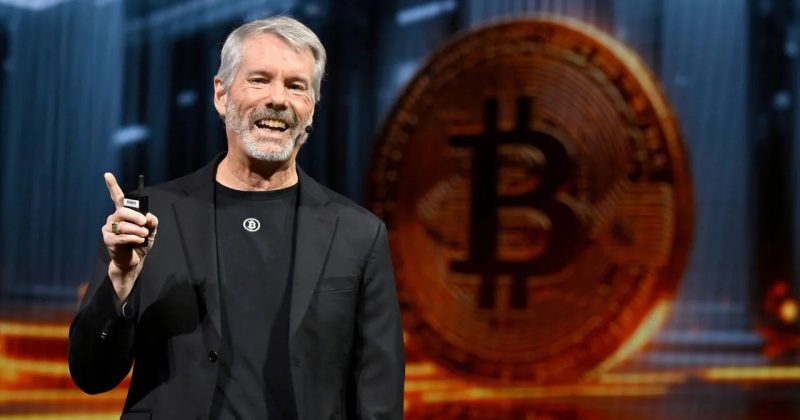
Strategy quietly sold 3,588 Bitcoin and almost nobody noticed
Strategy's Bitcoin sale suggests a shift in corporate crypto strategies, emphasizing nuanced treasury management over rigid holding doctrines. Strategy quietly sold 3,588 Bitcoin and almost nobody noticed.

Bitcoin's biggest risk comes from within, Saylor warns
Michael Saylor has warned that changes to Bitcoin's consensus rules pose a greater long-term threat than rival cryptocurrencies, governments, or external competition.

Cameron Winklevoss Says AI Trade Is Over as Capital Rotates Back Into Bitcoin and Zcash
Cameron Winklevoss says the AI Trade cycle has ended, suggesting investors may rotate capital toward Bitcoin and Zcash as technology valuations face pressure. Asian stock markets suffered heavy losses, with the Kospi falling 10.84% after semiconductor concerns and China's AI advances affected investor sentiment.

Michael Saylor Says Bitcoin Can Grow 100-Fold, Warns Rule Changes Could Threaten Its Future
Michael Saylor says Bitcoin can grow 100-fold and become the foundation of global capital, but warns changes to consensus rules could threaten scarcity, security, and the network's long-term value. Bitcoin's Success Brings a New Fight Over Its Rules Strategy Inc.
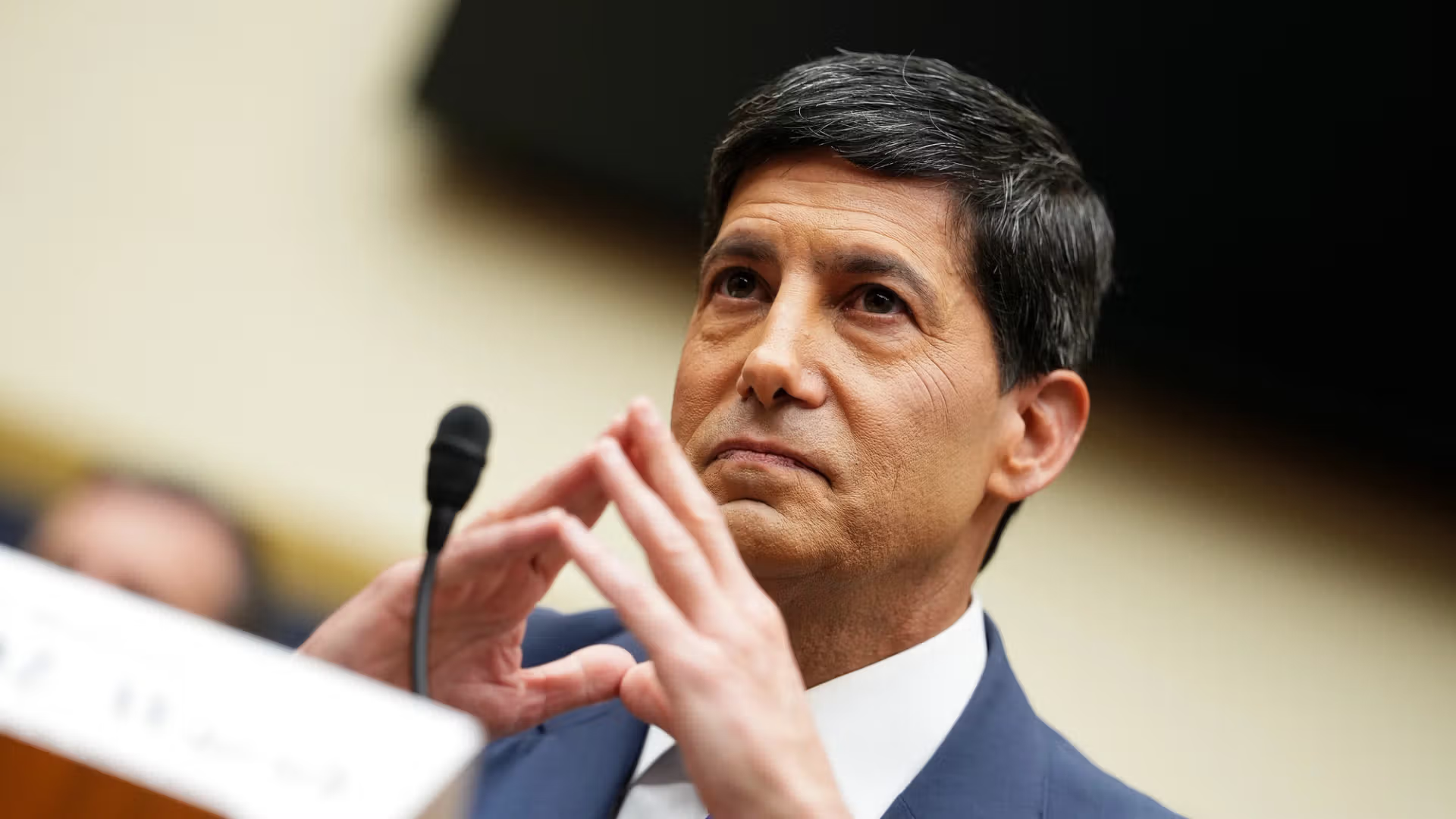
'Anything remotely dovish' from Fed could be good for bitcoin, says analyst
Traders are divided on whether the Fed will hike rates, but analysts said crypto may be less exposed than AI-driven tech stocks.

Bitcoin price slips below $64K before Fed decision
Bitcoin fell below $64,000 on Tuesday as traders reduced risk before the Federal Reserve's interest-rate decision, while ETF outflows and leveraged liquidations added to selling pressure. Bitcoin price falls below rising trendline According to data from crypto.
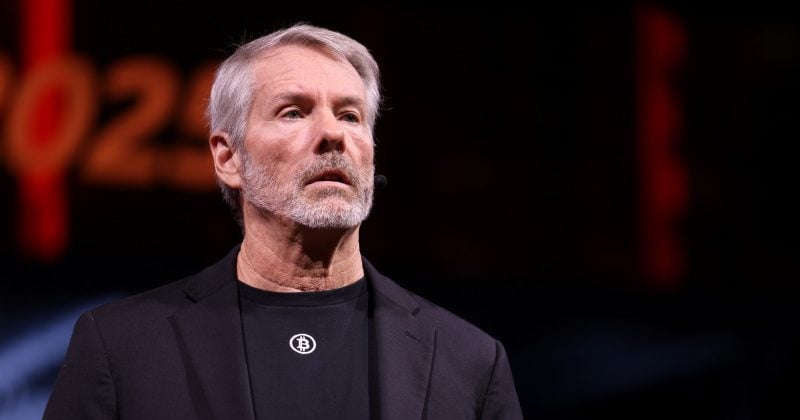
Strategy's Michael Saylor calls Bitcoin code a constitution, warns against changes
Saylor's stance underscores the tension between Bitcoin's immutability and innovation, impacting its future governance and investor confidence. Strategy's Michael Saylor calls Bitcoin code a constitution, warns against changes.




