





Bitcoin

BTC Ownership Overtakes Gold in The US, Democrats Reject CLARITY Draft, And More – Weekly Recap
This week's stories spanned regulation, adoption, market conviction, and industry shakeouts. Seven Senate Democrats rejected the latest CLARITY Act draft, while Cathie Wood doubled down on SpaceX despite its sharp stock decline.

Expert sets Bitcoin's price for start of Q4, 2026
Bitcoin (BTC) could fall to $45,000 by early October 2026, according to an analysis that compares the current market cycle with previous crypto exchange failures.

Bitcoin traders ran out of excuses for the market's flatline – and now a $2.5 billion bet is running out of time
Traders spent most of July with a pretty good explanation for why Bitcoin wouldn't move. A dense cluster of options contracts had the price boxed in, they argued, because the dealers who sold those contracts were buying every dip and selling every rally to keep their own books balanced.
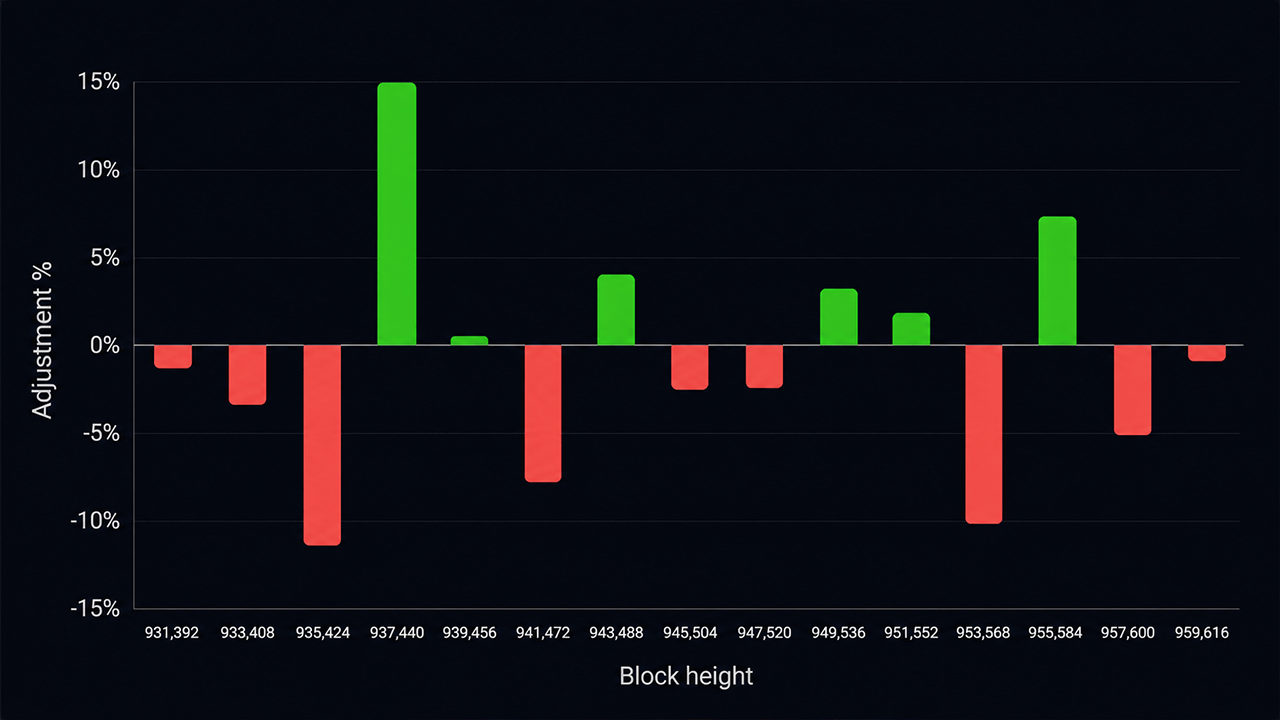
Bitcoin's 15th Difficulty Reset Exposes a Mining Industry Under Pressure
The Bitcoin blockchain just recorded its 15th difficulty adjustment of the year, trimming mining difficulty by about 0.74% at block height 959616. Amid the year's wild swings, the balance has clearly tilted toward difficulty cuts, with negative adjustments outnumbering increases by nearly 3 to 2.

‘We're Gonna Need Another Color': Michael Saylor Fuels Speculation Over Strategy's Next Bitcoin Move
Michael Saylor's latest bitcoin chart comes as Strategy holds 843,775 BTC, maintains a $3.225 billion cash reserve, and still has authorization to sell up to $23.53 billion of additional stock to raise capital, sharpening questions over whether the company will resume bitcoin purchases. Saylor Shares Strategy's Crowded Bitcoin Chart Strategy Inc.

Gulf markets ease after Houthi attacks on Saudi oil sites, Bitcoin dips below $65K
The attacks highlight vulnerabilities in global oil supply chains, prompting increased regulatory scrutiny on cryptocurrencies linked to illicit activities. Gulf markets ease after Houthi attacks on Saudi oil sites, Bitcoin dips below $65K.
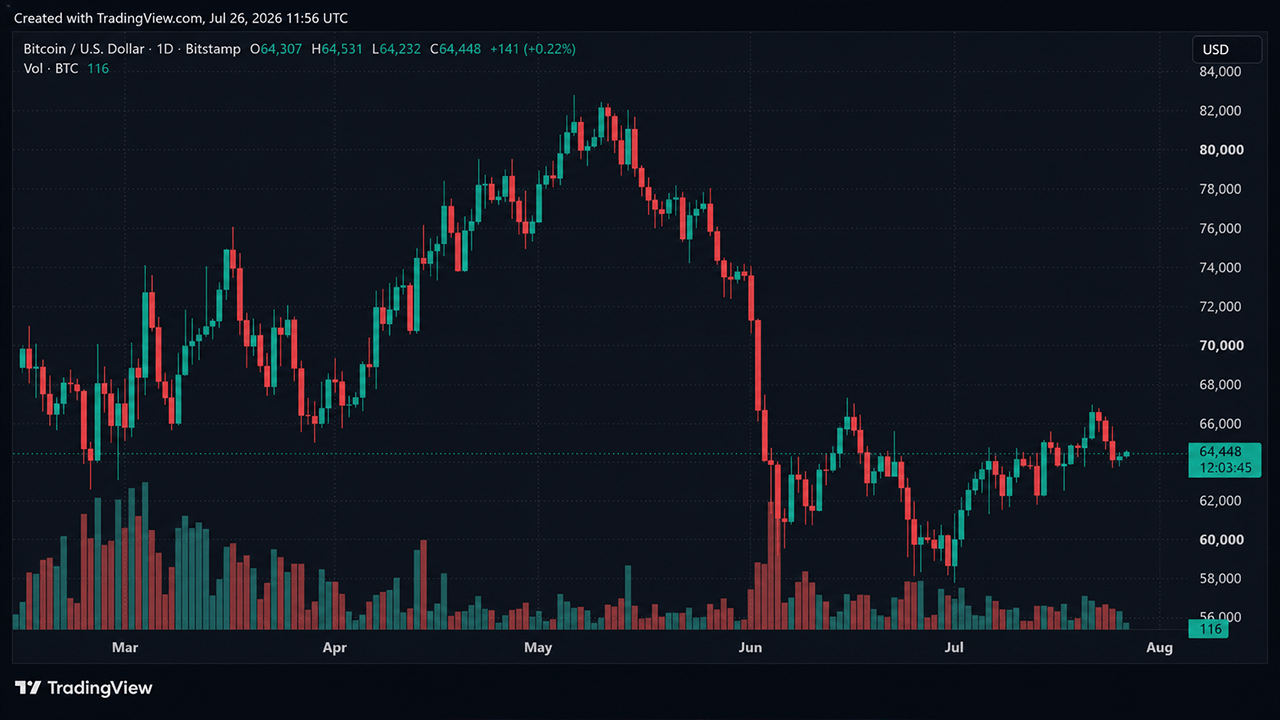
Bitcoin Enters Volatility Trap as Fed Decision, CLARITY Act and Fork Drama Converge
On Sunday, during the morning trading sessions, bitcoin exchanged hands for $64,466 on July 26, giving back most of a rally that had pushed the cryptocurrency above $66,900 earlier in the week. The past seven days followed a familiar pattern.
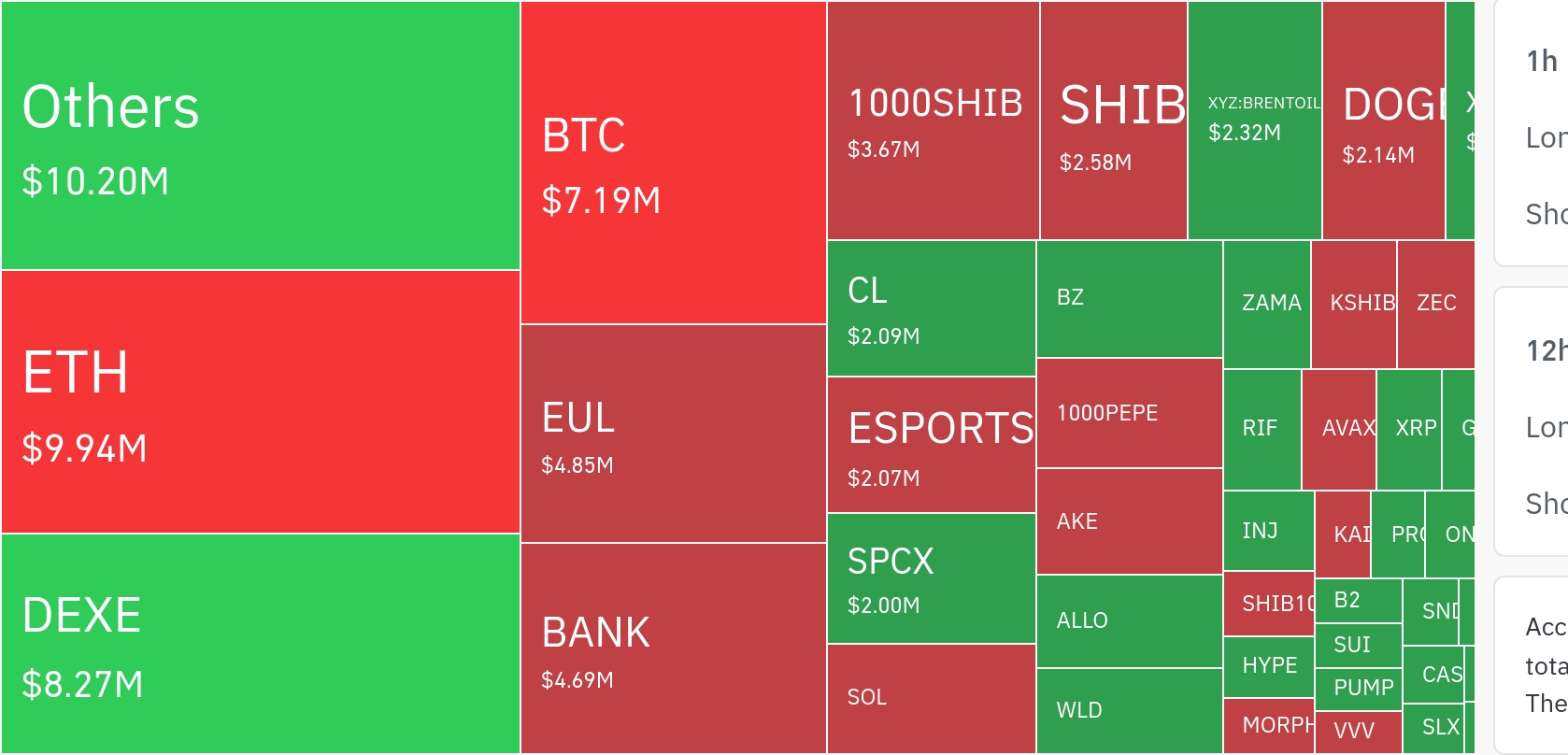
Crypto Shorts Hit $18 Million in Liquidations as Bitcoin, Ethereum Edge Higher
Crypto derivatives traders saw a fresh wave of forced liquidations over the past day, with losses concentrated on bearish bets as Bitcoin (BTC) and Ethereum (ETH) held a mild upward bias. The data points to 'short squeeze' dynamics rather than a broad risk-off shock, while pockets of leverage appeared to build in smaller, more thematic tokens.

Bitcoin OG selling eases as dormant BTC movement hits 4-year low: Thorn
Dormant Bitcoin activity fell to its lowest level since Q3 2022, suggesting long-term holders have slowed distribution after heavy profit-taking.

Bitcoin, Ethereum Soar as CLARITY Act Edges Closer, but Will a Fed Hike End the Rally?
The US Senate moved closer to a key vote on the CLARITY Act, and crypto markets rallied as a result. Will the BTC and ETH rally continue for another week?

Bitcoin Not Facing Immediate Quantum Threat, Coinbase CEO Says
Coinbase CEO Brian Armstrong says quantum computing does not pose an immediate threat to Bitcoin. However, he also stressed that the cryptocurrency industry must begin preparing now for a future in which sufficiently powerful quantum computers become a reality.

Bitcoin Miner Selling Slows as Exchange Flows Remain in Long-Term Decline
Bitcoin miner selling remains subdued as exchange inflows stay in a long-term decline despite recent price weakness.




