





Bitcoin

Strive Buys $235M in Bitcoin, Knocks MARA Out of Fourth Place
Strive just leapfrogged MARA in the corporate bitcoin rankings, snapping up another 2,822 BTC for $235 million, barely a day after revealing a $280 million purchase. The back-to-back buying spree pushed its holdings to 35,595 BTC, worth nearly $3 billion.
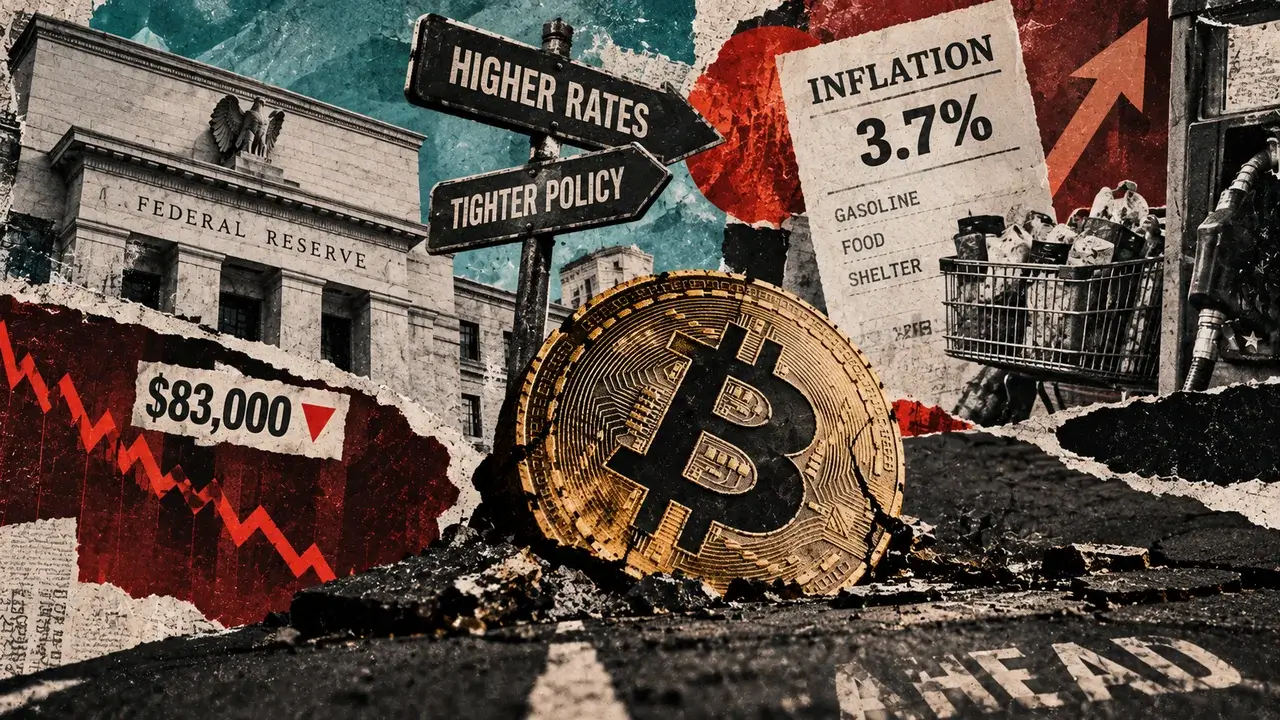
Bitcoin plunges to $81,300 support as Fed hike odds hit 55% amid $100 million crypto wipeout
Bitcoin fell below $83,000 on Wednesday as hotter-than-expected US core inflation data revived expectations of further Federal Reserve interest rate hikes, triggering a fresh wave of liquidations across the cryptocurrency market. CoinGlass data showed that over $100 million in leveraged positions were liquidated in the hour after the inflation report was released.

Bitcoin Falls as Hot Inflation Puts a Fed Hike Back on the Table
September CPI hit 3.7%, above forecasts, sending Treasury yields higher and dragging crypto down with stocks.

Babylon advances native Bitcoin collateral plan for Aave V4
Babylon's plan could revolutionize DeFi by enabling Bitcoin holders to leverage assets without relinquishing custody, impacting custodial models. Babylon advances native Bitcoin collateral plan for Aave V4.

Bitcoin Drops as September CPI Beats Forecasts at 3.7%
September CPI rose 3.7% year over year, above the 3.6% forecast, and core inflation beat on both measures. Bitcoin fell within minutes of the release.

Bitcoin Falls Below $82,000 as 24-Hour Decline Reaches 1.4%
Bitcoin was below the $82,000 threshold on Oct. 14, with its price down 1.4% over 24 hours.

Bitcoin price dips below $82K as high oil prices spike US CPI inflation
Bitcoin fell below $82,000 while bond yields targeted new 24-year highs on the back of hot US CPI inflation.

Strive stacks 2,822 more Bitcoin, edging past MARA in treasury rankings
Strive's increased Bitcoin holdings highlight the growing trend of corporate investment in cryptocurrencies, impacting market dynamics and competition. Strive stacks 2,822 more Bitcoin, edging past MARA in treasury rankings.

Hot U.S. CPI Sends Bitcoin Lower as Rate Hike Fears Return
September CPI rose 3.7% year over year, above the 3.6% forecast, while core inflation also exceeded expectations and Bitcoin fell about $1,000. The hotter inflation print pushed Treasury yields higher and revived concern the Federal Reserve could raise rates in October instead of waiting until December.

Bitcoin Price Forecast: Hot US Inflation Threatens BTC Drop Below $80K
Bitcoin price risks falling toward $78,200 as hot US CPI data fuels Fed rate hike bets. A bearish flag pattern signals further BTC downside.

Bitcoin Hashrate Stabilizes After Sudden Plunge
Bitcoin's (BTC) network hashrate appears to be stabilizing after a sharp decline that forced miners to scale back operations amid falling profitability, soaring electricity costs, and growing competition from artificial intelligence (AI) infrastructure.

Bitcoin Holds Near $82,600 After Inflation Data Exceeds Expectations
Bitcoin was down about 1%. Bitwise Chief Investment Officer Matt Hougan said he had expected crypto prices to fall 3% to 5%.




