





Bitcoin
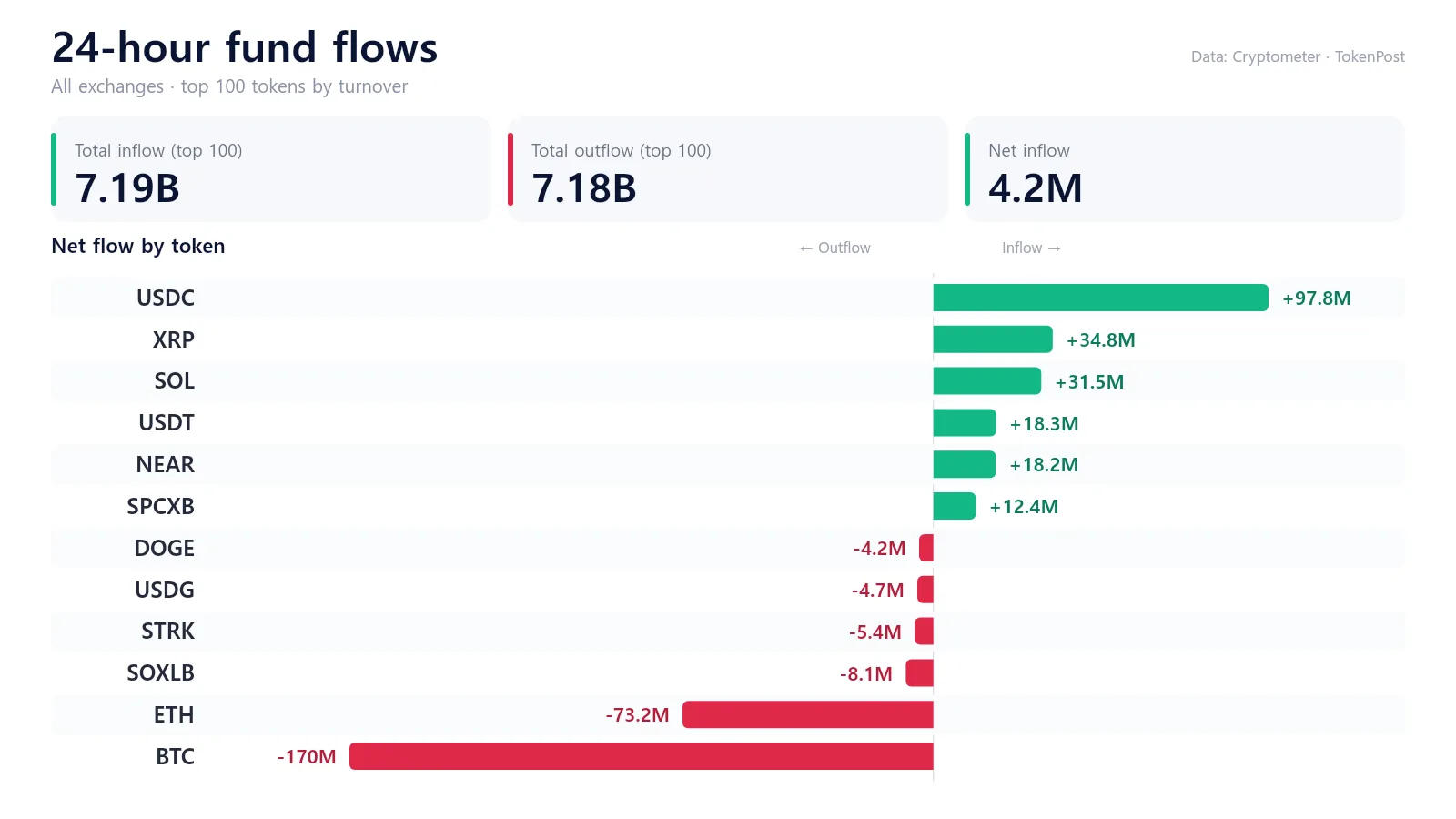
24-hour flows: BTC, ETH see outflows as XRP and SOL draw inflows
BTC and ETH led 24-hour net outflows, while USDC, XRP and SOL drew the largest net inflows. BTC saw a $170.35 million net outflow and USDC posted a $97.77 million net inflow.
Bitcoin Price Prediction: Citi's $113K Target Implies 35% Upside Despite BTC's Weak Recovery
Citi's $113K Bitcoin forecast implies roughly 35% upside as BTC struggles near $83K. Fresh $175.7M ETF inflows may help the recovery.

BitMEX sued for £20 million over Bitcoin losses
BitMEX faces a £20 million UK lawsuit after an investor accused the closed crypto exchange of offering derivatives without FCA authorization.
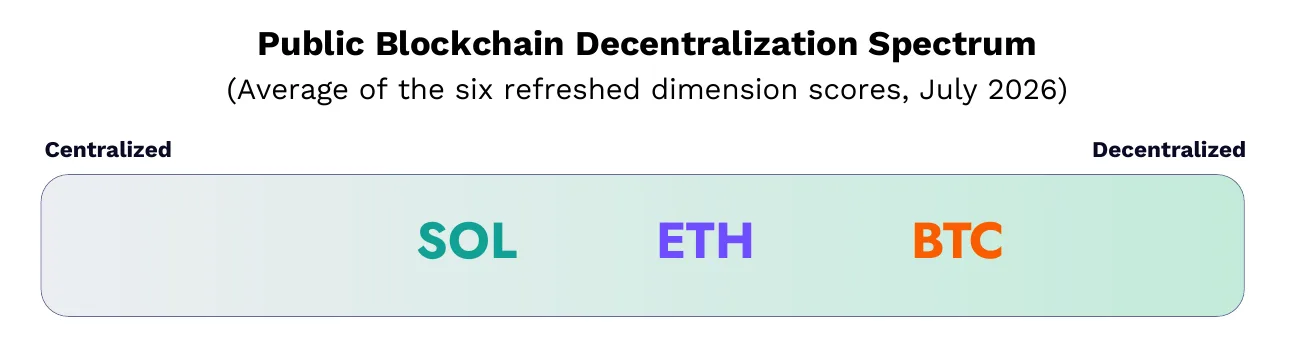
Bitcoin, Ethereum and Solana show decentralization tradeoff between performance and control
Glassnode said Bitcoin, Ethereum and Solana occupy different points on a decentralization spectrum, with Bitcoin stronger in auditability and geographic resilience while Solana trades some decentralization for speed.

More Than Half of Bitcoin Supply Sits in Addresses With Unknown Owners
The finding comes amid a trend toward institutionalization and concentrated holdings.
Here's how analysts see U.S. inflation influencing bitcoin
U.S. inflation is due at 8:30 a.m. ET. Economists surveyed by Dow Jones estimated September's consumer price index rose 0.6% month-on-month and 3.6% year-on-year.
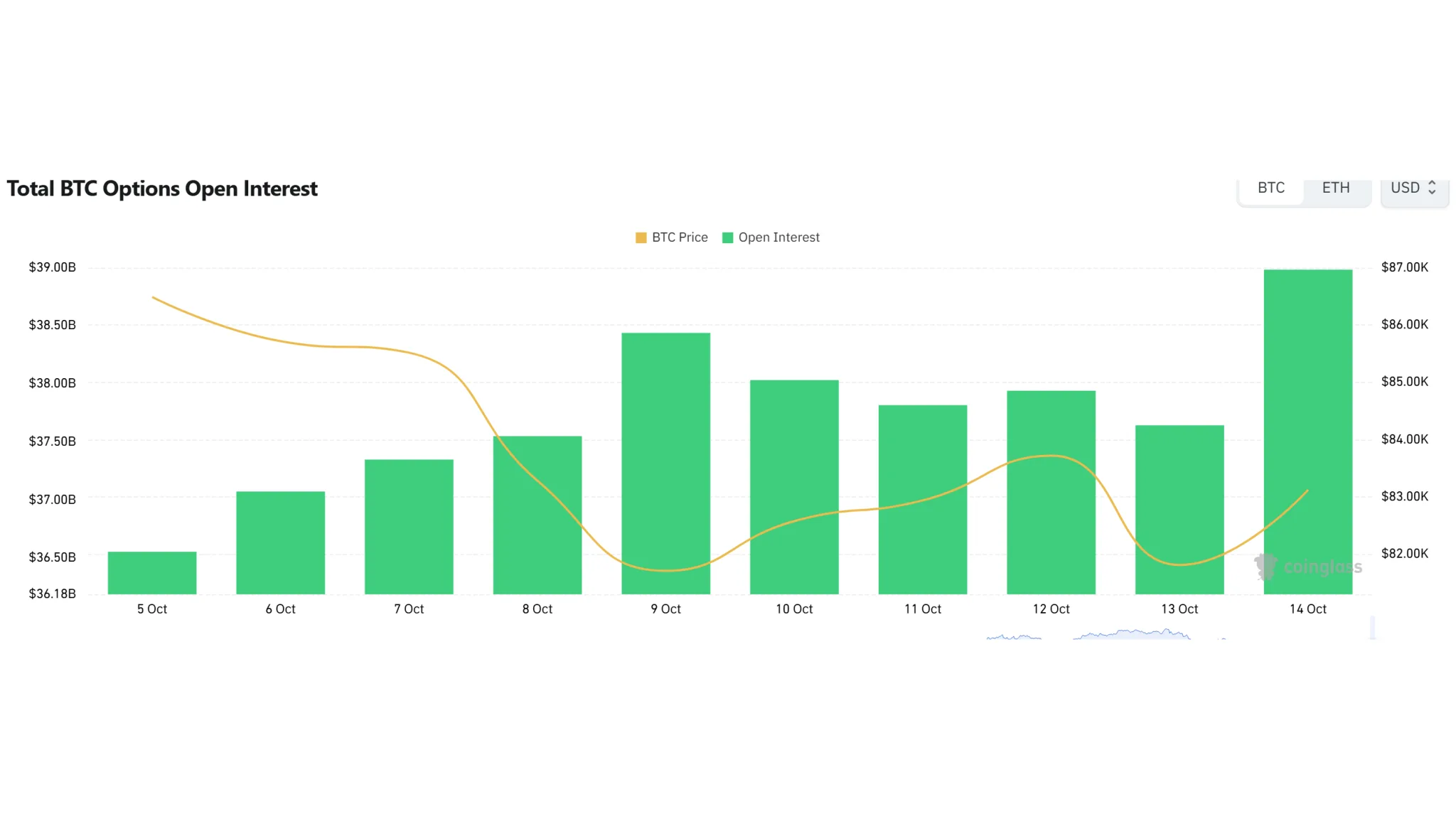
BTC options daily: Open interest at $38.14 billion as $60,000 put leads volume
Bitcoin options open interest rose to $38.14 billion, with calls leading outstanding positions. Put options dominated 24-hour volume, led by a $60,000 Deribit contract.
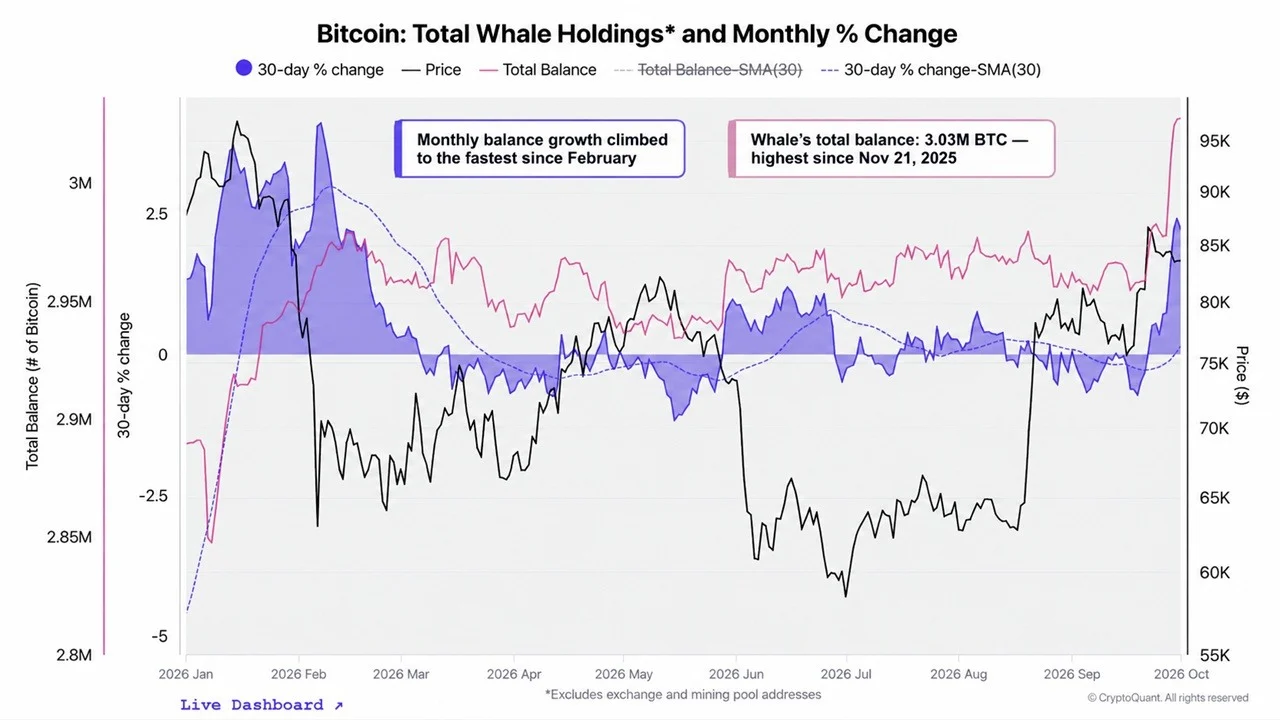
Cryptoquant Says Bitcoin Whales Are Back as a Mystery Buyer Grabs $97M
Bitcoin whales now hold 3.03 million BTC, their largest stash since November 2025, according to Cryptoquant. Meanwhile, an unidentified investor pulled 1,162 BTC ($96.77 million) from Wintermute into five fresh wallets. Whale Balances Hit an 11-Month High Holders of at least 1,000 BTC are buying again per a research note by Cryptoquant.

Roundhill Bitcoin ETF Declares $0.1129 Weekly Distribution
The payment is scheduled for Oct. 15. Shareholders of record on Oct. 14 qualify, the same date the fund set as its ex-dividend date.

Bitcoin Fades From $84,000 as Traders Await September CPI
Bitcoin touched $84,000 early Wednesday and slipped back to $83,200 as a chip-led risk-off trade and the September CPI print kept buyers on hold.

Bitcoin Exchange Reserves Remain 1.7% Below September Levels
Whale holdings stayed above 3 million BTC as prices fell in early October, while apparent demand recovered toward neutral this week.
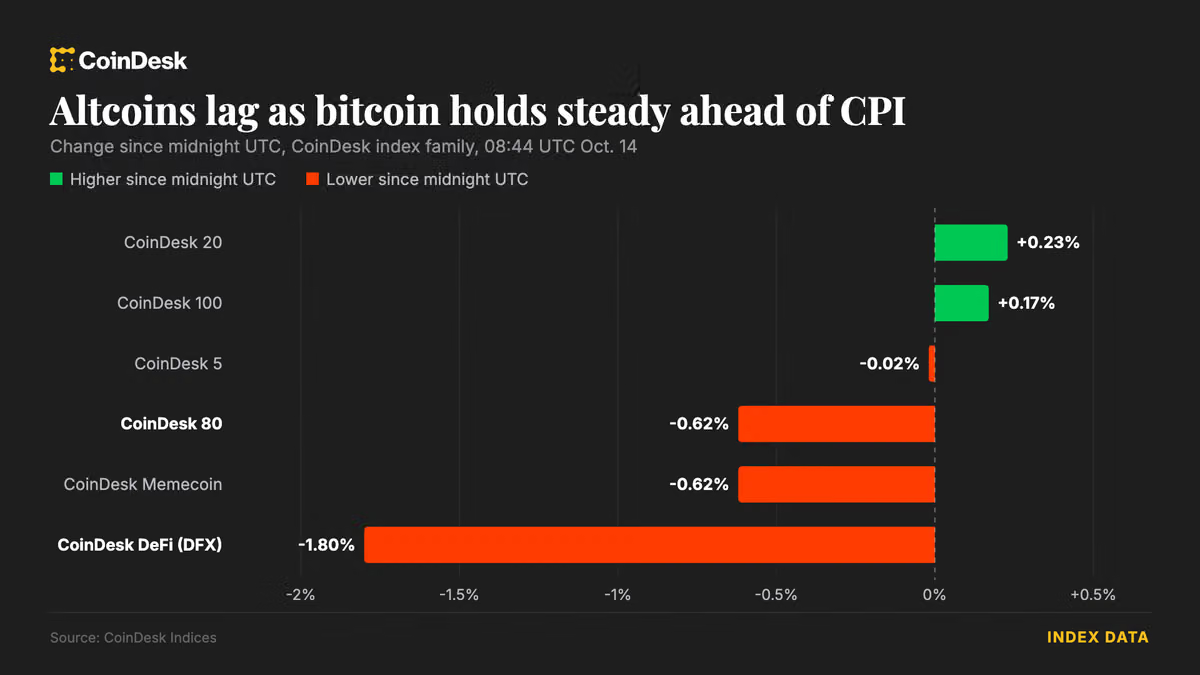
Bitcoin holds above $83,000 ahead of U.S. inflation data as altcoins lag
Bitcoin briefly reached $84,000 before easing back, while the CoinDesk 80 fell 0.6% since midnight as traders waited for U.S. inflation data.




