





Bitcoin
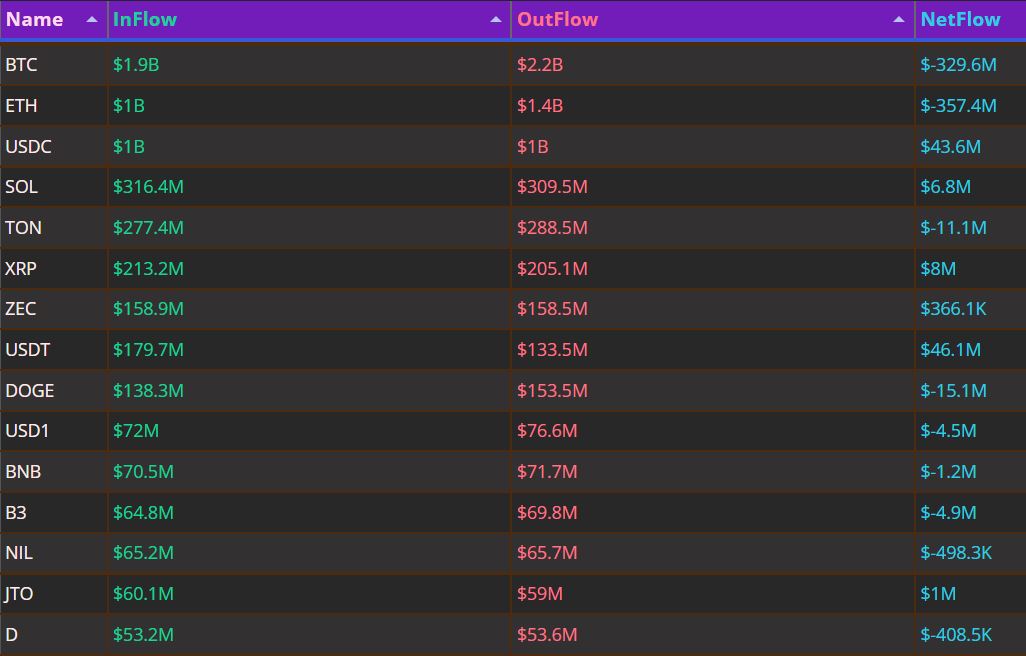
Bitcoin, Ethereum See Over $680 Million Net Outflows as Capital Shifts to Stablecoins
Capital rotated into 'stablecoins' and 'wrapped assets' over the past 24 hours, while the two largest cryptocurrencies—Bitcoin (BTC) and Ethereum (ETH)—saw sizeable net outflows, underscoring a defensive shift in positioning amid shifting market liquidity. According to Cryptometer data as of Thursday 03:35 UTC, Bitcoin (BTC) recorded approximately $1.9 billion in inflows and $2.2 billion in outflows over the prior 24 hours, resulting in a net outflow of $329.6 million.

Bitcoin Found Support Where Recent Buyers Can't Afford to Lose: Discover the Mechanics
Bitcoin is trading above $80,000 as the market prepares for what is shaping up to be a decisive directional move. The recovery from the recent correction has been meaningful — but a CryptoQuant report has identified the specific mechanism that prevented the decline from becoming considerably worse, and understanding it changes how the current price level should be read.

Bitcoin Exchange Reserves Drop as Asia, Europe Drive Trading Volume Shift
Bitcoin (BTC) balances held on major centralized exchanges continued to decline Thursday, alongside a sharp shift in trading activity toward Asia and Europe—signals that typically point to changing 'liquidity conditions' and repositioning by large traders. Data from CoinGlass showed that as of May 8 at 01:55 UTC, total BTC reserves across leading exchanges stood at roughly 2,451,555 BTC.
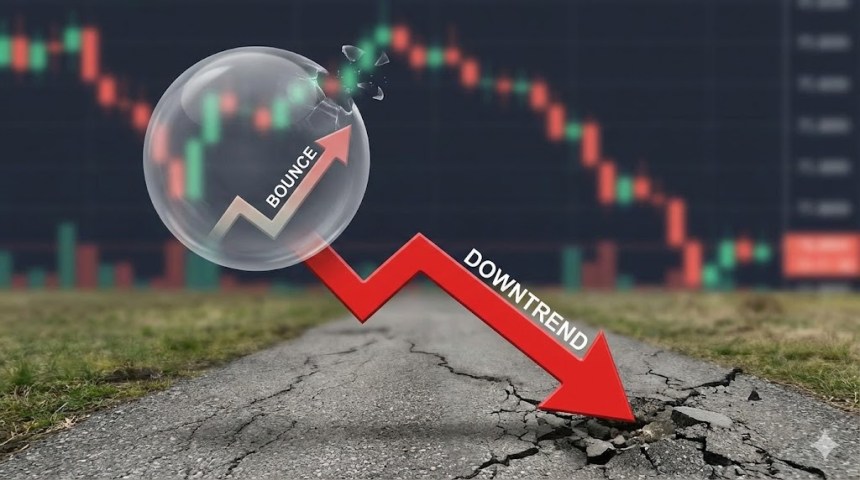
Bitcoin Price Gives Up Part Of Rally, Sellers Reappear Near Highs
Bitcoin price started a fresh decline below the $81,200 zone. BTC is correcting gains and might struggle to stay above the $78,800 support.
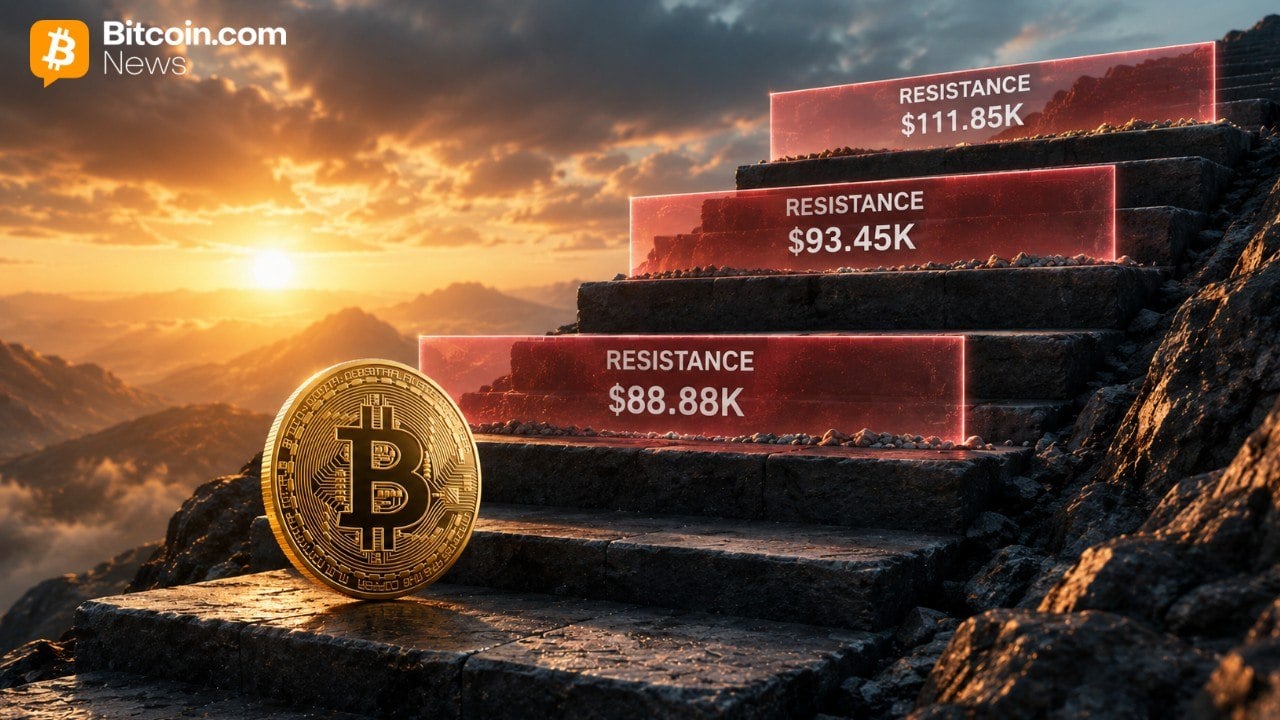
Bitcoin Must Hold $88.88K to Confirm a BTC Bottom, Analysis
An analysis shared by Cryptoquant indicates bitcoin must reclaim and hold $88,880 before traders can confirm a BTC bottom. UTXO age bands identified several realized price levels where trapped buyers could add resistance during recovery attempts.

Bitcoin bulls tighten supply grip as exchange reserves hit two-year low
About 100K Bitcoin has left Binance, OKX, and Gemini since February 2026, pushing exchange reserves to their lowest level in years.

CRCL, Coinbase Stocks Drop as Bitcoin Falls Below $80K
Crypto-related stocks CRCL and Coinbase (COIN) moved lower on Thursday after fresh U.S. labor market data reduced expectations for near-term Federal Reserve rate cuts. Investors reacted cautiously as stronger employment figures added pressure to risk assets, including cryptocurrencies and crypto-linked equities.

Bitcoin Eyes $82K Breakout as Bulls Regain Market Control
Bitcoin is once again approaching the critical $82,000 resistance zone after staging a strong recovery from the sharp correction that dominated the crypto market earlier this year. Following a steep decline into the mid-$60,000 range during the February-March sell-off, BTC has steadily regained momentum, signaling renewed investor confidence and growing bullish sentiment across the cryptocurrency market.

Solv Protocol Will Dump LayerZero, Migrate $700M Tokenized Bitcoin Tech to Chainlink
Solv Protocol will move its tokenized Bitcoin infrastructure to Chainlink, following Kelp DAO's lead after it blamed LayerZero for a hack.
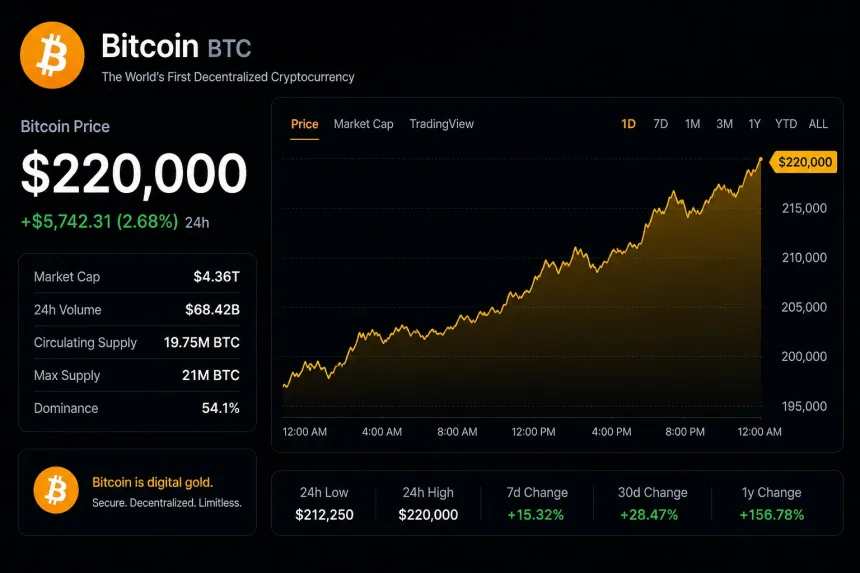
Analyst Sets $220,000 Minimum Price Target For Bitcoin, But How Will It Get There?
A crypto analyst has identified a multi-year Cup and Handle pattern on the Bitcoin (BTC) chart that he says has gone largely unnoticed by the broader market, despite its significance. The analyst believes this single formation signals a major bull trend ahead for Bitcoin, projecting a minimum price target of $220,000 once the cryptocurrency begins its parabolic move.

JPMorgan Says Strategy Could Buy Up To $30B In Bitcoin This Year– TD Cowen Lifts Target To $395
Strategy—formerly known as MicroStrategy—could meaningfully accelerate its Bitcoin-buying pace this year, according to analysts at JPMorgan. The firm, led by well-known Bitcoin bull Michael Saylor, is already one of the largest publicly traded Bitcoin treasury companies, and JPMorgan believes its next move may be a larger, faster round of acquisitions.
Eric Trump's Miner American Bitcoin Tops 7,300 BTC
American Bitcoin surpasses 7,300 BTC after record Q1 output, producing 817 BTC and expanding mining capacity to 25 EH/s.




