





Bitcoin

Bitcoin ETFs trade over $7.5B in a week despite $145M in net selling
Despite net outflows, robust trading volume in Bitcoin ETFs suggests resilient investor interest, indicating potential market stability. Bitcoin ETFs trade over $7.5B in a week despite $145M in net selling.

Hut 8 Transfers $161 Million Bitcoin To Exchanges In Seven Days
A wallet linked to Hut 8 transferred 1,966 BTC, worth approximately $161 million, to exchanges and other addresses over seven days. On-chain analysts traced the transactions to Coinbase Prime custody wallets, although the transfers do not confirm that the company sold its Bitcoin.

Bitcoin Rebounds Above $82,000, but One Warning Sign Raises Concerns
Bitcoin brushed $80,000 on Thursday before bouncing back above $82,000. While buyers managed to defend this key threshold, Glassnode notes a sign of fragility: buy orders supporting the price are becoming scarce below this symbolic level.

Fidelity Analyst Sees Bitcoin at $300K by 2029
Fidelity Investments Director of Global Macro Jurrien Timmer sees a potential path for Bitcoin toward $300,000 by 2029 if its long-term growth trajectory continues. His valuation framework also points to $100,000 as an intermediate level, while the $300,000 projection remains a conditional long-term scenario rather than a guaranteed price target.

Bitcoin Can Win Whether AI Boom Continues or Crashes: Bitwise CIO
Bitwise CIO Matt Hougan argues that bitcoin could benefit across radically different AI-driven economic outcomes, from a productivity boom to a recessionary crash. His thesis rests on one idea: Whether the world gets more abundance, more money creation, or simply more adoption, scarcity still favors bitcoin.
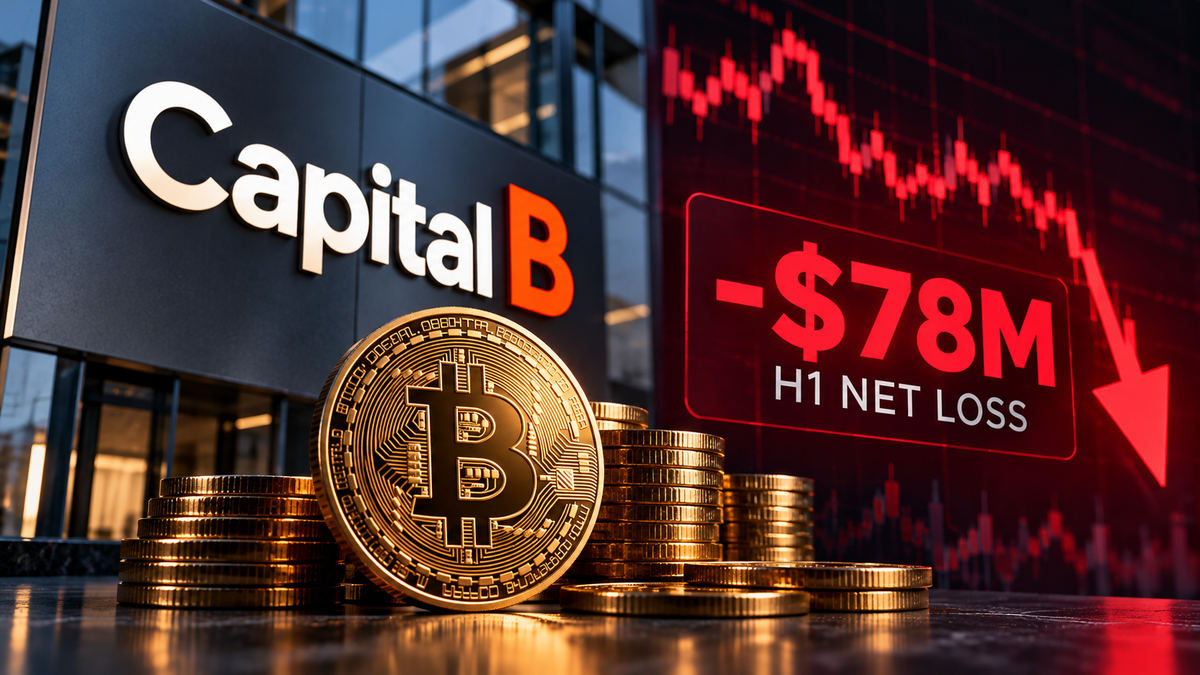
Capital B Reports $78M H1 Net Loss Amid Bitcoin Impairment
Capital B reported a net loss of $78.1 million in the first half of 2026, compared with $2.1 million in the same period a year earlier. The company attributed $75.9 million of the loss to a non-cash accounting impairment related to the decline in Bitcoin's value.
What Happens if BlackRock Gets $10 Billion of Bitcoin ETF Inflows? IBIT Mechanics Explained
Does a $10 billion BlackRock Bitcoin ETF purchase automatically move BTC higher? Here is how ETF creations, APs and market liquidity actually work.

Crypto analyst sets condition for Bitcoin to resume bull run
Despite Bitcoin (BTC) falling more than 5% over the past 2 weeks, trading at approximately $82,166 on October 16, 2026, popular pseudonymous crypto analyst Captain Faibik, or CryptoCove, expects a renewed bull run after a breakout above a short-term falling channel.
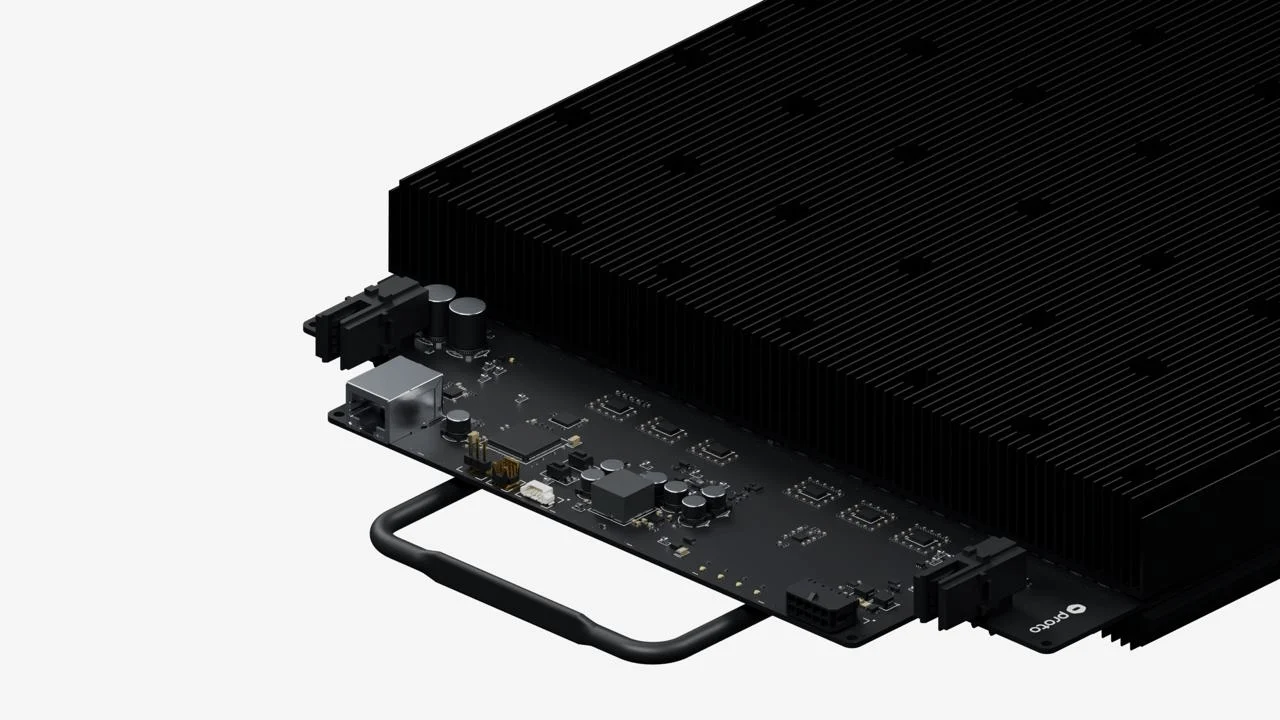
Block's Proto Bitcoin Mining Hardware Now Available to Own via Sazmining
Bitcoin mining services provider Sazmining has launched a new offering that allows individual investors to purchase mining hardware developed by Block's Proto division. Sazmining Serves Up Block's Bitcoin Hashboards The Wyoming-based company announced Friday that customers can purchase Proto immersion hashboards outright while Sazmining handles installation, operation, and maintenance at a U.S. mining facility.

CryptoQuant: New Bitcoin Whales Hold $77K Cost Basis
CryptoQuant says a new Bitcoin whale cohort represents roughly one-third of whale realized cap, with an estimated $77,000 cost basis. What the metric signals.

Charles Schwab opens direct Bitcoin and Ethereum trading to its retail clients
Schwab's crypto trading access could significantly boost mainstream adoption, influencing market dynamics and increasing transaction-based revenue. Charles Schwab opens direct Bitcoin and Ethereum trading to its retail clients.

Google Cuts Quantum Errors 40x as Researchers Estimate 1,200 Logical Qubits Could Threaten Bitcoin
Google's Willow chip cuts quantum errors 40-fold with 99.99% fidelity. What does the breakthrough mean for Bitcoin security and Q-Day?




