





Bitcoin

Bitcoin liquidation cluster builds around $70.7k and $78k as leverage creeps back
Coinglass flags $1.64b in BTC longs at risk below $70,721 and $1.25b in shorts above $78,068 as Bitcoin grinds in a tightly leveraged $70k–$78k range.
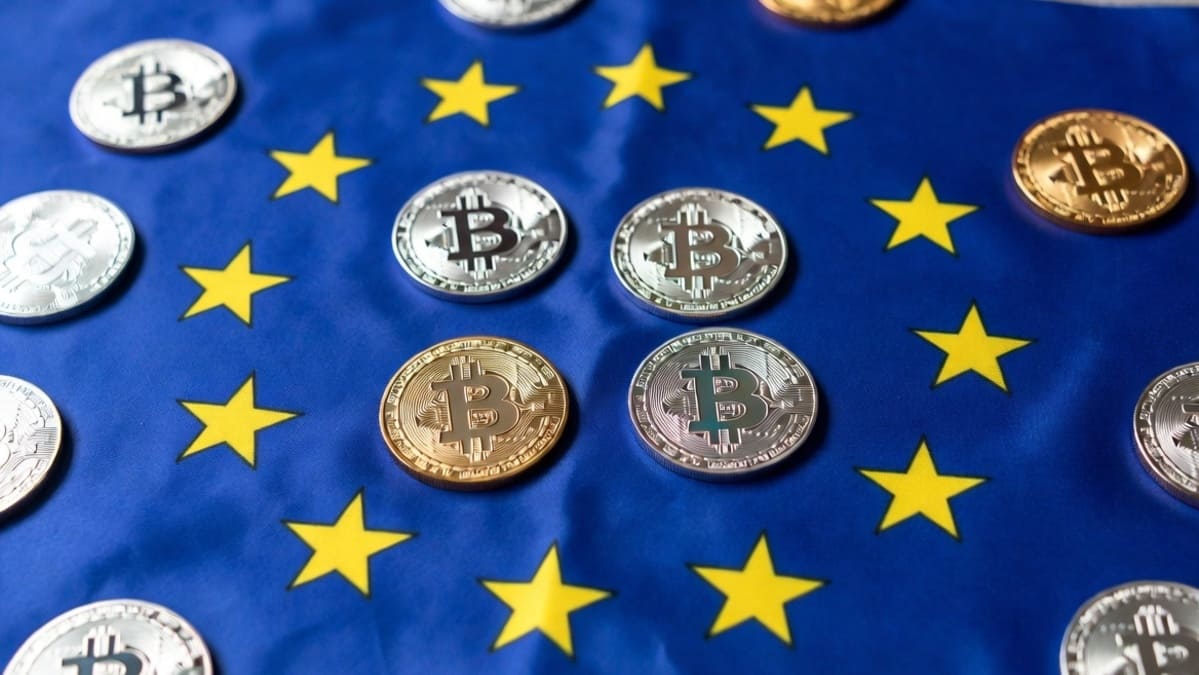
European Firms Unlikely to Mirror Saylor‑Style Bitcoin Treasury Model, Industry Executives Say
European companies adopting Bitcoin as a corporate reserve asset will not replicate the model developed by Michael Saylor at Strategy, according to industry executives who participated in Paris Blockchain Week 2026. The structural differences between European and American capital markets make a direct copy of that strategy unviable.

Morgan Stanley Bitcoin ETF attracts $100 million in a week
Morgan Stanley's spot Bitcoin (BTC) ETF (MSBT) began trading last week, on April 8, and so far, its performance has been quite positive.

Bitcoin's quantum migration plan forces the network to choose between frozen and stolen coins
Bitcoin's debate about quantum computers produced a published draft with real political consequences on Apr. 14.

Bitcoin Tests $75,000 as Whales Accumulate 270,000 BTC
Bitcoin's climb toward $75,000 is meeting rising sell pressure despite steady institutional demand. Whale accumulation and shrinking exchange reserves are tightening supply dynamics. Key Takeaways: Bitcoin tests $75,000 with $200 million to $450 million daily ETF inflows, but rising sell pressure attempts to cap gains.
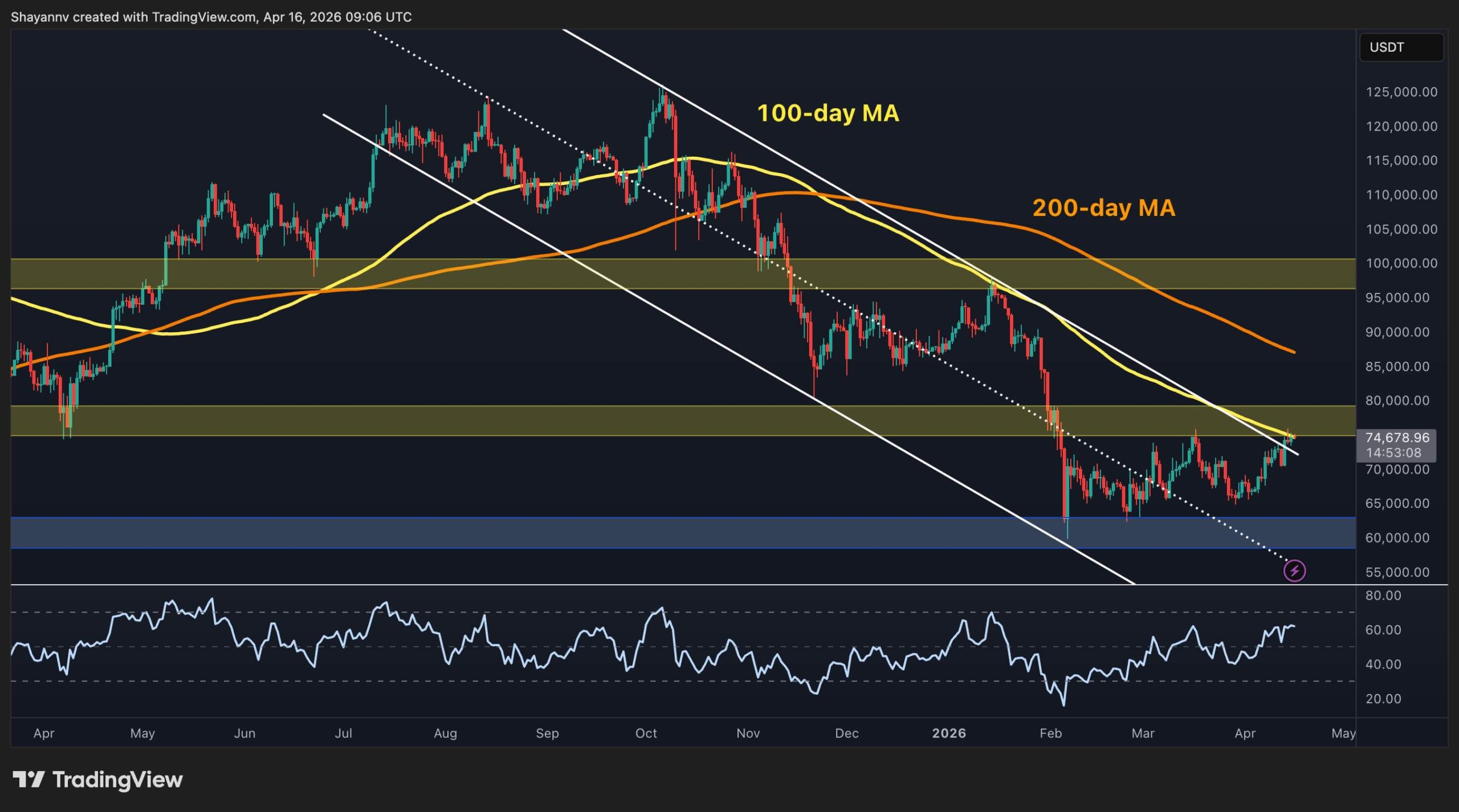
Bitcoin Price Analysis: Here's Why the Next Few Days Will Be Crucial for BTC
Bitcoin is trading around $74.7k, holding near its highest levels since the February breakdown, as the recovery momentum built over the past two weeks continues to develop.

Arthur Hayes Says BTC Is In A 'No-Trade Zone,' But Watch These 3 Scenarios
Bitcoin (CRYPTO: BTC) sits in a “no-trade zone” according to BitMEX co-founder Arthur Hayes, who outlines three scenarios that could force the cryptocurrency out of its current range as AI-driven deflation collides with Iran war dynamics. The No-Trade Call Maelstrom did minimal trading in the first quarter apart from slowly increasing its long position in Hyperliquid, Hayes said.

Adam Back says Bitcoin's post-quantum shift may reveal true Satoshi stash
Back said at Paris Blockchain Week that Bitcoin's post-quantum shift may reveal the true size of the stash held by Satoshi Nakamoto, estimated at between 500,000 and 1 million BTC.

Morning Minute: Bitcoin Devs Propose New Quantum Solution
BIP-361 would freeze the Bitcoin most at risk of seizure from quantum exploits. But will the community go for it?

Europe's Bitcoin treasury playbook won't be a copy of Strategy: PBW 2026
Executives at Paris Blockchain Week said European firms interested in Bitcoin treasury strategies are working around shallower capital markets and tighter constraints than in the US.

Bitcoin exchange inflows surge amid US-Iran tensions, risk-off sentiment grows
Increased Bitcoin inflows amid geopolitical tensions highlight its volatility, challenging its status as a safe haven asset during crises. Bitcoin exchange inflows surge amid US-Iran tensions, risk-off sentiment grows.

Exchange Inflows Spike as Bitcoin Faces $76K Headwinds
On-chain data show increased selling pressure, with Bitcoin exchange inflows and large-holder deposits spiking to multi-month highs.




