





Bitcoin

Satoshi Debate Resurfaces While Bitcoin Climbs Above $71K
The New York Times published an investigation suggesting that Adam Back, inventor of Hashcash, could be Satoshi Nakamoto.

Bitcoin Surges 5% But ETFs Bled $159M: Is This A Bull Trap?
Bitcoin (CRYPTO: BTC) surged 5% after the White House announced a two-week U.S.-Iran ceasefire, yet ETFs bled $159 million on April 7. The Ceasefire Rally Bitcoin briefly rose to $71,700 on Wednesday morning, marking its highest point since March 18.
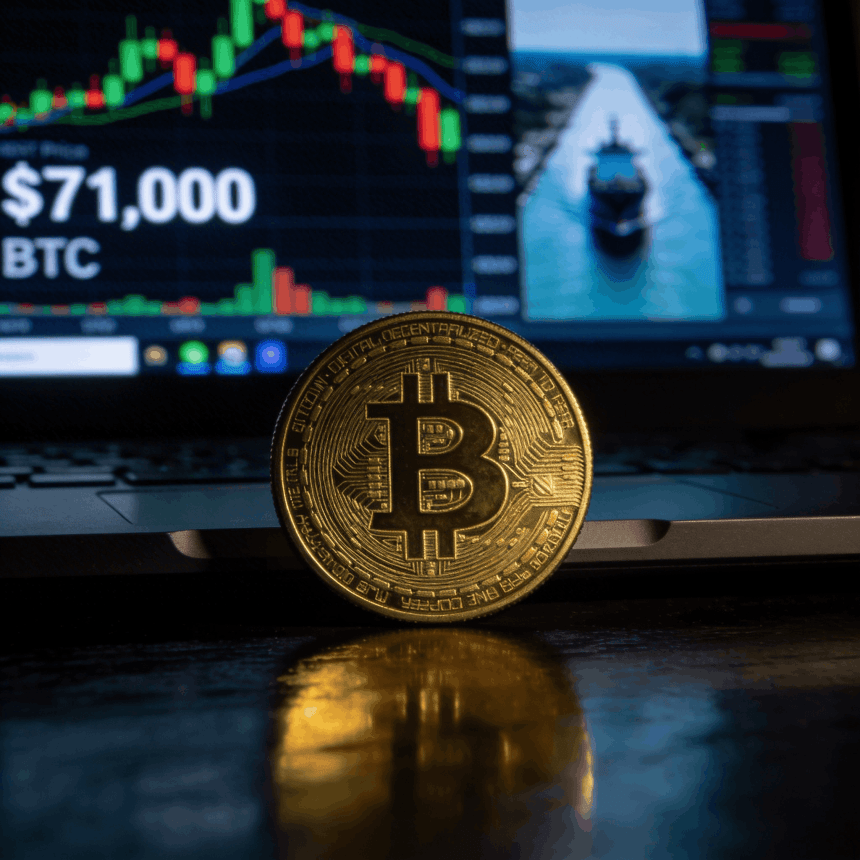
Bitcoin Rallies Above $71K —But Analysts Warn The Peace Is Only Temporary
Bitcoin climbed back above $71,000 after news of a conditional U.S.–Iran ceasefire tied to reopening the Strait of Hormuz.
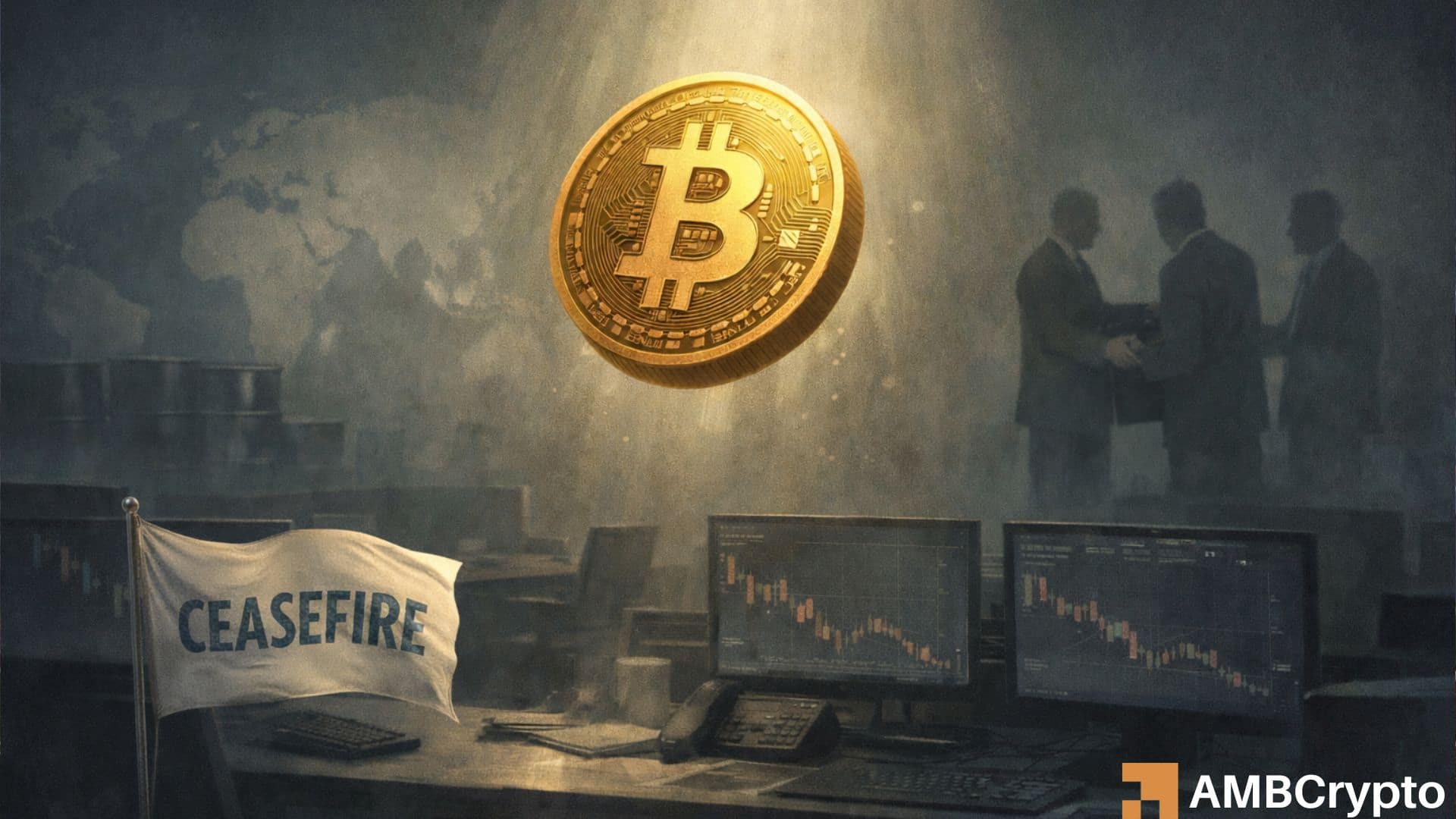
Bitcoin: Does BTC's rally mask weak demand as volume falls to $69B?
Bitcoin and Ethereum rise on easing tensions, but fading volumes and off-exchange flows hint at a quieter, less supported market move.

BTC Open Interest Drops 50% Leaving Market Primed for a Big Move
Funding rates have been oscillating between -12% and +7%, pointing to a derivatives market with no dominant directional bias.
BTC buyers return to Binance as US strikes temporary Iran peace deal
BTC buying returned to Binance, with an increase in taker buy volume and $2.7B in buying volume on derivative markets.
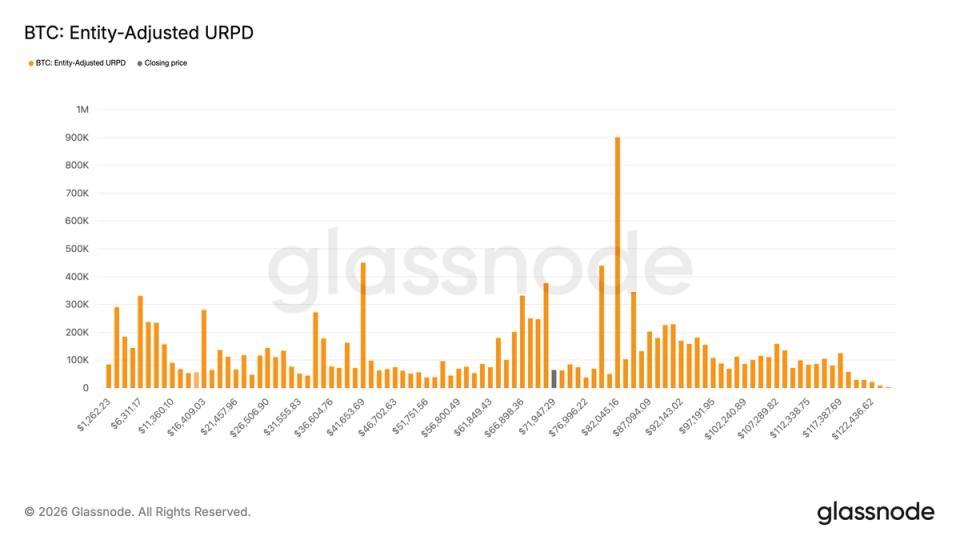
Bitcoin buyers gobbled up nearly 850,000 BTC between $60,000 and $70,000
A ton of BTC was recently traded below $70,000 in a sign of strong dip demand.
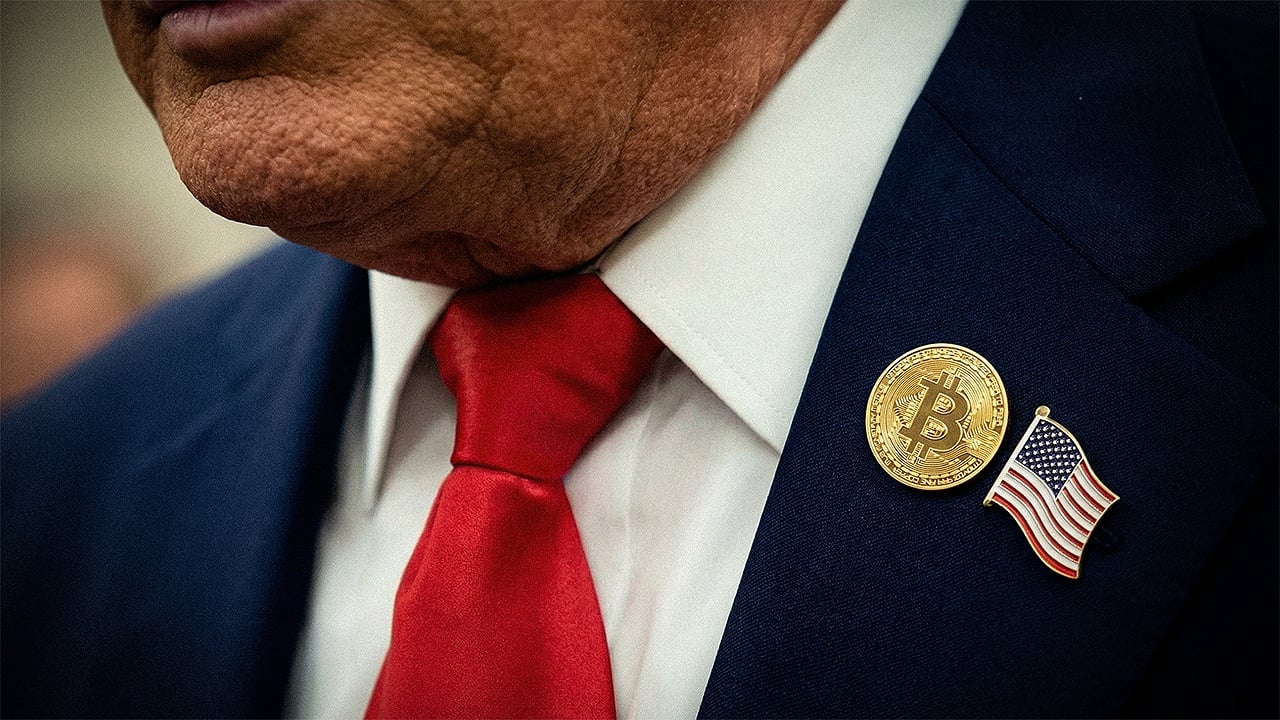
Op-Ed by Corbin Fraser, CEO of Bitcoin.com: The Bitcoin President Is Making Our Case for Us
In 2024, Donald Trump did something no major party presidential candidate had done before: he courted the Bitcoin and crypto community directly, spoke at Bitcoin Nashville, and positioned himself as the industry's champion. Millions of us who believe in financial sovereignty, decentralization, and the separation of money and state saw an opportunity. Many voted accordingly.
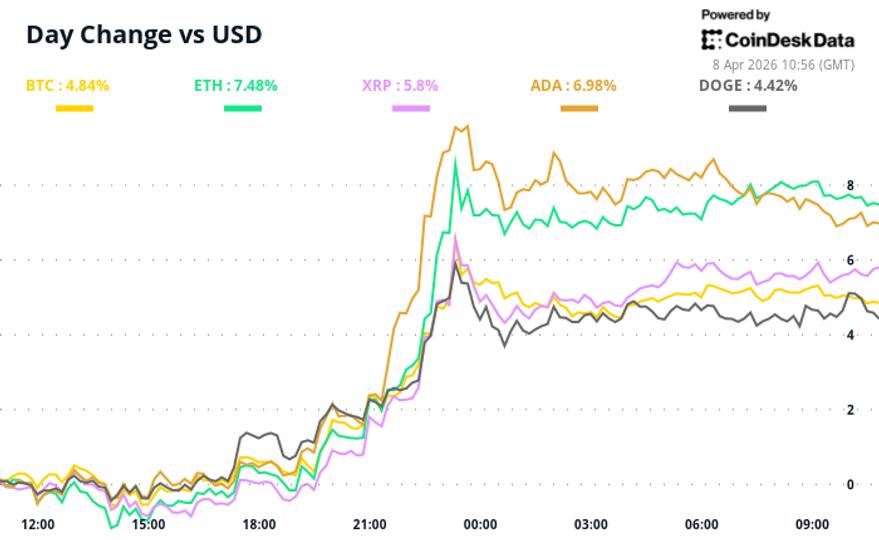
Ceasefire lifts bitcoin, but animal spirits may not return just yet
Bitcoin clears a key technical hurdle and eyes $76,000 as a temporary ceasefire with Iran and Morgan Stanley's landmark ETF debut restore market confidence.

Bitcoin Surges to $72,700 as US-Iran Ceasefire Triggers Massive Short Squeeze
Bitcoin surged as much as 4.9% to $72,738 on Wednesday, reaching its highest price in three weeks after President Donald Trump announced a two-week ceasefire with Iran. The announcement, posted to Truth Social on Tuesday evening, immediately reset risk sentiment across global markets.

NYT revives Adam Back theory in latest bid to identify Bitcoin creator
A New York Times investigation points to Adam Back as Satoshi Nakamoto, but the Blockstream CEO denies it, and critics say proof is still missing.

Hour by Hour: How Oil fell below $100 a barrel as Bitcoin broke $71k in surreal night of afterhours trading
Bitcoin, SPY, and crude oil tracked a single overnight pivot as Trump moved from existential rhetoric to a two-week Iran ceasefire Markets spent the night repricing a single geopolitical variable rather than growth, inflation, or crypto-specific risk.




