





Bitcoin

Bitcoin ETFs Record Capital Inflows of $1.3 Billion in March
The month of March 2026 offered a breath of fresh air to Bitcoin ETF investors. After two months of massive outflows, funds returned to capital inflows.
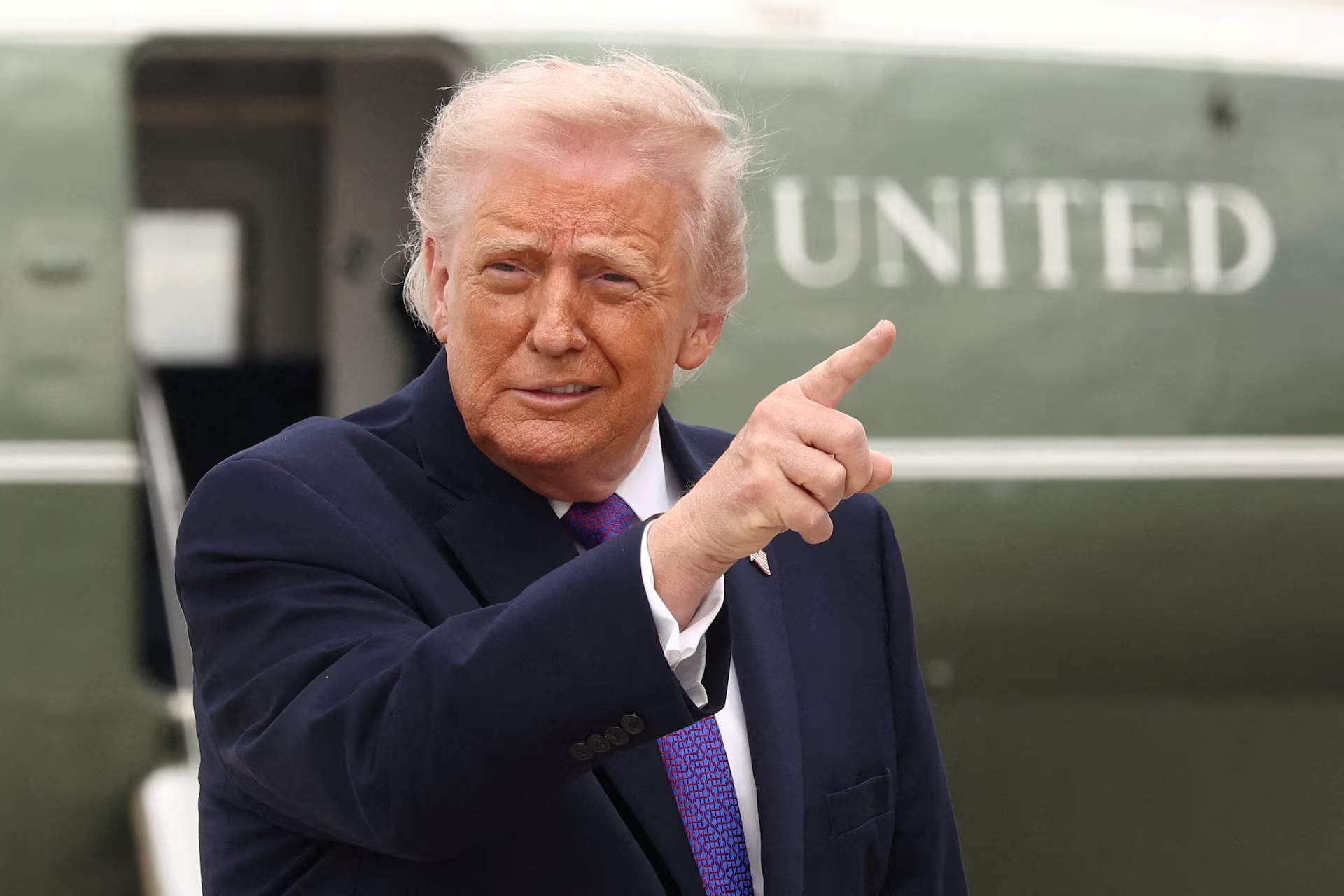
Trump Says US Leaving Iran Soon — What This Means For Bitcoin And Oil
The prospect of a US military withdrawal from Iran within the next 15 to 20 days is already sending ripples through the global markets.

Nakamoto Bitcoin sale could signal industry-wide DAT contagion: Analyst
The value of the Bitcoin treasury company's holdings peaked at over $711 million in October 2025, when BTC hit an all-time high of about $126,000.
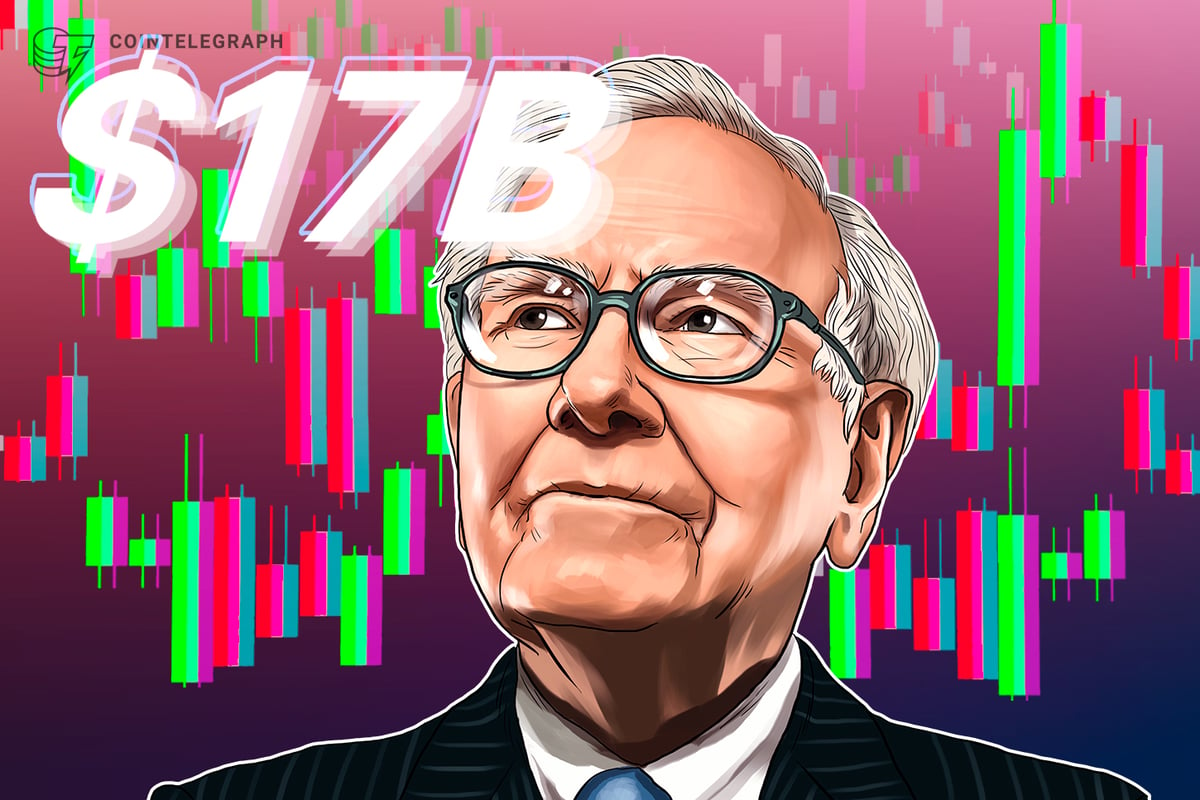
Warren Buffett bought $17B in US T-bills: A bad omen for Bitcoin price?
Buffett called the recent US stock market dip “nothing” versus past 50% crashes, signaling more downside for risk assets like Bitcoin in 2026.

Bitcoin looks ready to break $70k — but one group decision keeps capping the rally
Bitcoin is pushing back toward $70,000 as macro pressure eases, but each attempt is still being sold into. The market is improving on the outside while failing to resolve a key internal constraint.

Bitcoin Below $54K Would Signal Best Accumulation Zone, Analyst Says
A drop to $54,000 could mark one of the strongest buying opportunities in Bitcoin's current cycle, according to on-chain data analysts — but the price still sits roughly 20% above that level, and some market watchers say the bottom may not yet be in. Related Reading: More Than 40% Of Altcoins Are Hitting Rock Bottom — And Experts Say It's Worse Than The Last Crash Realized Price Draws Attention From Long-Term Investors The metric at the center of the conversation is Bitcoin's Realized Price, currently near $54,000.

BlackRock Withdraws 1,450 BTC and 1,780 ETH From Coinbase Prime
A transaction worth approximately 1,450 BTC was transferred from Coinbase Institutional to an unknown wallet on January 30, prompting speculation that BlackRock may be moving digital assets off-exchange. A separate report claims roughly 1,780 ETH was withdrawn in a paired transaction, though that leg remains unconfirmed by on-chain data.

Bitcoin's Crashes Are Shrinking Every Cycle But McGlone Still Sees $10,000
Bitcoin (CRYPTO: BTC) dropped roughly 50% from its October all-time high instead of the 80%-90% crashes seen in previous cycles, signaling market maturation, though Bloomberg's Mike McGlone still predicts a fall to $10,000. The Shrinking Crash Pattern Bitcoin crashed 87% from $1,163 to $152 after the 2013 peak and 84% from $20,000 to $3,122 in 2017.

Bitcoin : Traders Bet on a Late Surge in 2026
Prediction markets are betting on an explosive end to 2026 for Bitcoin, but the price is still below its key levels.

Bitcoin Stuck Between $60K and $70K—Why BTC Price Isn't Ready to Break Out
The Bitcoin price continues to trade within a defined $60,000–$70,000 range, but this lack of movement is not random—it reflects a market in equilibrium, not expansion. Spot demand is gradually absorbing sell-side pressure, while derivatives have reset, removing excess leverage. As a result, volatility has cooled, and price action has stabilized.

The Quantum Threat to Bitcoin Dividing Crypto
Two papers published this week have reignited debates about the risk posed by “Q-day” to the cryptography that underpins digital assets.

Bitcoin Whale Last Active in 2014 Executes Five-Transaction Move Totaling 500 BTC
On Tuesday, a bitcoin holder whose wallet sat untouched since May 2014 moved 500 BTC across five separate transfers, adding to a broader pattern of long-dormant addresses awakening throughout the month. Nearly 1,911 BTC From Dormant Wallets Moved in March 2026, Onchain Data Reveals The five transactions were recorded between 8:21 p.m. and 8:40 p.m.




