



Anheuser-Busch InBev S.A. ADR (BUD)






AB InBev toast record FY revenue
The world's largest brewer, AB InBev posts record FY revenue but overall volumes fall. Washington and Kyiv are reportedly set to sign an agreement over critical mineral resources in Ukraine in exchange for yet unspecified U.S. support measures.
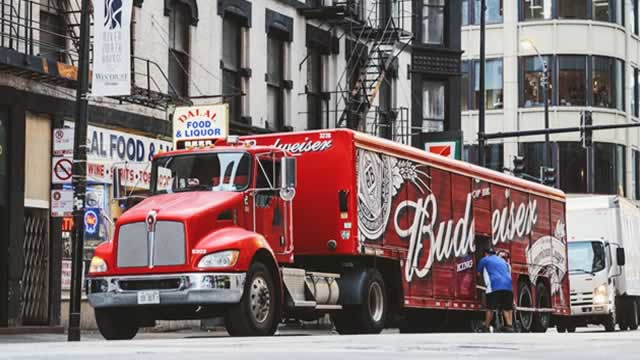
Brewer AB InBev's profits jump, but China beer sales falter
Beer giant Anheuser-Busch InBev on Wednesday reported forecast-beating fourth quarter profits, even as a slowdown in the Chinese beer market dragged volumes down.
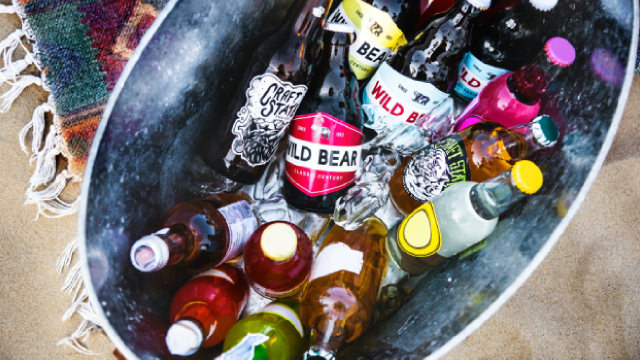
Are These 5 Beverage Stocks Poised for Earnings Beat This Season?
The beverage industry players are expected to have gained from expansion, pricing and solid demand, but inflation and currency woes are likely to have posed challenges.
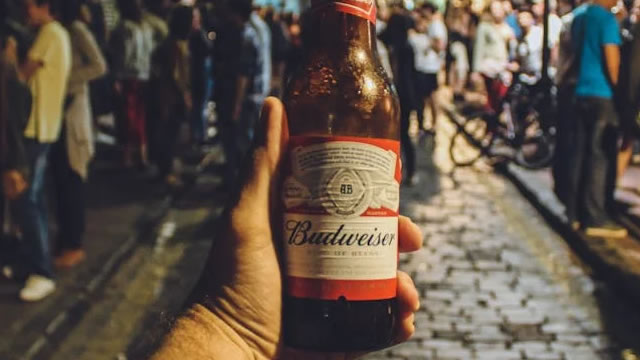
AB InBev's Q4 Earnings on Deck: What Surprise Awaits Investors?
BUD's fourth-quarter 2024 results are likely to show the impacts of challenging macroeconomic conditions and higher expenses.
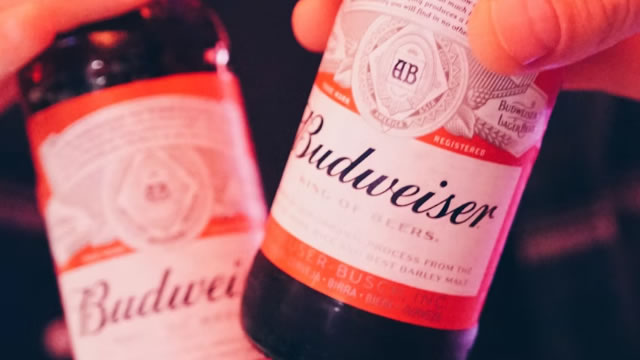
Seeking Clues to Anheuser-Busch Inbev (BUD) Q4 Earnings? A Peek Into Wall Street Projections for Key Metrics
Evaluate the expected performance of Anheuser-Busch Inbev (BUD) for the quarter ended December 2024, looking beyond the conventional Wall Street top-and-bottom-line estimates and examining some of its key metrics for better insight.
Anheuser-Busch InBev: Making A U-Turn On My Initial Thesis (Rating Upgrade)
Anheuser-Busch InBev stock's performance has been a disaster for shareholders in recent years. After keeping my 'Sell' rating on the stock for a number of years, I am now optimistic that BUD could deliver satisfactory shareholder returns. I take a closer look at the Company's pricing within the context of ongoing improvements within the business, and I outline my reasoning for assigning a Buy rating.
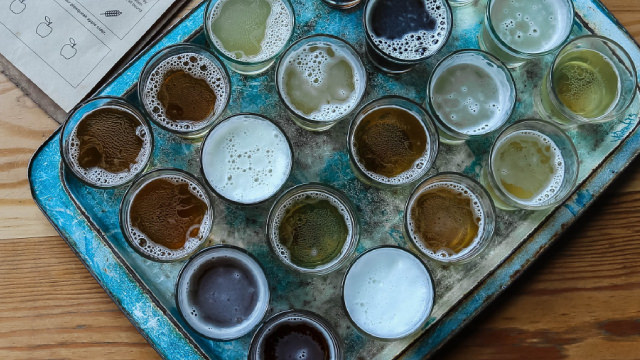
BUD vs. DEO: Which Stock Has More Spirit?
We think that Anheuser-Busch InBev stock (NYSE: BUD) is currently a better pick over its peer, Diageo stock (NYSE: DEO). BUD stock trades at 1.6x trailing revenues, versus 3.3x for DEO.
Is Anheuser-Busch InBev A Contrarian Buy Near Pandemic Bottoms?
BUD continues to face a lack of bullish support, thanks to the numerous headwinds across FX devaluation, declining alcohol volumes sold on YoY basis, and potential cancer label. The industry's secular decline may also be attributed to the growing acceptance/availability of cannabis and higher demand for zero-proof/healthier alcohol. Even so, BUD has been reporting sequentially growing volumes sold since FQ1'24, with the expanding adj EBITDA also underscoring its ongoing reversal.

AB InBev Set to Brew Pabst Beer: What Does it Mean for BUD Stock?
AB InBev partners to brew beer for Pabst in its breweries. This marks a significant step for AB InBev to integrate a former competitor into its supply chain.
Companies from Coca-Cola to Anheuser-Busch are getting in on the canned cocktail market. Here's why
Americans consumed over 62 million cases of ready-to-drink spirits in 2023, an increase of almost 25% from 2022.
AB InBev price target lowered to $63, removed as a 'Top Pick' at Morgan Stanley
Morgan Stanley analyst Sarah Simon lowered the firm's price target on AB InBev to $63 from $68.50 and keeps an Overweight rating on the shares. The firm is updating estimates to reflect the latest scanner data in European and U.S. markets, as well as latest foreign exchange rates, which it says "have both a translational and transactional impact on profitability." While the firm still sees AB InBev offering "very attractive" cash returns, growth and share price performance is likely to be second half weighted and it sees better near-term opportunities elsewhere in Beverages, so the stock was also removed as the analyst's "Top Pick" in the space.
AB InBev Trades Below 200 & 50-Day SMAs: How to Play the Stock?
BUD stock continues its downtrend due to ongoing cost headwinds. However, its focus on premiumization and the Beyond Beer portfolio offers growth potential.




