



BYD Company Limited (BYDDY)






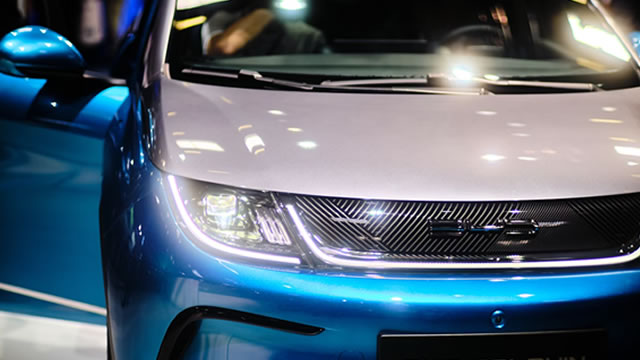
BYD's sales downturn extends to eighth straight month
Chinese electric vehicle giant BYD's vehicle sales fell for an eighth straight month, down 15.5% from a year earlier in April, extending its longest-ever sales downturn as it struggles with weak demand at home.
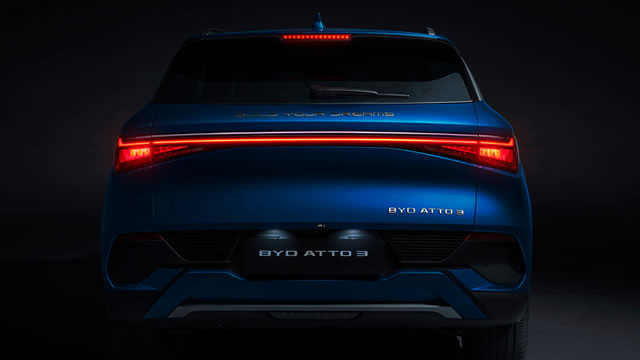
BYD draws EU scrutiny over labor abuse allegations at Hungary factory
BYD faced scrutiny in EU Parliament over alleged labor abuses at its Hungary plant. One of the contractors is a subsidiary of the same Chinese firm that was accused of subjecting workers to slave-like conditions at a BYD factory in Brazil.
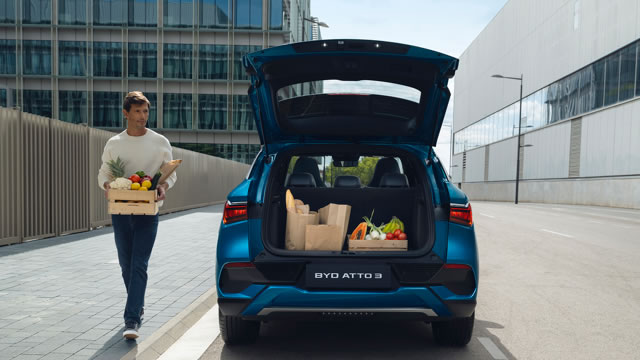
German interest in Chinese EV maker BYD jumps in Q1, data shows
Chinese car brands like BYD are gaining traction among German consumers who are increasingly looking to buy electric cars amid rising fuel prices, according to online marketplace data seen by Reuters on Thursday.
BYD: King Of EVs With Vertically Integrated Capabilities - Reiterate Buy
BYDDF's overseas expansion and increased FY2026 delivery target may offset some of the domestic demand headwinds while capitalizing on the strong export growth prospects. Their vertically integrated semiconductor, battery, and automotive capabilities also imply their ability to mitigate the higher COGS entering FY2026, aided by the diversified EV/PHEV platforms. BYDDF's valuations are still attractive at an EV/Sales of 0.96x and a 2Y PEG ratio of 0.68x, with it offering an excellent upside potential to my long-term price target of $18s.
BYD shuns price war in South Africa to build EV brand
Chinese electric vehicle maker BYD is deliberately avoiding a price war in South Africa as competition ramps up in the continent's second biggest auto market, its local managing director told Reuters on Wednesday.
BYD: Looking Forward To 2H26 Comebacks Amid New Models And Iterations
BYD's sluggish FY25 sales were mostly due to elevated competition domestically (especially for lower ASP vehicles) and lagging progress on intelligent driving. The company clearly acknowledges the laggard of intelligence in a tech-savvy market. Chances are these problems will be resolved by FY26 given its leading R&D efforts. Meanwhile, significant strides in new products in the higher-end market were made along with its strong progress in battery technology.
BYD's N8L Enters Pre-Sales With Flash Charging Capabilities
BYDDY's Denza launches N8L with flash charging, hitting 97% in 9 minutes as tech upgrades accelerate SUV push.
China Auto Sales Lose Steam in Q1, Exports Ease the Blow
China auto sales slump in Q1 as demand weakens and NEV incentives fade, but soaring exports help offset declines amid rising costs and policy shifts.
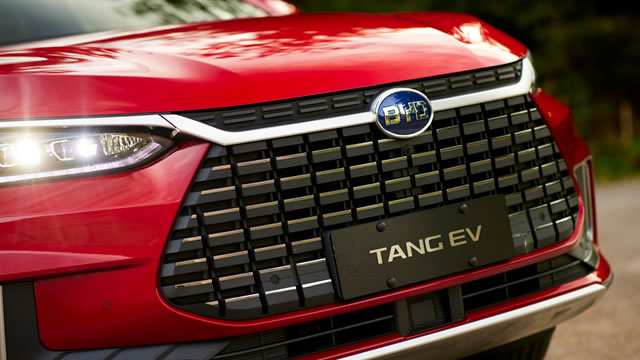
Fast food, faster charging? BYD and KFC China collaborate to offer 9-minute refueling stations
BYD announced Wednesday a partnership with KFC to develop a network of "nine-minute," one-stop drive-thru locations in China. These drive-thrus will allow users to consume meals from KFC while waiting for their EVs to charge.

BYD's sales fall for seventh month, down 20.5% in March
BYD remained under pressure as vehicle sales fell for the seventh consecutive month, reflecting intensifying competition in China's electric vehicle market. Sales dropped 20.5% year-on-year to 300,222 units last month, according to Reuters calculations based on company disclosures and a Weibo post by executive Li Yunfei.
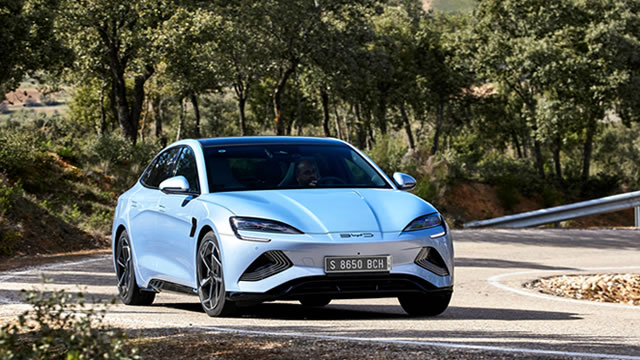
BYD Posts First Annual Profit Decline in Four Years
BYD's shares were mixed in Hong Kong and Shenzhen after the company reported weaker-than-expected results for 2025, reflecting a challenging period for the automaker.

EV race heats up as BYD lands 100K deal and Rivian surges on R2
BYD has secured a 100,000-vehicle export order from its newly operational factory in Brazil, with shipments split evenly between Argentina and Mexico, according to Executive Vice President Stella Li. Separately, Rivian shares rose Monday after TD Cowen upgraded the stock and raised its price target, as investors focused on the company's R2 mid-size SUV, which CEO RJ Scaringe has described as a “make-or-break product.




