



Carnival Corporation Ltd. (CCL)








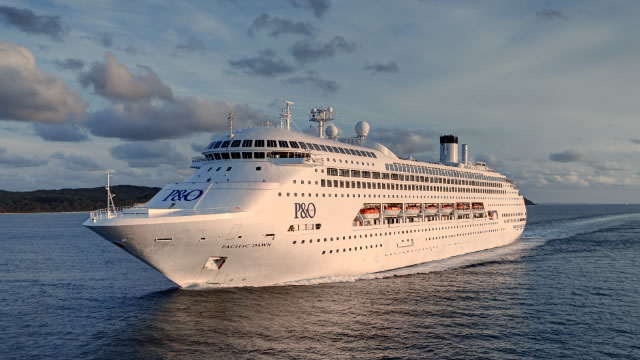
Carnival (CCL) Down 9.7% Since Last Earnings Report: Can It Rebound?
Carnival (CCL) reported earnings 30 days ago. What's next for the stock?
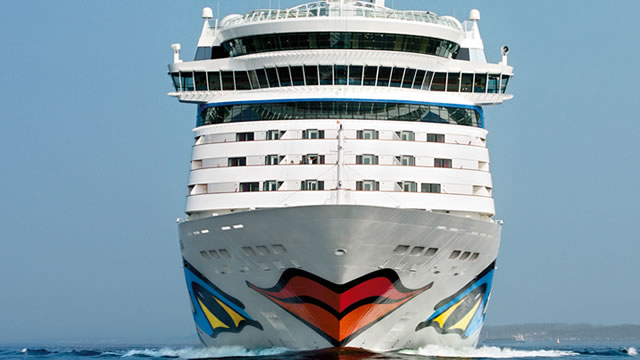
Carnival: Fuel/Demand Risks Depress Near-Term Recovery Prospects; Contrarian Buy
The fuel/demand risks have been baked into Carnival Corporation's twice-lowered FY2026 guidance, discounted valuations, and ongoing consolidation since June 2025. These risks have been well balanced by the still profitable growth guidance for FY2026, improved balance sheet health, and richer dividend yields of 2.3%. CCL's ongoing fuel efficiency gains, strong booking trends, and loyalty program support future resilience amid geopolitical/macroeconomic headwinds.

Is Carnival Rewriting the Cruise Industry's Growth Playbook?
CCL is pairing measured fleet growth with exclusive destinations and stronger bookings to build a more durable cruise growth strategy.
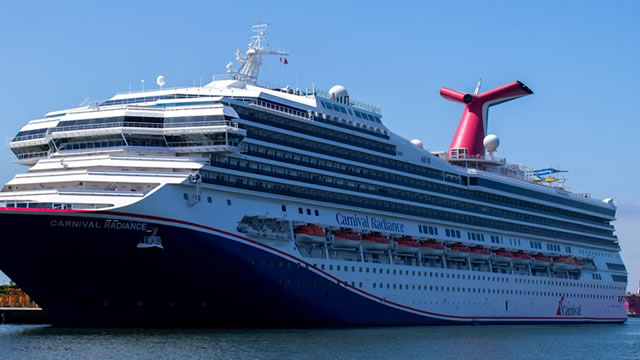
Do Options Traders Know Something About Carnival Stock We Don't?
Investors need to pay close attention to CCL stock based on the movements in the options market lately.

Is Carnival's Alaska Business Emerging as a Key Growth Driver?
CCL is expanding the Alaska business with integrated cruise and land experiences as it strengthens long-term destination growth.
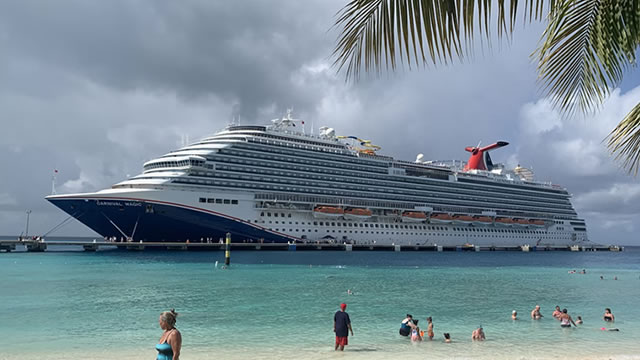
Carnival Stock Slides as Crude Surges on Renewed Iran Tensions
Carnival Corporation Ltd (NYSE:CCL) stock is off by 2.3% in electronic trading as the cost of oil continues to surge following news that President Donald Trump has ended the ceasefire with Iran.
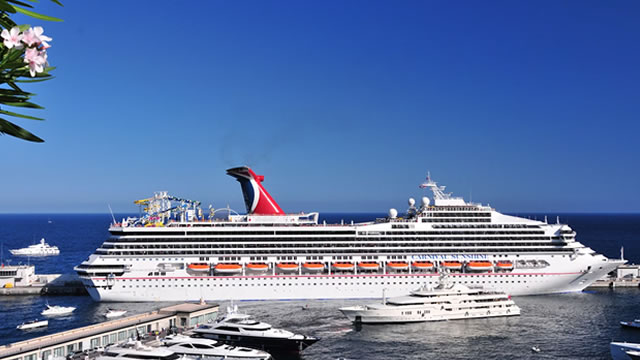
Carnival's FY27 Bookings Stay Strong: Is Europe Pressure Transitory?
CCL's FY27 bookings remain at historical highs, with strong pricing and occupancy suggesting Europe's yield pressure may prove transitory.

Carnival Cuts Costs, Protects Margins: Can It Drive More Upside?
CCL is boosting margins through cost controls, fleet investments and record bookings despite geopolitical and demand headwinds.
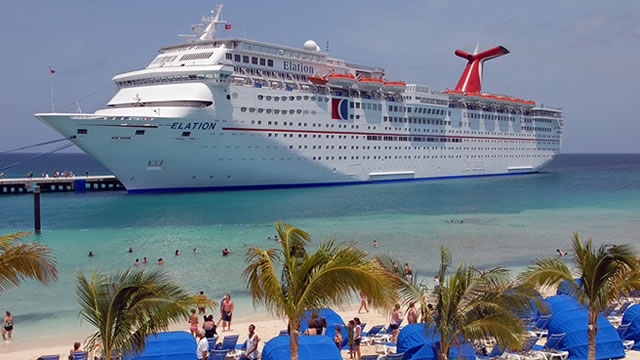
CCL Stock Gains 11% in 3 Months, Still Trails Industry: Buy or Wait?
Carnival has gained in recent months, but strong bookings, pricing and fleet investments are competing with geopolitical risks and softer European demand.
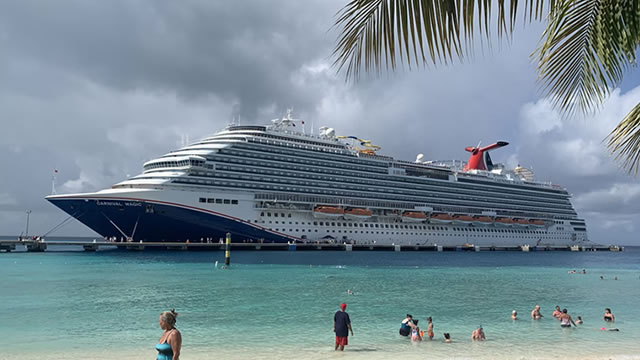
Will Carnival's New Princess Ships Strengthen Long-Term Growth?
CCL is investing in new Princess ships and fleet upgrades as it focuses on long-term growth and stronger guest experiences.

How Carnival Reveals New Profit Trends Across the Cruise Industry
CCL's profit story is shifting beyond filling ships, with longer booking curves, higher onboard spend, owned destinations and tighter capacity growth.

Is Carnival Stock Undervalued or Fairly Priced After Its Q2 Beat?
CCL's forward-sales discount looks tempting after another earnings beat, but debt, fuel, currency and cost risks keep the valuation debate balanced.




