



Costco Wholesale Corporation (COST)










Here's Why Costco (COST) is a Strong Growth Stock
Whether you're a value, growth, or momentum investor, finding strong stocks becomes easier with the Zacks Style Scores, a top feature of the Zacks Premium research service.
How Costco Stock Falls To $700?
Costco Wholesale (COST) shares have risen 16% over the past month and are presently being traded at $983.25.
Costco (COST) Surpasses Market Returns: Some Facts Worth Knowing
Costco (COST) concluded the recent trading session at $982.86, signifying a +1.93% move from its prior day's close.
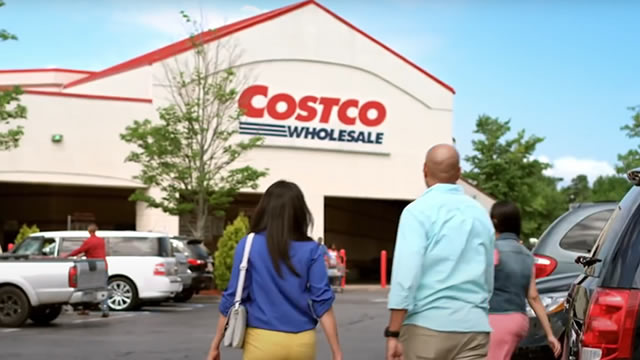
Costco's Warehouse Expansion Strategy Fuels Long-Term Growth
COST's warehouse expansion, faster new-store ramp-ups and creative site reuse signal long-term growth momentum.
Costco Stock Rallies on December Sales: Buy, Hold or Take Profits?
Costco Wholesale Corporation COST stock has extended its recent rally after the retailer reported strong December sales. As a dominant player in the warehouse club space, Costco continues to benefit from a resilient membership-driven model, steady traffic trends and improving digital demand.
Can Costco Stock Reach $1,000 in 2026?
Costco's consistent same-store sales and earnings growth provide a powerful tailwind for shareholders. If a severe recession shows up in the near term, it could certainly impact the company's financial performance.
Costco Finally Breaks Out: Is There Still Time to Buy?
A sleeping giant might finally be awaking after spending nearly a full year repeatedly hitting the snooze button. Shares of Costco Wholesale Corp. NASDAQ: COST began 2026 with a quick 10% gain on the back of stellar December sales data and technical signals pointing toward a bullish breakout.

Best Stock to Buy Right Now: Costco vs. Home Depot
Costco's impressive track record of growing same-store sales indicates just how much its customers value what it offers. Home Depot operates in a massive industry, but its financial results are sensitive to macro forces.
Costco (COST) Exceeds Market Returns: Some Facts to Consider
Costco (COST) closed the most recent trading day at $924.88, moving +1.05% from the previous trading session.
How Retailer Costco Can Drop
Costco Wholesale (COST) is encountering challenges, reminding investors that even the strongest retailers are not immune to market pullbacks. With the stock trading near historically elevated valuation levels after years of outperformance, expectations remain high—and that leaves little room for disappointment.
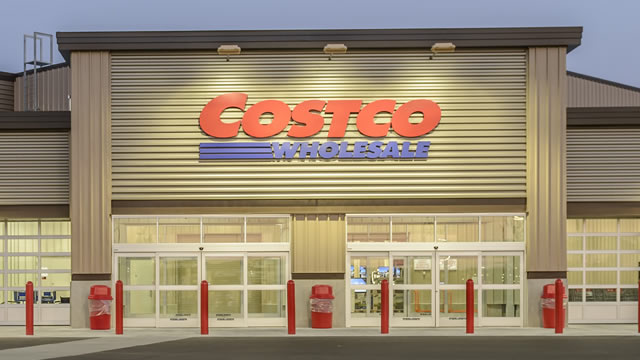
Costco's International Markets Drive the Next Phase of Growth
COST's international segments now outpace U.S. growth, powering a global push in sales and warehouse expansion.
Why Costco (COST) is a Top Momentum Stock for the Long-Term
The Zacks Style Scores offers investors a way to easily find top-rated stocks based on their investing style. Here's why you should take advantage.




