



Delta Air Lines, Inc. (DAL)











Will Delta (DAL) Beat Estimates Again in Its Next Earnings Report?
Delta (DAL) has an impressive earnings surprise history and currently possesses the right combination of the two key ingredients for a likely beat in its next quarterly report.

Delta Air Lines (DAL) Stock Declines While Market Improves: Some Information for Investors
In the most recent trading session, Delta Air Lines (DAL) closed at $56.75, indicating a -1.58% shift from the previous trading day.

Delta (DAL) Upgraded to Buy: What Does It Mean for the Stock?
Delta (DAL) might move higher on growing optimism about its earnings prospects, which is reflected by its upgrade to a Zacks Rank #2 (Buy).

Is Delta Air Lines (DAL) Stock Undervalued Right Now?
Here at Zacks, our focus is on the proven Zacks Rank system, which emphasizes earnings estimates and estimate revisions to find great stocks. Nevertheless, we are always paying attention to the latest value, growth, and momentum trends to underscore strong picks.
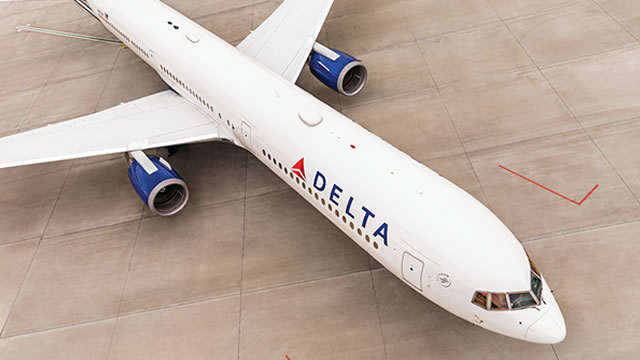
Delta Air Lines Is Set To Soar Into A Second Century Of Flight
Delta Air Lines celebrates 100 years, evolving from a regional crop-duster to the world's largest airline by revenue. DAL's strategy centers on dominant hubs, premium service, industry-leading operational performance, and high-margin non-transportation revenue streams, including its Amex partnership. Fleet modernization, disciplined financial management, and strategic global partnerships position DAL for continued profitability and resilience amid industry volatility and competitor misfortunes.

Delta Air Lines (DAL) Ascends While Market Falls: Some Facts to Note
In the latest trading session, Delta Air Lines (DAL) closed at $58.82, marking a +1.66% move from the previous day.

Delta Air Lines: Don't Run Away Now
Delta Air Lines, Inc. remains an ultra-bullish opportunity, with catalysts for consistent growth and undervalued shares despite recent volatility. The airline is executing a premium upsell strategy, boosting loyalty and premium revenues while maintaining strong free cash flow and manageable debt. Management targets 10% EPS growth and mid-teens operating margins, with potential for aggressive share buybacks as financial flexibility improves.

Delta Air Lines, Inc. (DAL) Presents At Morgan Stanley's 13th Annual Laguna Conference Transcript
Delta Air Lines, Inc. (NYSE:DAL ) Morgan Stanley's 13th Annual Laguna Conference September 11, 2025 10:45 AM EDT Company Participants Julie Stewart - Vice President of Investor Relations Glen W. Hauenstein - President Daniel Janki - Executive VP & CFO Conference Call Participants Ravi Shanker - Morgan Stanley, Research Division Presentation Ravi Shanker MD & Lead Analyst Great.
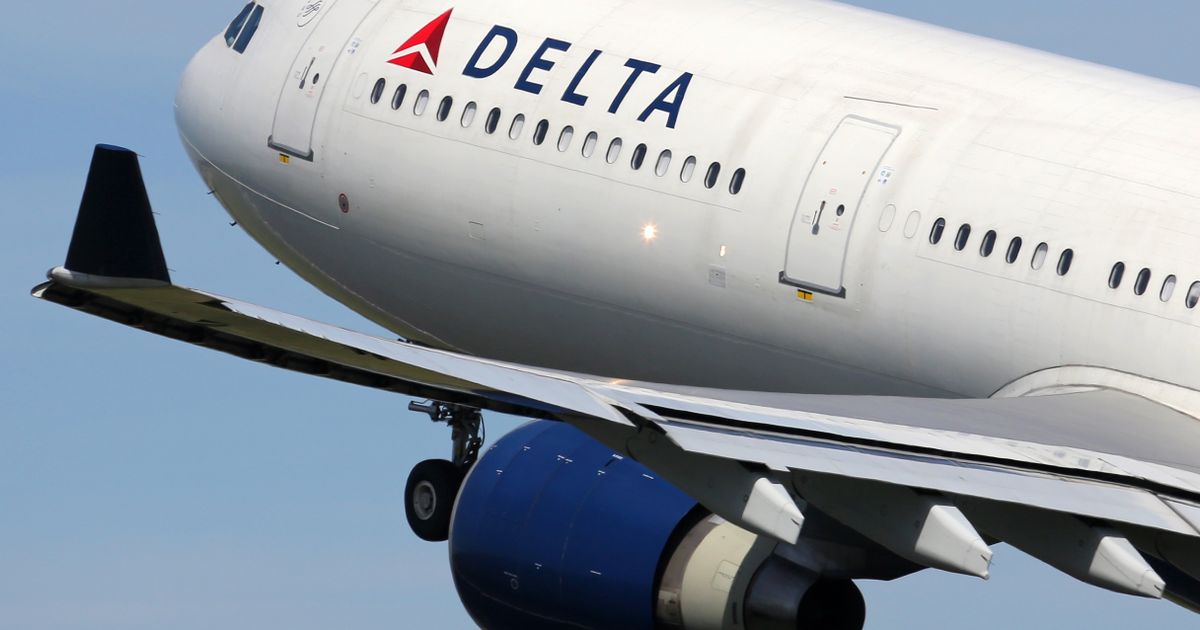
Delta Air Lines stock falls on growth outlook
Delta Air Lines Inc (NYSE:DAL) shares dipped more than 4% to $58.71 in midday trading on Thursday after the air carrier said its third-quarter revenue is projected to increase 2% to 4% year over year compared with its previous forecast of flat to up 4%. Analysts expected 2.3% growth on average, according to data compiled by Bloomberg.
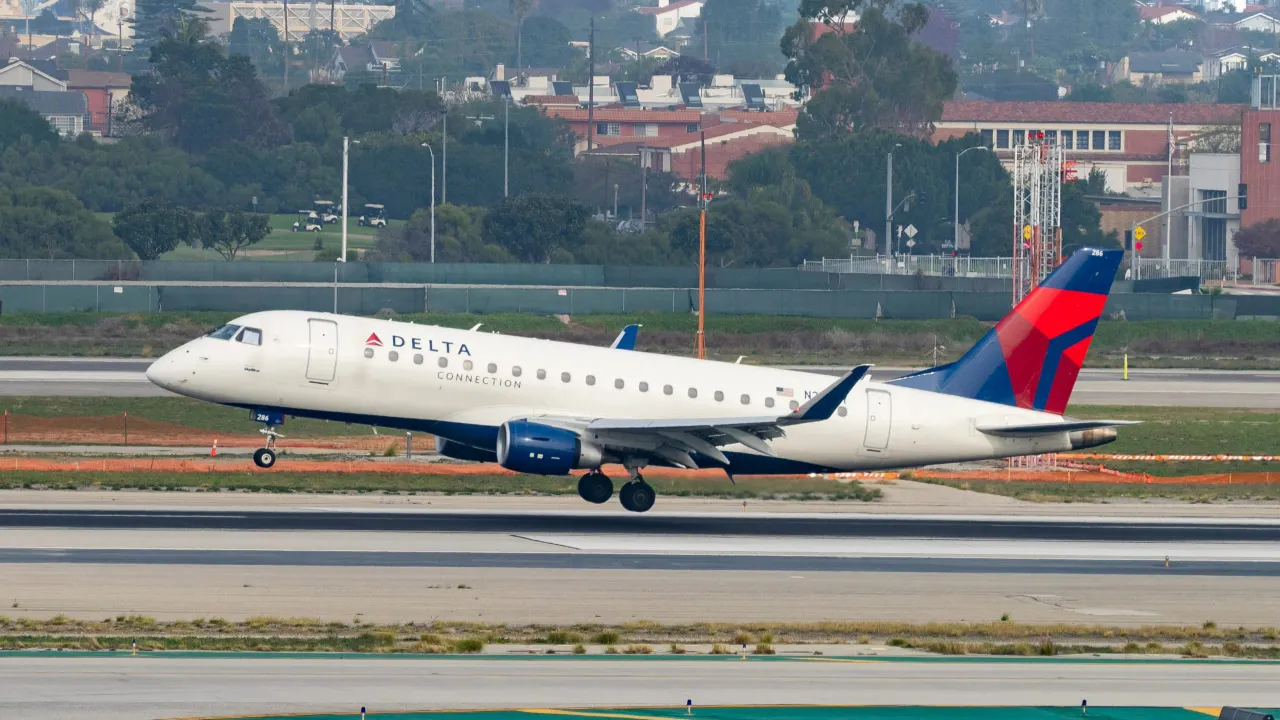
Delta Air Lines is ending service to Southwest city
Delta Air Lines will discontinue service between Austin-Bergstrom International Airport and Midland, Texas, as part of the carrier's ongoing schedule adjustments.
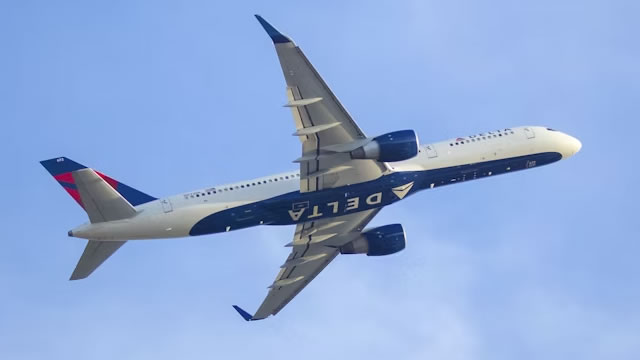
Delta will payout $79M to settle lawsuit after jetliner dumped fuel on schools
The Delta jet had departed from Los Angeles to Shanghai on Jan. 14, 2020, when it needed to quickly return to Los Angeles International Airport.

Delta Air Lines (DAL) Beats Stock Market Upswing: What Investors Need to Know
Delta Air Lines (DAL) concluded the recent trading session at $62, signifying a +1.2% move from its prior day's close.




